
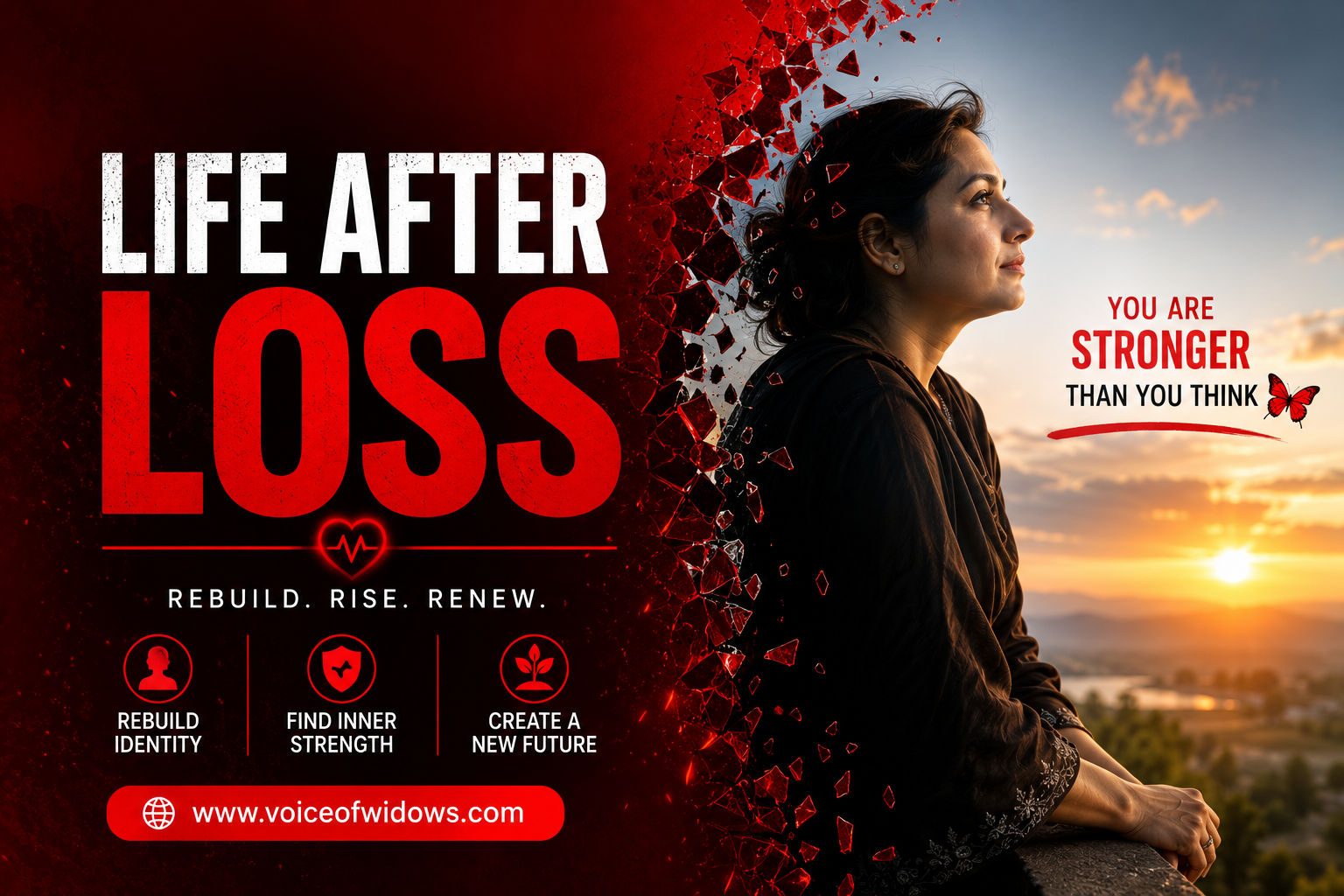
Introduction: When Life Changes Without Warning Becoming a widow is not just a change in relationship status. It is a profound shift in identity, emotional stability, financial structure, and the way the world is experienced daily. Many women describe it as standing in a life that still looks familiar, but no longer feels like their own. The question is not only “how do widows move forward,” but also “how do they begin again when everything feels paused?” There is no single roadmap. But there is a process of rebuilding that is real, human, and possible. Understanding the Emotional Reality of Loss Grief is not linear. It does not follow a schedule or behave predictably. For widows, it often comes in waves—sometimes quiet, sometimes overwhelming. Common emotional experiences include: Deep loneliness even in crowded spaces Loss of shared identity and daily routines Guilt about moments of peace or laughter Fear of an unknown future Emotional numbness followed by intense sadness These reactions are not signs of weakness. They are natural responses to attachment and loss. Healing does not mean forgetting. It means learning how to carry memory without being trapped by it. The First Step Forward: Stabilizing Daily Life Before emotional rebuilding begins, life often requires structure. Simple stabilizing actions include: Creating a consistent daily routine Managing essential financial and legal matters gradually Maintaining basic health habits like sleep, meals, and hydration Staying connected to at least one trusted person regularly These steps may feel small, but they create psychological grounding. Stability is the foundation on which emotional recovery is built. Rebuilding Identity Beyond the Role of “Wife” One of the most difficult transitions is identity loss. For many years, life may have been shaped around partnership, shared decisions, and mutual roles. After loss, that identity feels disrupted. Rebuilding identity can include: Reconnecting with personal interests that were paused Exploring new skills or learning paths Rediscovering social circles and friendships Allowing personal desires and goals to re-emerge This stage is not about replacing what was lost. It is about expanding who you are beyond what was once shared. The Role of Emotional Expression in Healing Suppressing grief often delays recovery. Emotional expression is not a sign of breaking down; it is a sign of processing. Healthy emotional outlets include: Journaling thoughts without judgment Speaking with grief counselors or support groups Creative expression such as writing, art, or music Honest conversations with trusted people Healing happens when emotions are acknowledged, not avoided. Facing Loneliness Without Letting It Define You Loneliness after loss is not just about absence of people—it is about absence of connection, rhythm, and shared meaning. Ways to gently rebuild connection include: Joining community or interest-based groups Volunteering or participating in social causes Re-establishing friendships without pressure or expectations Creating small daily moments of interaction Connection does not replace loss, but it softens isolation. Financial and Practical Independence After Loss For many widows, financial uncertainty adds another layer of stress. Addressing it step-by-step reduces anxiety and increases control. Practical steps may include: Reviewing financial accounts and documentation Seeking professional financial advice if needed Exploring sustainable income opportunities or skills training Planning long-term financial security gradually Clarity in practical matters often supports emotional clarity as well. When the Future Feels Empty One of the hardest parts of widowhood is imagining a future that no longer includes shared dreams. But future-building does not require forgetting the past. It requires redefining it. A meaningful future may begin with: Small personal goals instead of long-term pressure Travel, learning, or lifestyle changes that feel authentic Reclaiming independence in decision-making Allowing joy to return without guilt Hope does not appear all at once. It grows slowly through lived experience. Moving Forward Is Not Moving On There is a misunderstanding that healing means “moving on.” In reality, widows do not move on from love—they move forward with memory. Moving forward means: Carrying love without being defined only by loss Accepting change without denying the past Rebuilding life while honoring what existed Allowing both grief and growth to coexist This is not about closure. It is about continuation in a different form. Conclusion: A Life That Still Belongs to You Widowhood changes everything, but it does not end identity, purpose, or possibility. Life after loss is not a replacement life—it is a reconstructed one. The process is not fast. It is not simple. But it is real. And step by step, life begins to open again in ways that are not about forgetting, but about becoming whole in a new way.

The Journey Within: A Powerful Guide to Emotional Healing and True Self-Acceptance
In a world that constantly pushes us to achieve, compare, and compete, many silently struggle with emotional wounds that never truly heal. Emotional healing and self-acceptance are not luxuries—they are necessities for living a meaningful, peaceful, and fulfilled life. Yet, too many people delay this inner work, thinking time alone will mend what’s broken. The truth is, healing is a choice—one that requires courage, awareness, and compassion. Understanding Emotional Healing Emotional healing is the process of identifying, understanding, and transforming the pain that has shaped your thoughts, behaviors, and relationships. It’s not about forgetting or ignoring what hurt you—it’s about learning to hold that pain differently. Healing invites you to stop running from your emotions and instead listen to what they’re trying to tell you. Every heartbreak, betrayal, and disappointment leaves an imprint. When unhealed, these emotional scars quietly dictate our choices, keeping us stuck in cycles of fear, guilt, and self-doubt. But when acknowledged, they become the foundation for strength, wisdom, and deeper empathy. The Role of Self-Acceptance in Healing You cannot truly heal if you do not accept yourself as you are—flaws, failures, and all. Self-acceptance means recognizing your worth without conditions. It means no longer waiting for someone else’s approval to feel enough. The most profound healing begins the moment you look at yourself in the mirror and say, “I am still deserving of love, even with my imperfections.” We live in an era that glorifies perfection. Social media filters, external validation, and unrealistic standards have made many feel inadequate. But real power lies in authenticity. When you stop pretending and start embracing your truth, you create space for transformation. You begin to live, not perform. Steps Toward Emotional Healing and Self-Acceptance Acknowledge Your Pain: Healing starts with honesty. Allow yourself to feel. Avoiding emotions only buries them deeper. Forgive Yourself and Others: Forgiveness isn’t about approval—it’s about liberation. Release the burden of resentment. Practice Mindful Awareness: Be present with your emotions without judgment. Awareness transforms pain into purpose. Seek Support: Healing is not a solo journey. Speak to a therapist, join a community, or confide in a trusted friend. Rebuild with Compassion: Treat yourself like someone you love. Every small act of kindness toward yourself builds strength. Let Go of Comparison: Your journey is uniquely yours. Measuring it against others only steals your peace. Celebrate Growth: Every step forward—no matter how small—is progress. Acknowledge it, and keep moving. Why You Must Begin Now Time does not heal wounds—intention does. Every day you delay your healing, you carry old pain into new moments. Emotional baggage weighs down your joy, blocks your creativity, and limits your potential. You deserve freedom. You deserve peace. You deserve to feel whole again. Don’t wait for a crisis to begin your healing. The right time is now. Start today—write that journal entry, have that hard conversation, forgive that version of yourself, and take one small, conscious step toward peace. The world doesn’t need a perfect you—it needs the real, healed you. Final Thoughts Healing is not linear. There will be setbacks, and there will be moments of doubt. But each time you choose to keep going, you reclaim your power. Emotional healing and self-acceptance are not destinations—they are daily practices that lead to profound inner peace and strength. Remember: You are not your past. You are not your mistakes. You are the author of your own rebirth. Start your journey within today—because healing yourself is the most revolutionary act of love you can ever commit to.
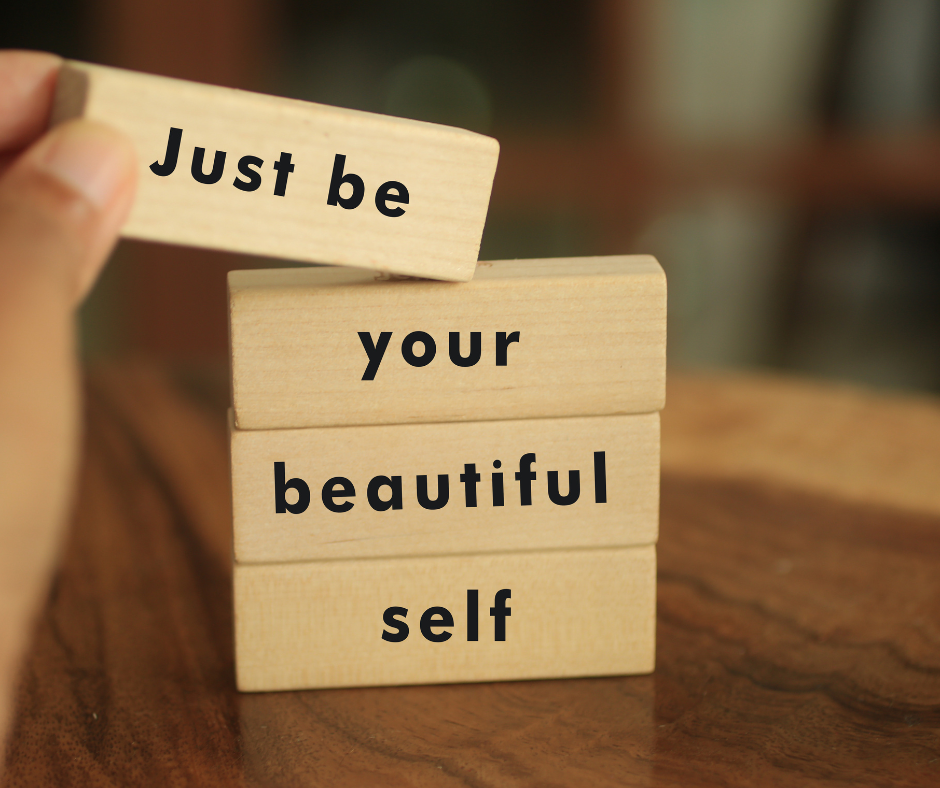
Uncovering the Wholeness Within: The Journey Back to Your True Self
In the rush of modern life, we often forget the simplest truth — we are already whole. Yet every day, society, expectations, and constant comparison chip away at our inner peace. We spend years chasing validation, success, or acceptance, believing these will complete us. But true wholeness doesn’t come from external achievements — it comes from rediscovering the balance that already exists within. Uncovering the wholeness within is not a luxury; it’s a necessity. It’s the foundation of purpose, resilience, and clarity — the very essence of a fulfilled life. The Silent Struggle: A World That Demands More but Gives Less We live in an age where productivity is mistaken for worth. People wear exhaustion like a badge of honor. But beneath the surface lies quiet desperation — a longing to be seen, heard, and understood. We fill the emptiness with distractions, scrolling endlessly, chasing fleeting happiness that never truly satisfies. The truth is, you don’t need more to become whole. You need less noise, less chaos, and more connection — to yourself. The Power of Stillness Wholeness begins when you stop running. When you pause long enough to listen to your own voice — the one that has been drowned out by external demands. Meditation, reflection, prayer, or even a quiet walk in nature can awaken this forgotten connection. In stillness, we remember who we are beyond our roles and responsibilities. Stillness is not weakness; it’s power. It’s in silence that the mind resets, the soul breathes, and clarity returns. Healing the Divide Within Most people live split lives — one face for the world and another hidden within. The gap between who we are and who we pretend to be is the root of our suffering. Healing begins when we accept every part of ourselves — the light and the shadow, the strength and the fear. You cannot reject your wounds and expect to feel whole. Acceptance transforms pain into wisdom. It’s about embracing the totality of your being, with compassion and courage. Reconnecting Purpose and Presence Wholeness is not about perfection; it’s about alignment. When your actions, thoughts, and values move in the same direction, you experience true peace. That alignment gives rise to purpose — a reason to wake up every morning knowing you are contributing to something greater than yourself. Ask yourself: What do I truly value? Am I living in harmony with those values? When you live in alignment, even challenges become lessons, not obstacles. The Urgency to Return to Yourself Now is the time to stop waiting for “someday.” The world needs grounded, self-aware individuals — people who lead with integrity, empathy, and purpose. You cannot pour from an empty cup, and the world cannot heal when its people are fragmented. Uncovering your wholeness is not just self-care — it’s a service to humanity. When you rise in consciousness, you lift others too. Every moment you delay rediscovering your wholeness, you deny yourself the peace you deserve and the world the strength it needs. Take Action Today Pause. Reflect. Heal. Ask yourself: What am I running from? What part of myself have I neglected? Start small — but start now. Reclaim your voice. Rebuild your balance. Redefine your worth. Because within you lies everything you’ve ever been searching for. The time to uncover the wholeness within is now.