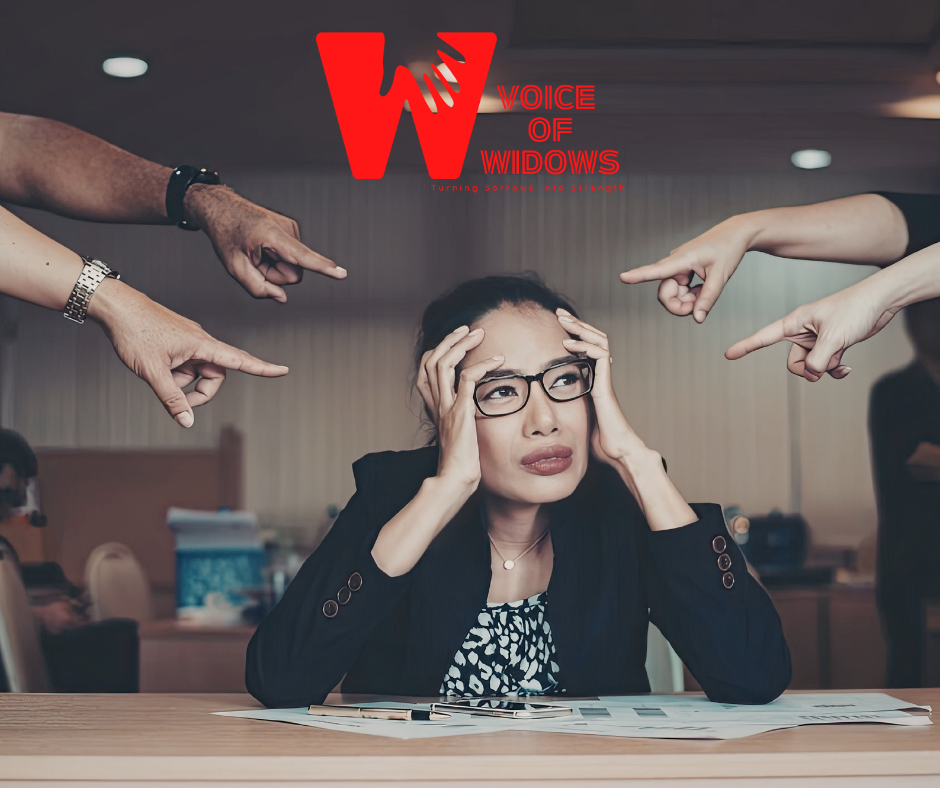
Leadership looks powerful from the outside. A confident voice in meetings. Decisions that shape companies, teams, and futures. But behind every leadership title lies something many people rarely talk about openly: pressure that never seems to stop. Deadlines, financial risks, employee expectations, public reputation, and the constant demand to perform at the highest level.
Now a question that has sparked debate in workplaces, boardrooms, and research studies around the world: do men and women leaders handle stress differently?
This is not just a curiosity. Understanding how stress affects leaders can change the way companies build stronger teams, prevent burnout, and create better decision-making environments. If organizations ignore this conversation, they risk losing talented leaders who are overwhelmed, unsupported, or misunderstood.
This article explores the psychology, science, workplace behavior, and emotional reality behind how stress impacts male and female leaders, and what it means for the future of leadership.
The reality of leadership stress
Before comparing men and women leaders, it is important to understand what leadership stress actually looks like.
Leadership stress is not just about long hours. It includes:
Constant decision pressure
Responsibility for other people’s livelihoods
Public accountability
Financial risks
Conflict management
Organizational uncertainty
High expectations from stakeholders
Fear of failure or reputation damage
Leaders operate under psychological pressure that often goes unseen.
Studies in organizational psychology show that prolonged leadership stress can lead to:
Burnout
Reduced decision quality
Emotional exhaustion
Loss of creativity
Team disengagement
Health problems
When leaders struggle silently, entire organizations can feel the impact.
This is why understanding how different leaders respond to stress is so important.
The core question: do men and women experience stress differently in leadership?
Research suggests something interesting: men and women do not necessarily experience more or less stress than each other, but they often respond to it differently.
This difference is shaped by several factors:
Social conditioning
Leadership expectations
Communication styles
Workplace bias
Emotional intelligence patterns
Coping mechanisms
It is important to emphasize that these are trends, not strict rules. Every leader is unique. However, patterns observed across many workplaces reveal valuable insights.
How many male leaders typically respond to stress
Many male leaders are often socially conditioned to present strength, control, and decisiveness under pressure. Because of this expectation, they may respond to stress in ways such as:
Internalizing pressure instead of expressing it
Focusing on problem-solving quickly
Avoiding conversations about emotional strain
Working longer hours to regain control
Taking more direct action-oriented decisions
This approach can be powerful during crises. Quick decisions can save companies.
However, there is a hidden risk.
When stress is constantly suppressed instead of processed, it can accumulate silently.
Over time, this may lead to:
Higher burnout risk
Reduced emotional awareness in teams
Communication breakdowns
Stress-related health issues
Many organizations are beginning to realize that encouraging emotional openness among male leaders is not weakness. It is a leadership strength.
How many female leaders often handle stress
Research frequently shows that many women leaders approach stress through a more collaborative and emotionally aware lens.
This often includes:
Talking through challenges with teams
Seeking support networks
Considering multiple perspectives before acting
Balancing emotional and strategic thinking
Building strong communication channels
In many modern organizations, this leadership style has become extremely valuable.
Teams often report feeling more psychologically safe when leaders communicate openly during stressful periods.
However, women leaders face a unique challenge that cannot be ignored.
They often deal with additional stress layers that male leaders may not experience as strongly.
These include:
Gender bias in leadership evaluation
Higher scrutiny from colleagues or stakeholders
Pressure to prove competence repeatedly
Work-life balance expectations from society
Underrepresentation in top executive roles
Because of this, many women leaders develop strong resilience and adaptive stress management skills over time.
But the cost can still be significant if organizations fail to provide support.
The hidden stress gap in leadership
One of the most important findings in leadership research is that women leaders often face higher emotional labor in the workplace.
Emotional labor includes:
Managing team morale
Resolving conflicts
Supporting employee well-being
Maintaining harmony in teams
Handling sensitive communication
While this strengthens leadership effectiveness, it also increases mental load.
Meanwhile, many male leaders are often expected to handle high-stakes decisions, financial risks, and crisis leadership pressure.
Both experiences create different types of stress.
This means the conversation is not about who is stronger under pressure.
The real issue is understanding different stress patterns so organizations can support leaders better.
What modern research is revealing about stress and leadership
Recent workplace and leadership studies highlight several important insights:
Organizations with emotionally intelligent leadership perform better long term
Teams trust leaders who communicate during stressful periods
Stress management directly affects company culture
Leadership burnout can reduce innovation and productivity
Companies that support leaders psychologically retain talent longer
One major shift happening in global workplaces is the move toward human-centered leadership.
This leadership approach values:
Empathy
Communication
Resilience
Adaptability
Emotional awareness
Interestingly, many organizations are now recognizing that diverse leadership styles improve performance.
Why this conversation matters right now
The workplace has changed dramatically.
Remote work
Economic uncertainty
Rapid technological changes
Employee expectations shifting
Mental health awareness growing
These factors have increased stress levels for leaders everywhere.
Companies that fail to address leadership stress risk serious consequences:
High leadership turnover
Poor strategic decisions
Toxic workplace culture
Employee burnout across teams
Understanding how different leaders handle pressure is no longer optional. It is a competitive advantage.
The most effective stress management strategies used by successful leaders
Whether male or female, the most successful leaders today are not the ones who ignore stress. They are the ones who manage it wisely.
Here are powerful strategies modern leaders use:
Building trusted leadership circles
Practicing transparent communication
Creating decision-making frameworks
Setting boundaries to prevent burnout
Developing emotional intelligence
Encouraging feedback within teams
Investing in mental resilience
One of the most effective changes organizations are making is normalizing conversations about leadership stress.
When leaders can talk about pressure openly, teams become stronger.
The future of leadership: moving beyond stereotypes
The biggest mistake organizations can make is oversimplifying leadership into gender stereotypes.
Leadership effectiveness is not about whether someone is male or female.
It is about:
Self-awareness
Emotional strength
Strategic thinking
Resilience
Communication
Adaptability under pressure
The future belongs to leaders who combine analytical thinking with emotional intelligence.
Companies that recognize and support this will outperform others.
A powerful truth organizations must face
There is a silent crisis happening in leadership across the world.
Many leaders are overwhelmed but do not speak about it.
Some fear appearing weak.
Some feel they must always have answers.
Some carry pressure alone for years.
This is dangerous for individuals and organizations alike.
If companies truly want sustainable growth, they must start asking a serious question:
Are we supporting our leaders enough when stress becomes overwhelming?
Because the truth is simple.
Strong leaders are not the ones who never feel pressure.
Strong leaders are the ones who learn how to handle it, adapt, and lead others through it.
Final thought: the leadership shift that is already happening
A new generation of leadership is emerging.
Leaders who understand people, not just profits.
Leaders who communicate during crises instead of disappearing.
Leaders who manage stress instead of hiding it.
Organizations that embrace this shift will build stronger, healthier, and more resilient teams.
And those who ignore it may struggle to keep their best leaders.
The question is no longer whether men or women handle stress differently.
The real question is whether organizations are ready to support all leaders in handling it better.