
The world has overlooked one of its most powerful forces for change—and it’s time that ends now.
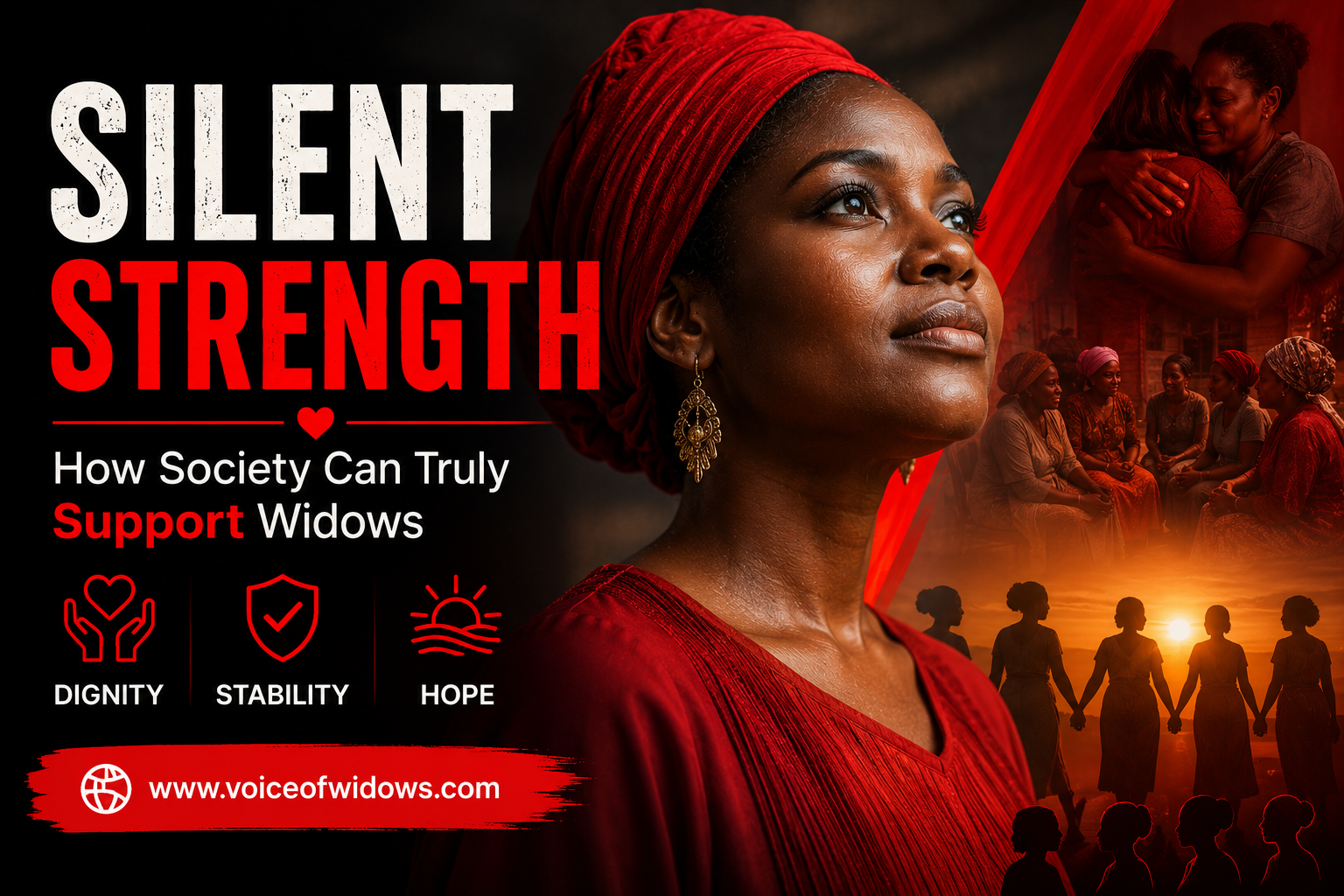
Across continents, millions of widows are living at the intersection of loss, resilience, and untapped leadership. They are often pushed into silence, stripped of financial stability, and excluded from decision-making spaces. But here is the truth most systems ignore: when widows rise, entire communities rise with them.
This is not a social issue alone. It is an economic, cultural, and global development opportunity hiding in plain sight.
The hidden strength the world keeps ignoring
Widows are not weak. They are survivors of emotional, financial, and social disruption. They rebuild families under pressure. They manage households without support. They navigate systems that were never designed for them.
That resilience is not just survival—it is leadership in its rawest form.
Yet, in many societies, widows face:
- Financial exclusion
- Property and inheritance injustice
- Social stigma and isolation
- Limited access to education or employment
This systemic neglect doesn’t just harm individuals—it suppresses economic growth and social progress.
Ignoring widows is not just unfair. It is inefficient.
Why empowering widows changes everything
When widows are given access to education, financial tools, and leadership opportunities, the ripple effect is immediate and measurable.
1. Economic acceleration
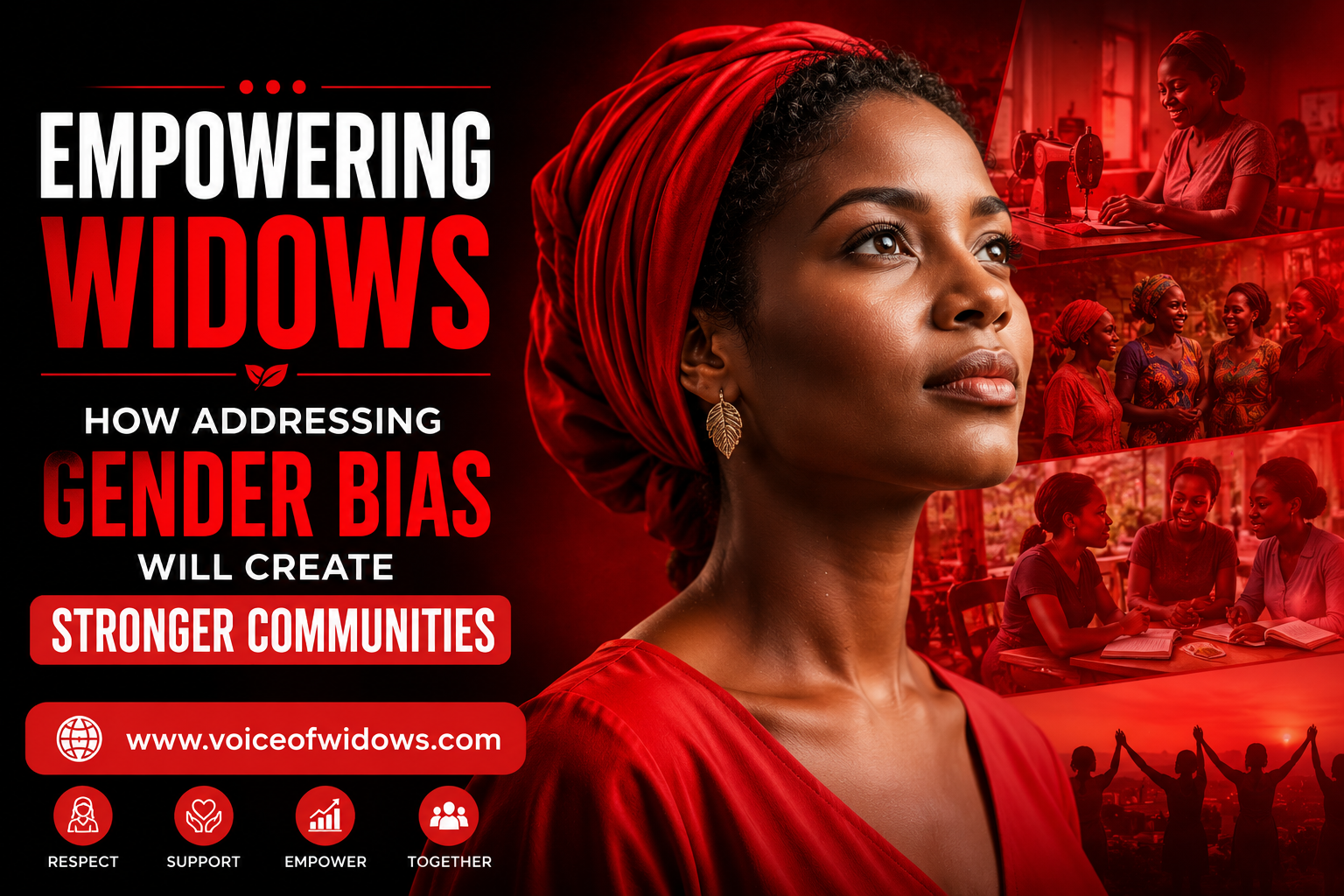
Empowered widows start businesses, join the workforce, and reinvest in their families. This drives local economies and reduces poverty cycles.
2. Stronger families
Children of empowered widows are more likely to stay in school, receive proper healthcare, and break generational hardship.
3. Community stability
Widows often become community anchors—mentors, organizers, and advocates for change.
4. Leadership diversity
Their lived experiences bring practical, resilient leadership into systems that desperately need it.
This is not theory. It is happening wherever support systems exist.
The cost of inaction is higher than you think
Every day widows remain unsupported:
- Talent is wasted
- Families fall deeper into poverty
- Communities lose potential leaders
- Economies miss growth opportunities
The question is no longer “Should we help?”
The real question is “Why haven’t we acted faster?”
From empowerment to leadership: what actually works
Empowerment is not a slogan. It requires structured action.
Access to financial independence
Microfinance, skill training, and entrepreneurship programs allow widows to rebuild income streams quickly.
Education and digital literacy
Knowledge is leverage. Teaching widows modern skills connects them to global opportunities.
Legal protection and rights awareness
Ensuring widows can claim inheritance, property, and legal rights changes their long-term stability.
Community integration
Support networks reduce isolation and create collaboration-driven growth.
Leadership platforms
Giving widows a voice in decision-making spaces transforms them from participants into policymakers.
The mindset shift the world needs
The biggest barrier is not resources. It is perception.
Widows are too often seen as recipients of aid instead of drivers of change.
That narrative must be rewritten—urgently.
They are not a burden.
They are a breakthrough waiting to happen.
What you can do right now
Change does not require governments alone. It starts with individuals, organizations, and platforms.
- Support widow-led businesses
- Fund education and training programs
- Amplify their voices and stories
- Create opportunities, not just awareness
- Collaborate with organizations working on widow empowerment
Every action compounds. Every effort matters.
The future is already taking shape
In places where widows are empowered, the results are undeniable:
- Increased household incomes
- Better education outcomes for children
- Stronger, more resilient communities
- Emerging female leadership
This is not a distant vision. It is a scalable reality.
Final thought: this is bigger than a cause
Empowering widows is not about sympathy.
It is about strategy, impact, and transformation.
The world is searching for sustainable solutions to poverty, inequality, and leadership gaps.
Widows are part of that solution.
Not tomorrow.
Now.