

Introduction: In today’s rapidly evolving business landscape, startups have emerged as the driving force behind innovation, job creation, and economic growth. But what exactly is a startup, and how do you navigate the intricacies of launching one? Join us as we delve into the fundamentals of startups, explore the steps involved in getting one off the ground, and discuss the advantages and disadvantages they present. As the founder of BAB Group Of Companies and a firm believer in the transformative power of startups, Dr. Bilal Ahmad Bhat emphasizes their crucial role in shaping the future of economies worldwide. What Is a Startup? At its core, a startup is a fledgling business venture founded on a unique idea, product, or service with the potential for rapid growth and scalability. Unlike traditional businesses, startups are characterized by their innovative approach, disruptive nature, and quest for market dominance. They thrive on creativity, agility, and the ability to adapt swiftly to changing market dynamics. Understanding Startups: Startups operate within a dynamic ecosystem, encompassing entrepreneurs, investors, mentors, and support networks. They leverage technology, market insights, and strategic partnerships to gain a competitive edge and drive sustainable growth. However, startups also face numerous challenges, including funding constraints, market saturation, and regulatory hurdles. Success hinges on the founder’s vision, resilience, and ability to navigate these obstacles effectively. Special Considerations: Launching a startup requires careful planning, meticulous execution, and a willingness to embrace uncertainty. Entrepreneurs must assess market demand, identify target demographics, and refine their value proposition to attract customers and investors alike. Moreover, fostering a culture of innovation, collaboration, and continuous learning is essential for long-term success. Advantages and Disadvantages of Startups: While startups offer unparalleled opportunities for innovation and growth, they also entail inherent risks and uncertainties. On the one hand, startups empower entrepreneurs to pursue their passions, disrupt industries, and create meaningful impact. On the other hand, they face intense competition, financial instability, and the constant threat of failure. Balancing risk and reward is crucial for aspiring founders navigating the startup landscape. How Do You Start a Startup Company? Launching a startup begins with a compelling idea and a clear vision for the future. Entrepreneurs must conduct market research, validate their concept, and develop a robust business plan outlining their goals, strategies, and revenue model. Securing funding, building a talented team, and establishing a strong brand presence are key milestones on the path to success. Examples of Startups: From Airbnb and Uber to SpaceX and Airbnb, the startup landscape is replete with success stories that have revolutionized industries and reshaped our world. These companies started as ambitious ideas pursued by visionary founders who dared to challenge the status quo and defy conventional wisdom. Their journey serves as inspiration for aspiring entrepreneurs striving to make their mark on the world. How Do You Get a Startup Business Loan? Accessing capital is a critical aspect of startup growth and expansion. While traditional bank loans are an option, startups often seek alternative financing sources such as venture capital, angel investors, and crowdfunding platforms. Each funding avenue has its own requirements, terms, and implications, so entrepreneurs must weigh their options carefully and choose the best fit for their needs. What Are the Benefits of Working for a Startup? Joining a startup offers employees a unique opportunity to make a meaningful impact, gain valuable experience, and contribute to something greater than themselves. Startups foster a dynamic work environment, where innovation is encouraged, and individual contributions are recognized and rewarded. Additionally, employees have the chance to work closely with founders and executives, gaining insights and mentorship that can shape their career trajectory. How Do You Value a Startup Company? Valuing a startup is a complex process that involves assessing various factors, including market potential, revenue projections, intellectual property, and competitive landscape. While traditional valuation methods such as discounted cash flow analysis and comparable company analysis can provide insights, startups often require a more nuanced approach. Investors may also consider qualitative factors such as team expertise, industry trends, and potential for scalability when valuing a startup. The Bottom Line: As the founder of BAB Group Of Companies, Dr. Bilal Ahmad Bhat underscores the pivotal role of startups in driving innovation, job creation, and economic growth. By understanding the fundamentals of startups, embracing challenges, and leveraging available resources, entrepreneurs can embark on a transformative journey to build successful businesses that leave a lasting impact on society. Through initiatives like The Voice of Widows, we aim to empower aspiring founders, support startup ecosystems, and foster a culture of entrepreneurship that fuels progress and prosperity for generations to come.

Empowering Widows: The Noble Mission of The Voice of Widows
In the tapestry of society, widows often find themselves woven into a fabric of neglect and marginalization. Their voices, their rights, and their struggles are frequently overlooked. However, amidst these shadows, organizations like The Voice of Widows shine brightly, championing the cause of these resilient women and striving to uphold their rights with unwavering dedication. The Plight of Widows: A Silent Suffering Widowhood is not merely the loss of a spouse; it often signifies the beginning of a challenging journey fraught with hardships. In many cultures, widows face societal stigmatization, economic vulnerability, and legal discrimination. They may encounter barriers to inheritance, property rights, and access to essential services like healthcare and education. Moreover, the emotional toll of grief coupled with these systemic challenges can leave widows feeling isolated and powerless. Empowering Widows: The Mission of The Voice of Widows Amidst these injustices, The Voice of Widows emerges as a beacon of hope and empowerment. This organization stands firmly in solidarity with widows, striving to amplify their voices and safeguard their rights. Through advocacy, education, and community engagement, The Voice of Widows endeavors to break the chains of silence and create a world where widows are respected, supported, and empowered to lead fulfilling lives. Advocacy and Awareness: Illuminating the Path Forward Central to The Voice of Widows’ mission is advocacy—raising awareness about the challenges widows face and advocating for policy changes that protect their rights. By collaborating with policymakers, community leaders, and other stakeholders, the organization works tirelessly to dismantle discriminatory laws and practices that perpetuate the cycle of widowhood poverty and marginalization. Moreover, The Voice of Widows is committed to fostering a culture of empathy and understanding within society. Through educational initiatives and outreach programs, they seek to debunk myths surrounding widowhood and promote inclusivity and support for widows within communities. By shedding light on the often-hidden struggles of widows, they invite others to join them in their mission of compassion and solidarity. Empowerment through Education and Economic Independence Education is a powerful tool for empowerment, and The Voice of Widows recognizes its transformative potential. By providing widows with access to educational opportunities, vocational training, and entrepreneurship programs, the organization equips them with the skills and resources needed to rebuild their lives with dignity and self-sufficiency. Through initiatives that promote economic independence, widows can break free from the cycle of poverty and reclaim their agency. Building a Community of Support At the heart of The Voice of Widows lies a vibrant community of support—a place where widows can find solace, solidarity, and strength. Through support groups, counseling services, and peer mentorship programs, widows receive the emotional support they need to navigate the challenges of widowhood. By fostering connections and building networks of solidarity, The Voice of Widows creates a sense of belonging and resilience that empowers widows to face the future with courage and hope. Joining Hands for Change The journey to upholding the rights of widows is not one that can be traveled alone. It requires the collective efforts of individuals, communities, and organizations committed to justice and equality. As we stand in solidarity with widows everywhere, let us heed the call of organizations like The Voice of Widows and work together to create a world where every widow is valued, respected, and empowered to live life to its fullest. In the tapestry of humanity, the voices of widows must not be silenced. Let us join hands, lift our voices, and pave the way for a future where widows are no longer marginalized but celebrated for their strength, resilience, and unwavering spirit.

Healing, Support, and Education: Navigating the Journey of Widows and Widowers
Losing a spouse is undoubtedly one of life’s most challenging experiences. The journey of grief, healing, and adjustment that follows can be overwhelming, lonely, and often misunderstood. Widows and widowers find themselves grappling with a myriad of emotions, responsibilities, and uncertainties as they navigate through this profound loss. In such times, finding support, education, and a sense of community becomes invaluable. Understanding the Journey The experience of losing a spouse is deeply personal and unique to each individual. While some may find solace in memories and support networks, others may struggle with feelings of isolation, financial stress, or even guilt. Recognizing and validating these diverse experiences is crucial in providing effective support to widows and widowers. Healing Through Support In times of grief, having a supportive community can make a world of difference. Organizations like “The Voice of Widows” play a vital role in offering a safe space for widows and widowers to share their stories, connect with others who understand their journey, and access resources tailored to their needs. Founded on the principles of empathy, understanding, and empowerment, “The Voice of Widows” aims to be a beacon of hope for those navigating the tumultuous waters of widowhood. Through support groups, counseling services, and educational workshops, the organization strives to foster healing, resilience, and a sense of belonging among its members. Education as Empowerment In addition to emotional support, education plays a crucial role in empowering widows and widowers to rebuild their lives. From financial planning and legal matters to coping strategies for grief and self-care, access to relevant information equips individuals with the knowledge and tools needed to navigate the practical challenges of widowhood. “The Voice of Widows” recognizes the importance of education in empowering its members to make informed decisions and regain a sense of control over their lives. Through workshops, seminars, and online resources, the organization strives to provide valuable insights and practical guidance on various aspects of widowhood, ensuring that individuals feel empowered to take charge of their futures. Building a Community of Resilience Widowhood is not the end of the road but rather the beginning of a new chapter—a journey of self-discovery, growth, and resilience. By coming together, sharing experiences, and supporting one another, widows and widowers can find strength in solidarity and hope in the promise of tomorrow. As we continue to navigate the complexities of life after loss, let us remember that healing is not a solitary endeavor but a collective journey—one that is nurtured by compassion, understanding, and the unwavering support of community. Together, we can create a world where widows and widowers are not defined by their loss but empowered by their resilience, and where organizations like “The Voice of Widows” serve as beacons of light in the darkness of grief. In closing, let us embrace the power of unity, empathy, and education in transforming the journey of widowhood from one of despair to one of hope, healing, and new beginnings.
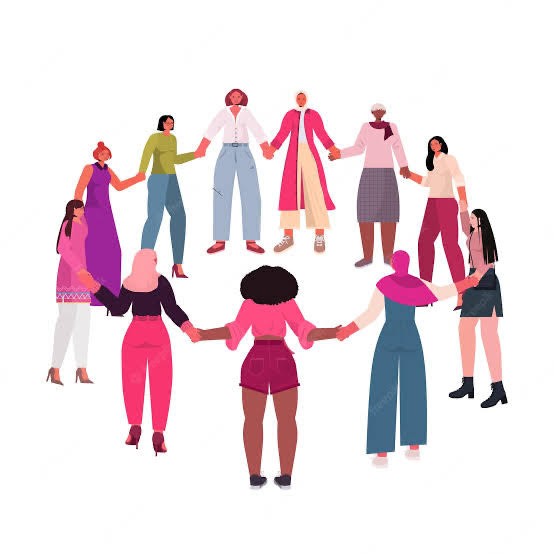
Empowering Widows: A Guide to Working with Widows More Effectively
Introduction: Widowhood is a profound experience that affects millions of women worldwide. The journey of a widow is often marked by grief, challenges, and the need for support. As an organization committed to serving widows, The Voice of Widows understands the importance of effective engagement and support for this vulnerable demographic. In this blog, we explore strategies for working with widows more effectively, highlighting the vital role organizations like ours play in empowering and uplifting widows in their time of need. Understanding the Needs of Widows: The first step in working effectively with widows is understanding their diverse needs. Widows come from varied backgrounds, cultures, and socioeconomic statuses, and their experiences of widowhood can differ significantly. Some widows may face financial insecurity, while others grapple with social isolation, mental health challenges, or legal complexities. By recognizing the unique circumstances of each widow, organizations can tailor their support services to address specific needs and promote holistic well-being. Building Empathy and Trust: Empathy forms the cornerstone of effective widow support. Widows often feel a range of emotions, including grief, loneliness, and uncertainty about the future. By demonstrating empathy and actively listening to their stories, organizations can create a safe space where widows feel understood and validated. Building trust is equally crucial, as widows may be hesitant to seek help due to fear of judgment or exploitation. Establishing trust through transparency, confidentiality, and consistent support fosters a strong foundation for meaningful engagement. Providing Practical Assistance: Practical assistance can significantly alleviate the burdens faced by widows. This may include financial aid, access to legal resources, assistance with paperwork and documentation, or help navigating social services. By offering tangible support, organizations empower widows to address immediate challenges and regain a sense of control over their lives. Additionally, providing opportunities for skill-building, vocational training, or entrepreneurship can enhance widows’ long-term economic independence and self-sufficiency. Fostering Community and Connection: Social isolation is a prevalent issue among widows, particularly those who lack familial or community support networks. Creating opportunities for widows to connect with others who share similar experiences can combat loneliness and foster a sense of belonging. This may involve organizing support groups, peer mentoring programs, or community events where widows can forge meaningful connections, exchange advice, and draw strength from one another’s resilience. Building a supportive community is instrumental in promoting emotional well-being and rebuilding social networks post-loss. Advocating for Policy and Legal Reform: Beyond individual support, organizations like The Voice of Widows play a crucial role in advocating for policy and legal reforms that protect the rights and interests of widows. This may include advocating for inheritance rights, pension benefits, access to healthcare, and measures to prevent discrimination and exploitation. By amplifying the voices of widows and collaborating with policymakers, organizations can drive systemic change and create a more equitable society for widows everywhere. Conclusion: Working with widows effectively requires a multifaceted approach that addresses their diverse needs with empathy, practical assistance, community support, and advocacy. Organizations like The Voice of Widows play a pivotal role in empowering widows, providing them with the resources, support, and solidarity they need to navigate the challenges of widowhood and rebuild their lives with dignity and resilience. By working together, we can create a world where widows are supported, valued, and empowered to thrive.

Uplifting Widows: The Resilient Voices of Change
Introduction: In the journey of life, we often encounter challenges that test our resilience and strength. For widows, the loss of a partner brings forth a unique set of difficulties, ranging from emotional upheaval to financial instability. However, amidst these trials, widows around the world are rising, empowered by their own resilience and the support of organizations like “The Voice of Widows”. In this blog, we explore the profound journey of self-empowerment among widows and the pivotal role organizations like yours play in amplifying their voices and fostering positive change. The Silent Strength of Widows: Widows, often overlooked and underestimated, possess an inherent strength that emerges from their resilience in the face of adversity. The loss of a spouse can leave them navigating through a maze of emotions – grief, loneliness, and uncertainty. Yet, within the depths of their sorrow, widows discover an inner resolve, a silent strength that propels them forward. Amidst their grief, widows often find themselves thrust into unfamiliar roles, shouldering responsibilities they never imagined. From managing households to providing for their families, they embody resilience in action. It is this resilience that forms the cornerstone of self-empowerment among widows – the ability to adapt, persevere, and thrive despite the challenges they face. The Role of Self-Empowerment: Self-empowerment among widows transcends mere survival; it encompasses a journey of reclaiming one’s identity, voice, and agency. Empowerment enables widows to recognize their inherent worth and potential, breaking free from the shackles of societal stigma and limitations. Through self-empowerment, widows embrace their autonomy, making decisions that shape their lives and futures. They seek out opportunities for personal growth, education, and skill development, reclaiming control over their destinies. Empowerment fosters a sense of liberation, allowing widows to redefine their narratives and pursue their dreams with unwavering determination. The Voice of Widows: A Beacon of Hope: In the quest for self-empowerment, organizations like “The Voice of Widows” serve as beacons of hope, offering support, resources, and a platform for widows to amplify their voices. Founded on the principles of empowerment and advocacy, your organization plays a pivotal role in championing the rights and well-being of widows worldwide. Through various initiatives such as education programs, vocational training, and community outreach, “The Voice of Widows” empowers widows to break the cycle of poverty and dependency. By providing access to essential services, legal assistance, and psychosocial support, you create a nurturing environment where widows can heal, grow, and thrive. Moreover, your organization serves as a catalyst for social change, challenging stereotypes and advocating for gender equality and widows’ rights. By raising awareness, fostering dialogue, and mobilizing communities, you pave the way for a more inclusive and equitable society where widows are valued and empowered. Conclusion: In the tapestry of human experience, widows emerge as resilient warriors, embodying the transformative power of self-empowerment. Through their strength, courage, and resilience, they defy the odds, inspiring hope and change in their communities and beyond. With organizations like “The Voice of Widows” by their side, they embark on a journey of empowerment, reclaiming their voices and rewriting their destinies. Together, let us continue to champion the cause of widows’ empowerment, ensuring that every widow finds the support, dignity, and opportunity she deserves.

Empowering Widows Through Financial Literacy: The Voice of Widows’ Mission
In many parts of the world, widows face immense challenges, from social stigmatization to economic hardship. Often left to navigate life’s complexities alone, they bear the weight of managing their households and finances without the necessary tools or knowledge. However, amidst these struggles, there shines a beacon of hope: organizations like The Voice of Widows are stepping up to empower these resilient women, particularly through initiatives aimed at educating them in personal financial planning. Financial literacy is not just about understanding numbers; it’s about gaining the confidence and skills to make informed decisions about money matters. For widows, who may suddenly find themselves solely responsible for their financial well-being, this knowledge becomes even more critical. ### Understanding the Need Widows often face unique financial challenges. They may not have been actively involved in managing household finances before their spouse’s passing, leaving them with little knowledge of budgeting, investing, or retirement planning. Moreover, cultural and social barriers can further isolate them from resources and support networks. Recognizing these challenges, The Voice of Widows has made it their mission to bridge the gap by providing comprehensive financial education tailored to the needs of widows. By understanding their specific circumstances and challenges, the organization can offer targeted support that empowers widows to take control of their financial futures. ### The Power of Education Financial education equips widows with the tools and knowledge they need to make sound financial decisions. From budgeting and debt management to savings and investments, these skills empower widows to build a secure financial foundation for themselves and their families. Through workshops, seminars, and one-on-one coaching sessions, The Voice of Widows provides practical guidance on topics such as: – Creating a budget: Learning to track income and expenses, prioritize spending, and plan for future financial goals. – Managing debt: Understanding different types of debt, strategies for debt repayment, and avoiding debt traps. – Saving and investing: Building emergency funds, understanding investment options, and planning for retirement. – Estate planning: Securing assets, creating wills, and ensuring financial stability for future generations. ### Building Community and Support Beyond the practical aspects of financial education, The Voice of Widows fosters a sense of community and support among widows. Through peer mentorship programs and support groups, widows can connect with others who understand their experiences and challenges. This sense of solidarity not only provides emotional support but also encourages widows to share knowledge and resources, further strengthening their financial literacy and resilience. ### Empowering Widows, Transforming Lives Empowering widows through financial education is about more than just improving their economic circumstances; it’s about restoring dignity, autonomy, and hope. By equipping widows with the knowledge and skills to manage their finances effectively, organizations like The Voice of Widows are breaking the cycle of poverty and dependence, paving the way for a brighter future. As we continue to strive for gender equality and social justice, it is essential to recognize the unique needs of widows and ensure they have access to the resources and support they need to thrive. Through initiatives like financial education, we can empower widows to rewrite their stories, reclaim their independence, and build a legacy of strength and resilience for generations to come. In collaboration with organizations like The Voice of Widows, we can create a world where every widow has the opportunity to achieve financial security and pursue her dreams. Together, let us work towards a future where widows are not only survivors but also champions of change in their communities.

Empowering Widows: The Voice of Widows Helping Each Other Rebuild
Introduction: Losing a spouse is an unimaginable ordeal, leaving behind a void that seems insurmountable. Widows often find themselves navigating uncharted territory, grappling with grief while shouldering new responsibilities. In the face of such adversity, finding solace and support becomes crucial. This is where organizations like The Voice of Widows step in, offering a beacon of hope and a community of understanding. Through mutual aid and solidarity, widows can not only rebuild their lives but also discover newfound strength and resilience. The Power of Community: At the heart of The Voice of Widows lies the belief in the power of community. Widows helping widows is more than just a slogan; it’s a testament to the profound impact of shared experiences and empathetic connections. In the aftermath of loss, fellow widows offer a unique understanding that transcends sympathy alone. They provide a safe space to express grief, share coping strategies, and offer practical advice born out of firsthand knowledge. Through this camaraderie, widows find validation in their emotions and the reassurance that they are not alone in their journey. Rebuilding Together: Rebuilding life after the loss of a spouse can feel overwhelming, but with the support of The Voice of Widows and its network of members, the path becomes more manageable. From navigating legal and financial matters to tackling household chores and parenting responsibilities, widows come together to share their expertise and offer assistance. Whether it’s organizing support groups, hosting workshops on self-care and resilience, or providing access to resources and professional services, the organization empowers widows to reclaim their independence and chart a new course forward. Empowering Through Empathy: Central to The Voice of Widows’ mission is the principle of empowerment through empathy. By connecting widows with peers who have walked similar paths, the organization fosters a sense of belonging and purpose. Through shared stories of triumph and tribulation, widows find inspiration and motivation to embrace their newfound roles and pursue their aspirations. The journey from grief to growth is not a solitary one but a collective endeavor fueled by compassion and solidarity. Building a Brighter Future: As widows embark on the journey of rebuilding their lives, The Voice of Widows serves as a guiding light, illuminating the path ahead with hope and resilience. By harnessing the collective wisdom and support of its members, the organization enables widows to transform adversity into opportunity. Together, they celebrate milestones, overcome challenges, and forge ahead with renewed confidence and determination. Through their shared experiences and unwavering support, widows discover that while loss may have reshaped their lives, it has not defined their future. Conclusion: In a world where grief can feel isolating and overwhelming, organizations like The Voice of Widows offer a lifeline of support and solidarity. Through their commitment to widows helping widows, they create a community where healing thrives, resilience flourishes, and lives are rebuilt with newfound strength and purpose. As we stand together, shoulder to shoulder, we affirm that no widow walks alone, and together, we can turn the page to a brighter chapter in our lives.

Empowering Widows to Be Leaders Changes Lives Globally: The Voice of Widows Initiative
Introduction: Widowhood is a reality that millions of women face globally. Yet, the challenges widows encounter are often overlooked, leaving them vulnerable to discrimination, poverty, and social education, employment opportunities, or financial resources, making them more susceptible to poverty and exploitation. Empowering Widows Through Leadership: Despite the challenges they face, widows possess immense resilience, strength, and untapped potential. By empowering widows to become leaders, we can unleash this potential and catalyze positive change on multiple levels: **Breaking Social Barriers**: Widows in leadership roles challenge societal norms and stereotypes, paving the way for greater acceptance and inclusion. Their visibility and influence help dismantle harmful attitudes towards widowhood and promote gender equality. **Driving Economic Empowerment**: When widows are empowered economically, they not only improve their own livelihoods but also uplift their families and communities. By providing widows with training, resources, and entrepreneurial opportunities, they can become engines of economic growth and development. **Advocating for Rights**: Widows in leadership positions are powerful advocates for their rights and the rights of others facing similar challenges. They can lobby for legal reforms, policies, and social programs that address the specific needs of widows and ensure their access to justice, healthcare, and social support systems. **Mentoring and Role Modeling**: Widows who assume leadership roles serve as mentors and role models for other widows, inspiring them to pursue their aspirations, overcome obstacles, and strive for excellence. Through mentorship programs and peer support networks, widows can share knowledge, skills, and experiences, fostering a sense of solidarity and empowerment. The Voice of Widows: Empowering Change Globally: At the forefront of the movement to empower widows as leaders is The Voice of Widows, an organization dedicated to advocating for the rights and well-being of widows worldwide. Through its initiatives, The Voice of Widows provides a platform for widows to share their stories, amplify their voices, and effect meaningful change. **Awareness and Education**: The Voice of Widows raises awareness about the challenges widows face and educates communities about the importance of supporting widows’ rights. Through campaigns, workshops, and outreach programs, the organization challenges stereotypes and promotes empathy and understanding. **Capacity Building**: Recognizing the potential of widows to lead, The Voice of Widows offers capacity-building programs that equip widows with the skills, knowledge, and confidence to take on leadership roles in their communities. From leadership training to entrepreneurship development, these initiatives empower widows to create positive change. **Advocacy and Policy Reform**: The Voice of Widows advocates for policy reforms and legal protections that safeguard widows’ rights and address the systemic inequalities they face. By collaborating with governments, NGOs, and international organizations, the organization works to create an enabling environment for widows to thrive. **Community Support and Empowerment**: Through its network of volunteers and partners, The Voice of Widows provides practical support, social services, and emotional encouragement to widows in need. By fostering a sense of community and solidarity, the organization ensures that no widow feels alone or marginalized. Conclusion: Empowering widows to be leaders is not just a matter of justice; it is a pathway to a more equitable, inclusive, and prosperous world. By recognizing and harnessing the leadership potential of widows, we can unlock opportunities for social transformation and human flourishing. Through organizations like The Voice of Widows, we can amplify the voices of widows, advocate for their rights, and create a future where widowhood is not a barrier but a stepping stone to empowerment and leadership. Together, let us support and celebrate the resilience and strength of widows as they inspire change, one community at a timeexclusion. However, empowering widows to become leaders can be a transformative force, not just for individual lives but for entire communities and societies. In this blog post, we’ll explore the profound impact of empowering widows to lead and highlight the crucial role organizations like The Voice of Widows play in driving this change. The Plight of Widows: The journey of a widow is often marked by grief, loss, and uncertainty. In many cultures, widows face stigma, ostracism, and even violence. They may be deprived of their inheritance, denied property rights, or excluded from decision-making processes within their families and communities. Economic hardships often accompany widowhood, as many widows lack access to .

Seeking Solutions: Empowering Widows Through The Voice of Widows
Introduction In every corner of the globe, widows face a myriad of challenges, ranging from economic hardship to social isolation. Despite their significant numbers, widows often remain marginalized and overlooked, with limited access to resources and support. However, amidst these struggles, organizations like The Voice of Widows are dedicated to empowering and uplifting widows, seeking innovative solutions to address their needs and foster their resilience. Challenges Faced by Widows: Widows encounter numerous obstacles following the loss of their spouses. Financial instability is a prevalent issue, as many widows find themselves suddenly responsible for providing for their families without adequate resources or employment opportunities. Moreover, societal stigma and discrimination often compound their difficulties, leading to social isolation and a lack of emotional support. In many communities, widows are disenfranchised and deprived of their rights, facing barriers to education, healthcare, and legal assistance. The Role of The Voice of Widows: Amidst these challenges, organizations like The Voice of Widows play a pivotal role in advocating for widows’ rights and providing essential support services. Founded on the principles of empowerment and solidarity, The Voice of Widows aims to amplify the voices of widows worldwide, ensuring that their concerns are heard and addressed. Through various initiatives and programs, the organization strives to foster economic independence, promote social inclusion, and advocate for policy changes that safeguard widows’ rights. Seeking Solutions: The journey towards empowering widows involves a multifaceted approach that addresses their diverse needs and circumstances. The Voice of Widows is committed to implementing innovative solutions that offer tangible support and create sustainable change. Here are some key strategies employed by the organization: Economic Empowerment: Recognizing the importance of economic independence, The Voice of Widows facilitates skill-building workshops, vocational training programs, and entrepreneurship initiatives. By equipping widows with the necessary tools and resources, the organization empowers them to generate income and support their families. Additionally, microfinance schemes and access to credit enable widows to start small businesses and pursue livelihood opportunities. Social Support Networks: Combatting social isolation is essential for the well-being of widows. The Voice of Widows establishes community support groups and peer networks where widows can connect, share their experiences, and access emotional support. These safe spaces provide a sense of belonging and solidarity, reducing feelings of loneliness and isolation. Moreover, awareness campaigns and advocacy efforts challenge harmful stereotypes and promote a culture of respect and inclusion. Legal Advocacy: Many widows face legal challenges related to inheritance rights, property ownership, and access to justice. The Voice of Widows collaborates with legal experts and human rights organizations to advocate for legal reforms that protect widows’ rights and ensure equal treatment under the law. Through legal aid clinics and advocacy campaigns, the organization empowers widows to assert their rights and access justice in cases of discrimination or abuse. Education and Health Initiatives: Education and healthcare are fundamental rights that empower widows and their families. The Voice of Widows supports initiatives aimed at improving access to quality education for widows and their children, breaking the cycle of intergenerational poverty. Additionally, healthcare programs address the unique health needs of widows, including reproductive health services, mental health support, and access to essential healthcare facilities. Conclusion: In the face of adversity, widows demonstrate remarkable resilience and strength. However, their journey towards empowerment requires concerted efforts from governments, civil society organizations, and the global community. Organizations like The Voice of Widows play a crucial role in seeking solutions to address the challenges faced by widows, advocating for their rights, and fostering their empowerment. By supporting initiatives that promote economic independence, social inclusion, legal advocacy, and access to essential services, we can create a more equitable and supportive environment for widows worldwide. Together, let us amplify the voices of widows and work towards a future where every widow can thrive and flourish.

When Reality Hits: Navigating Life’s Challenges with The Voice of Widows
In life, we often find ourselves cruising along, comfortable in our routines and expectations, until suddenly, reality hits. It could be the loss of a loved one, the diagnosis of a serious illness, the end of a relationship, or any unexpected turn of events that shatters our sense of normalcy. How we respond to these moments defines our resilience and shapes our journey forward. For many, the stark reality of widowhood is one such moment that shakes the very foundation of their existence. The Voice of Widows, an organization dedicated to supporting widows through their grief and transition, understands the profound impact of this reality. They provide a beacon of hope and solidarity for those facing the daunting prospect of rebuilding their lives after loss. When reality hits, it often arrives uninvited and unwelcome. The sudden absence of a spouse leaves behind a void that seems insurmountable. Feelings of loneliness, confusion, and despair can engulf even the strongest of individuals. But within this darkness, there lies an opportunity for growth and renewal. The Voice of Widows serves as a lifeline for those grappling with the harsh realities of widowhood. Through their community of support, widows find solace in knowing that they are not alone in their journey. Shared experiences, empathetic ears, and compassionate hearts create a nurturing environment where healing can begin. Navigating life’s challenges requires resilience, courage, and a willingness to embrace change. The Voice of Widows empowers widows to confront their new reality with grace and determination. Through counseling, workshops, and outreach programs, they provide the tools and resources necessary to navigate the complexities of grief and loss. But the impact of The Voice of Widows extends far beyond individual healing. By fostering a sense of community and solidarity, they empower widows to reclaim their voice and advocate for change. Through activism and awareness campaigns, they strive to eliminate the stigma surrounding widowhood and ensure that all widows receive the support and recognition they deserve. In the face of adversity, it is easy to feel overwhelmed and defeated. But when reality hits, it also presents an opportunity for transformation. With the support of organizations like The Voice of Widows, individuals can emerge from the darkness stronger, more resilient, and more determined than ever before. So, when reality hits, remember that you are not alone. Reach out, seek support, and embrace the journey ahead. And together, we can navigate life’s challenges with courage, compassion, and the unwavering belief that brighter days lie ahead.