How did women achieve equality?
Women achieved equality through centuries of resistance, sacrifice, courage, organized movements, legal battles, education, economic participation, and relentless voices that refused to stay silent. Equality was not handed over. It was demanded. It was fought for. It was earned.
But equality is not a finished story. It is still being written.
This article explores how women achieved equality, the movements that changed history, the global impact of those struggles, and why the responsibility now belongs to this generation.
The Long Road From Exclusion to Empowerment
For centuries, women across the world were denied fundamental rights. They were excluded from voting, owning property, accessing higher education, leading businesses, and participating in politics. In many societies, their identities were legally tied to fathers or husbands.
The idea of gender equality did not begin with modern campaigns. It began in quiet resistance — women educating themselves in secret, leading revolutions behind the scenes, organizing communities, and challenging unfair systems.
Real change started when voices became movements.
The Rise of the Women’s Suffrage Movement
One of the most defining milestones in women’s equality was the women’s suffrage movement. In countries like the United States, the United Kingdom, and New Zealand, women organized massive campaigns demanding the right to vote.
The ratification of the 19th Amendment in 1920 in the United States granted women the right to vote. In 1893, New Zealand became the first self-governing country to allow women to vote in national elections.
These victories were not peaceful gifts. Women were arrested. Mocked. Imprisoned. Some were force-fed during hunger strikes. Yet they continued.
The right to vote was not just about ballots. It was about recognition. It was about being seen as full citizens.
Education: The Foundation of Equality
Education became the most powerful weapon in achieving gender equality. When women gained access to schools and universities, everything changed.
Educated women entered professions previously closed to them — law, medicine, science, journalism, business leadership. Knowledge dismantled stereotypes that claimed women were intellectually inferior.
Today, in many parts of the world, women outperform men academically. Yet in some regions, girls still struggle for access to basic education. This proves equality requires constant vigilance.
When you educate a woman, you elevate a generation.
Workplace Rights and Economic Independence
Economic independence was another turning point. During world wars, women filled industrial jobs while men were deployed. They proved competence beyond traditional domestic roles.
Later movements demanded equal pay for equal work, maternity protections, anti-discrimination laws, and workplace safety reforms.
The feminist movements of the 1960s and 1970s amplified demands for equal employment opportunities and reproductive rights. Policies began to shift. Laws began to protect.
Yet today, the global gender pay gap still exists. Leadership representation remains unequal. Equality in law does not always mean equality in practice.
Global Human Rights and International Recognition
The global conversation around women’s equality intensified in the 20th century. Organizations like United Nations formally recognized women’s rights as human rights.
The Convention on the Elimination of All Forms of Discrimination Against Women (CEDAW), adopted in 1979, became an international bill of rights for women.
International Women’s Day, celebrated every March 8, became a global reminder that equality is a collective mission, not a regional issue.
Women’s equality moved from being a “women’s issue” to a human development priority.
How Social Movements Changed Culture
In recent decades, digital activism accelerated change. Movements such as #MeToo exposed systemic abuse and demanded accountability across industries.
Social media gave ordinary women extraordinary power. Stories that once remained hidden became global headlines.
Culture shifted. Conversations about consent, workplace harassment, representation, and inclusion became mainstream.
Equality was no longer whispered. It was trending.
Key Factors That Helped Women Achieve Equality
To answer clearly and directly:
Women achieved equality through:
-
Organized social movements and activism
-
Legal reforms and constitutional amendments
-
Access to education and literacy
-
Economic participation and entrepreneurship
-
Political representation and voting rights
-
International human rights frameworks
-
Media visibility and digital advocacy
-
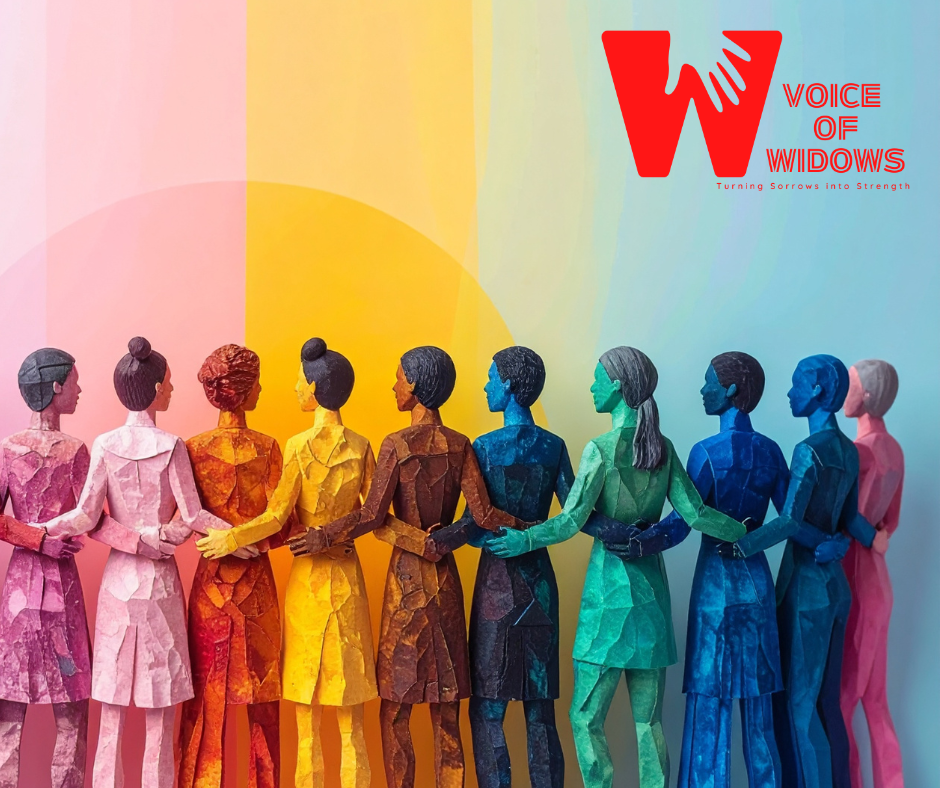
Collective solidarity across generations
Each factor built on the other. Equality was never a single event. It was a chain reaction of courage.
Is Equality Fully Achieved Today?
This is the urgent question.
In many countries, women lead corporations, governments, and global institutions. Female presidents, prime ministers, scientists, athletes, and entrepreneurs are reshaping leadership models.
Yet:
-
Gender pay gaps persist
-
Violence against women remains widespread
-
Representation in top political offices is still limited
-
Access to education and healthcare remains unequal in many regions
Equality has advanced, but it is not universal.
The fight is not over.
Why This Generation Must Care
You are living in the results of someone else’s sacrifice.
The rights women enjoy today — voting, working, studying, owning property, speaking freely — were paid for by generations who endured humiliation, imprisonment, and discrimination.
Progress can move forward. But it can also move backward.
History proves one thing: rights unprotected can be rights undone.
Gender equality is not just about women. It is about economic growth, social stability, innovation, and justice. Countries with higher gender equality show stronger economic performance and better social outcomes.
This is not only a moral issue. It is a development issue.
What Action Looks Like Today
If you are asking, “What can I do?” — here is the answer:
-
Support equal pay policies
-
Encourage girls’ education
-
Challenge gender stereotypes in daily conversations
-
Promote women into leadership roles
-
Advocate for safe workplaces
-
Vote for policies that protect human rights
-
Teach the next generation about equality
Equality grows where awareness lives.
The Emotional Truth
Behind every law passed was a woman who refused silence.
Behind every right gained was a story of resistance.
Behind every opportunity today stands a legacy of courage.
Equality was not achieved in comfort. It was achieved in confrontation.
And the question is no longer how women achieved equality.
The question now is:
Will we protect it?
Will we expand it?
Will we defend it when it is challenged?
History is watching.