

There is a question that lingers quietly inside countless lives, a question that is rarely spoken aloud but deeply felt: Why do most widows never remarry?Behind the statistics are women whose lives were split into “before” and “after.” Their love stories did not fade away. They were torn apart. And when the world expected them to move on, many chose instead to rebuild not by replacing, but by rising. This is not a story about loneliness.It is a story about strength, memory, identity, and the invisible weight that widows silently carry every single day. The Unseen Grief That Never Fully Ends When a spouse dies, the world does not simply become quieter.It becomes unfamiliar. Routines collapse. Shared laughter becomes a memory. The future that was once planned together suddenly disappears. For many widows, love does not die with a person. It remains living inside them, shaping their choices forever. Remarriage, then, is not simply about finding a new partner.It is about standing face-to-face with the lingering echo of a love story that once defined everything. And for many, that love was enough. A New Identity Is Born From Loss Widows often discover a strength they never expected. They become decision makers, protectors, providers, and healers. Their independence is not a rebellion against love. It is survival. They learn to: manage life alone protect their children carry emotional scars quietly rebuild their sense of self By the time society begins questioning why they have not remarried, many widows have already formed a powerful identity rooted in resilience. They are no longer seeking to be completed. They already are. The Emotional Barrier Few Understand To love again can mean reopening a heart that has already been shattered once.For many widows, the thought of risking that level of loss again feels unimaginable. The fear is real.The grief is real.The loyalty to a memory is real. And sometimes, the heart simply decides once was enough. Social Pressure Makes It Even Harder Widows carry expectations placed upon them by society, culture, family, and community. Judgment whispers around them: Why are you still single?Are you being fair to your children?Have you moved on yet? These questions wound.They imply a deadline for grief, as though healing must follow a schedule. But grief follows no timeline.And love cannot be replaced like an object. A Love That Becomes Eternal Many widows do not remarry because they do not feel single. They still speak to their late spouse in quiet moments.They still sleep on one side of the bed.They still remember shared birthdays, first meetings, and last words. This is not weakness.It is loyalty born from genuine love. Some love stories do not end.They simply change shape. Practical Realities Also Matter Many widows also face: legal complications inheritance concerns financial responsibilities blended family challenges emotional needs of children Remarriage is not a simple decision. It affects lives beyond their own. And Then There Is Strength Widows learn to rebuild.They learn to breathe again.They learn to carry pain with grace. They become emotionally powerful.Independent.Grounded. And sometimes, they discover they no longer need romantic partnership to feel whole. This Is A Call To Compassion Before anyone asks a widow why she has not remarried, they should instead ask: How can I support you?How have you been coping?What does healing look like for you? Because the truth is simple: Most widows do not refuse remarriage out of fear of love.They simply already experienced a love that shaped their soul. And for many, that love will always be enough. A Final Thought For Every Reader Let this message awaken empathy.Let it remind us that grief is sacred.Let it teach us that women who walk through widowhood do not need pressure to begin again. They deserve respect for surviving.They deserve honor for enduring.They deserve peace — on their own terms. And if a widow chooses to love again, it is beautiful.If she does not, it is equally powerful. Because healing is personal.And love never truly leaves.

The Silent Struggle: What If You Don’t Want to Discuss Your Trauma?
Trauma is not always loud.Sometimes, it sits quietly behind a smile. It lingers in the silence between conversations, in the heaviness of a pause, or in the tightening of the chest when someone says, “You should talk about it.” But what if you don’t want to?What if the idea of speaking about your trauma feels like reopening a wound that you’ve spent years trying to bandage, or worse—makes you feel even more unsafe? This article is not just about trauma.It’s about the power of choice, the urgency of compassion, and the importance of respecting the healing process, even when it doesn’t follow the “talk it out” narrative. The Misunderstood Silence We live in a world that increasingly pushes us toward expression.From therapy sessions to online “healing spaces,” from social media confessions to group circles, the dominant message is: “You must talk to heal.” But not everyone heals the same way. For some, silence is sacred.For others, the past is so painful that speaking about it may trigger breakdowns instead of breakthroughs.Many are still gathering the courage to even admit it to themselves. To them, silence isn’t avoidance. It’s survival. When Pressure Causes More Pain Let’s be real: healing isn’t linear.Some people need to talk. Others need time.And forcing someone to speak about their trauma before they are ready can be deeply damaging—emotionally, mentally, even physically. In fact, re-traumatization is a real risk.Every time someone says, “You have to talk about it to move on,” it invalidates the person’s way of coping. It can make them feel broken, weak, or “wrong” for not following the healing script society deems “normal.” This is not just insensitive—it’s dangerous. Creating Safe Spaces Without Demands So, what can we do? Normalize silence.Healing doesn’t always need to be spoken. Sitting in silence, creating art, journaling, praying, meditating, or simply living day by day are valid forms of healing. Respect boundaries.If someone doesn’t want to talk, respect that. Support doesn’t mean interrogation. It means being there—patient, present, and non-judgmental. Encourage, don’t enforce.Instead of “you should talk,” say, “When you’re ready, I’m here.” That one sentence can be life-changing. Choose trauma-informed support.If you’re a friend, family member, teacher, or therapist, take the time to understand trauma responses. What looks like distance may actually be self-protection. To Those Carrying Unspoken Stories If you’re someone who’s not ready to talk about your trauma—You are not broken.You are not weak.You are not wrong. You are allowed to protect your peace.You are allowed to choose silence.You are allowed to say, “Not now. Maybe not ever.”And that is still healing. The Urgency We Must Acknowledge In a world that pushes for disclosure, we need to pause.We need to stop demanding stories that are still bleeding.We need to recognize that healing is not performance—it is deeply personal, often invisible, and never linear. And we need to create a culture where both speaking and silence are safe. This is urgent. Because every day, someone is retraumatized by well-meaning people forcing them to “open up.” Let us be the generation that knows better.Let us be the generation that does better.
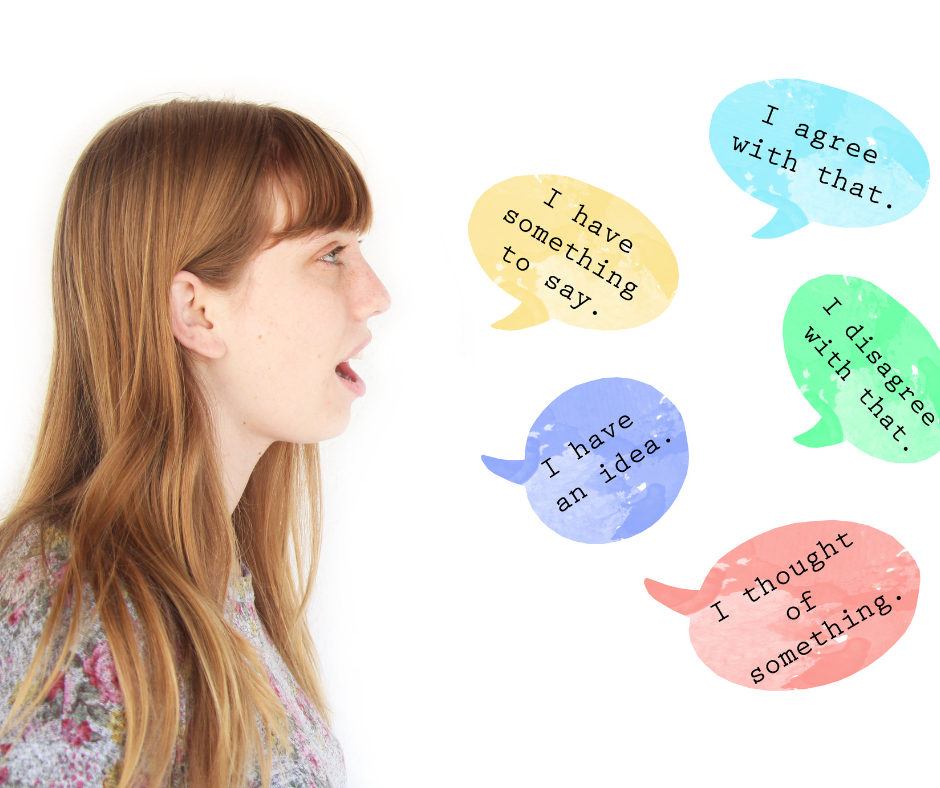
Speak So They Listen: How to Express Yourself Clearly and Confidently
In a world driven by noise, distractions, and fast-paced interactions, the ability to express yourself clearly and confidently isn’t just a skill — it’s a superpower. Whether you’re a professional in the boardroom, a teacher in the classroom, a leader in your community, or someone trying to be heard in a conversation — how you communicate defines your impact. This is not just about being talkative. It’s about being heard, understood, and remembered.It’s about shaping how others perceive you and how opportunities unfold around you. And right now, we live in a world that desperately needs voices with clarity, conviction, and courage. Why Clarity and Confidence Are No Longer Optional Let’s be honest — people don’t have time for confusion.They tune out fast. They scroll past even faster. If your words aren’t clear, your message is lost. If you’re not confident, people question your message before they even hear it. When you lack expression: Opportunities slip through the cracks. Misunderstandings create tension. Your ideas, no matter how brilliant, stay buried. But when you speak with clarity and confidence, you lead conversations. You inspire trust. You open doors. So what’s stopping you? The Silent Struggles Behind Poor Communication Most people aren’t born poor communicators. They’ve just never been taught how to express themselves powerfully. You may relate to this: You know what you want to say but can’t find the right words. You feel nervous before speaking. You doubt whether anyone cares about your opinion. You fear being judged, interrupted, or dismissed. But here’s the truth: Your voice matters. Your perspective matters. And with the right tools and mindset, you can master your message and own any room you walk into. How to Express Yourself Clearly and Confidently Let’s turn your voice into your greatest asset. This isn’t theory — this is practical, transformative, and rooted in experience. 1. Start with Intention Before you speak, ask yourself: What’s my core message? What do I want the listener to understand or do? When your message has a clear purpose, your words follow with clarity. 2. Speak from Authenticity, Not Performance People don’t connect with perfection. They connect with realness. Speak from your truth, not from a script. Your tone, body language, and eye contact will naturally align when you’re being genuine. 3. Slow Down Nervousness makes us rush. But powerful communicators pause. They emphasize. They let ideas land. Silence can be your strongest tool when used wisely. 4. Build Vocabulary, Not Complexity You don’t need fancy words. You need the right words. Study how great speakers simplify complex ideas. They make it easy to digest, not harder. 5. Practice Aloud — Not Just in Your Head Confidence grows with exposure. The more you say your thoughts aloud, the more your brain builds fluency. Record yourself. Join speaking groups. Train your voice like a muscle. 6. Accept Imperfection and Keep Going You will fumble. You might repeat yourself. You may blank out. That’s human. What matters is pushing through with grace and resilience. Confidence isn’t about perfection — it’s about persistence. Action-Taking Time: Speak Like Your Life Depends on It — Because It Does You can’t keep waiting for the perfect moment, the right environment, or someone to ask for your opinion.You are already enough. You already have something worth saying. Whether it’s a job interview, a pitch to investors, a family disagreement, or a stage in front of thousands — your ability to express yourself will shape your path more than talent, luck, or timing ever could. So today — not tomorrow — decide to: Speak up in meetings. Share your thoughts in groups. Post that video. Start that podcast. Initiate that difficult conversation. Speak your truth with unapologetic clarity. Final Words: The World is Waiting for Your Voice Don’t let fear rob the world of your insight.Don’t let hesitation hold back your growth. Because the moment you express yourself clearly and confidently, everything changes: People listen. Doors open. Respect grows. Impact multiplies. The power isn’t in just having a voice. The power is in using it.

The Power of Letting Go: Why Detachment Is the Key to a Balanced, Fulfilling Life
In a world that glorifies hustle, perfection, and constant achievement, the concept of detachment can feel counterintuitive—even threatening. Yet, if we are truly honest with ourselves, many of us are chained to things that no longer serve our highest good. Whether it’s toxic relationships, unrealistic expectations, material possessions, job titles, or our endless pursuit of control, the weight we carry in the name of “success” can quietly crush our well-being. Detachment is not about indifference. It’s about clarity. It’s about choosing to step back emotionally, mentally, and spiritually from the things that drain us—and making room for peace, purpose, and inner power. In doing so, we open ourselves up to something radically transformative: a balanced life. The Hidden Cost of Attachment Attachment shows up in subtle ways. It’s the fear of losing status, the obsession with being liked, the need to prove yourself, the anxiety when plans fall apart, the pain when expectations go unmet. And each time we grip tighter to what we think we must control, we move further away from serenity. We live in a world where being busy is mistaken for being valuable. But what’s the real cost? Burnout, broken connections, poor health, sleepless nights, and chronic dissatisfaction. We keep chasing, yet never arriving. Now is the time to ask:Are you holding on to something that’s holding you back? What Detachment Actually Means Detachment is not the absence of care—it’s the presence of power.It means: Letting go of what you can’t control. Disengaging from outcomes you cannot guarantee. Releasing the pressure of expectations. Allowing people and situations to be as they are. And in return, you gain: Emotional clarity Stronger boundaries Improved mental health A more authentic life More energy to focus on what matters Why Now Is the Time to Detach This isn’t just another self-help message. This is a wake-up call. The world is moving faster than ever, and so many are losing themselves in the noise. You have a chance—right now—to realign your life, to reconnect with what actually brings joy and meaning. But this cannot happen while you are still entangled in everything you think you “should” be doing, having, or becoming. Urgency is not panic—it is a deep realization that life is too short to waste. Start small. Let go of one thing today that is weighing you down. Say no to one task that doesn’t align with your purpose. Speak one truth you’ve been avoiding. Choose presence over pressure. How Detachment Creates a Balanced Life When you detach from toxic cycles, you gain control over your emotional state.When you detach from needing approval, you reclaim your authenticity.When you detach from chasing, you finally arrive. Balance is not about doing less. It’s about carrying less.Less fear. Less guilt. Less comparison.And more peace. More presence. More purpose. A Call to Action: Reclaim Your Inner Freedom Detachment is not a one-time act—it’s a lifestyle. A conscious, courageous decision to choose freedom over fear, peace over pressure, and alignment over approval. If you’ve been searching for balance in your life, look not at what more you can do—but at what you need to let go of.Let today be the day you start your journey toward inner freedom. You don’t need permission. You just need decision. You deserve a life that is light, authentic, and whole. The time to detach is now.Because your life will never be fully yours… until you let go.
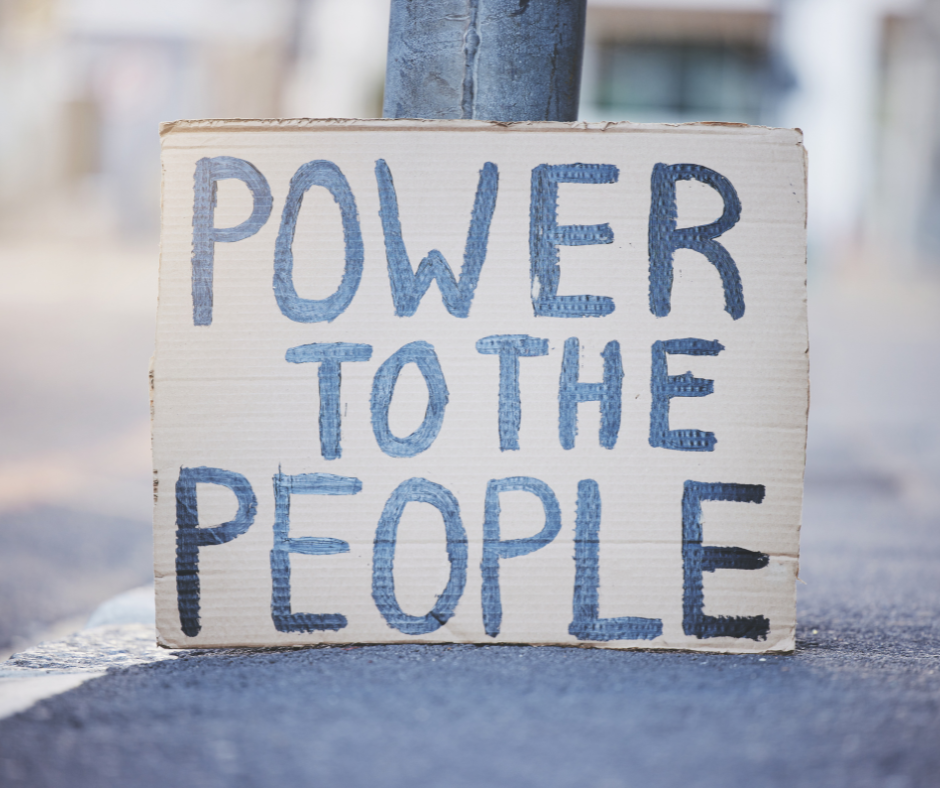
Stand Your Ground: 5 Bold and Empowering Ways to Handle Pushy People Before They Take Over Your Peace
In a world where boundaries are constantly tested, learning how to deal with pushy people isn’t just a skill—it’s a necessity. Every day, someone somewhere is giving in to pressure they wish they had resisted. If you’ve ever walked away from a conversation feeling cornered, manipulated, or emotionally exhausted, this article is for you. Why You Must Act Now Pushy people are everywhere: at work, in relationships, on social media, and sometimes even in your own home. If you don’t learn to stand your ground, you risk losing more than your voice—you lose your time, your energy, your peace, and your sense of self. The cost of silence is too high. And the longer you wait, the harder it gets. Let’s change that today. 1. Recognize the Manipulation Early Pushy behavior isn’t always loud. Sometimes, it’s wrapped in fake concern or disguised as a favor. The moment someone dismisses your “no” or guilt-trips you for setting a boundary, understand this: it’s not care, it’s control. Action:Start paying attention to how people make you feel. If you’re often left drained, doubting yourself, or doing things just to “keep peace,” it’s time to reset the dynamic. 2. Use Direct Language Without Apology Pushy people thrive on hesitation. They use your uncertainty as permission to keep pushing. The most powerful response you can give is a firm, unapologetic “No.” Action:Say it clearly. Not maybe. Not later. Just “No, this doesn’t work for me.” You don’t owe explanations. You owe yourself peace. 3. Set Boundaries and Enforce Them Like a Pro A boundary without enforcement is just a wish. Pushy people will always test limits—they expect you to fold. But when you enforce your boundary, you train people on how to treat you. Action:Be consistent. If someone crosses the line, call it out immediately. Calmly. Clearly. Every time. That’s how you stop being an easy target. 4. Reclaim Your Power Through Distance Sometimes, the strongest move is walking away. You don’t need toxic energy in your inbox, your home, or your life. Action:Limit contact. Unfollow, mute, or block if needed. Create space to breathe. Not every connection is worth keeping. Emotional health isn’t negotiable. 5. Heal the Guilt—It’s Not Yours to Carry Pushy people love using guilt as a leash. They’ll say you’re being selfish. Cold. Dramatic. But here’s the truth: Protecting your boundaries is not a crime. It’s self-respect. Action:Remind yourself: Saying “no” doesn’t make you a bad person. It makes you a free one. Start honoring yourself, and the right people will honor you too. You Are Allowed to Say No Without Explaining Yourself If you don’t claim your boundaries, someone else will define them for you. And once they do, your peace becomes their playground. Today is the day you stop people-pleasing. Today is the day you take your power back. Final Words: This isn’t just about avoiding pushy people. It’s about reclaiming control over your life, emotions, and energy. You’ve been too kind, too accommodating, and too silent for too long. That ends now. You deserve peace. You deserve space.

Empower Your Mind: The Urgent Need to Master Critical Thinking and Build Strong Reasoning Skills
In today’s fast-paced world, we are surrounded by a flood of information, distractions, and decisions that demand our attention. What separates leaders from followers, problem-solvers from spectators, and innovators from imitators is one core ability: Critical Thinking. Critical thinking is not just a skill; it is a survival tool. It is the engine behind sound decision-making, effective problem-solving, and resilient leadership. It enables us to reason logically, assess situations fairly, evaluate evidence, and rise above emotional manipulation and social bias. Yet, despite its undeniable importance, we are witnessing a global crisis in reasoning. Our societies are falling prey to misinformation, impulsive reactions, and poor judgment. The cost? Personal failures, broken communities, and ineffective institutions. The time to build strong reasoning skills is not tomorrow—it is today. Why Critical Thinking Is No Longer Optional 1. It is the Foundation of Personal EmpowermentIf you want to take control of your life, you must first take control of your thoughts. Critical thinkers do not follow blindly. They ask questions. They dig deeper. They challenge norms and seek truth over convenience. This empowers individuals to make independent choices that align with their values and goals. 2. It Drives Professional ExcellenceIn business, science, education, law, and healthcare—critical thinking is the secret ingredient behind innovation, accuracy, and credibility. Employers are no longer just looking for degrees; they want minds that can think under pressure, assess risk, solve problems, and build strategies. Your career depends on how well you reason, not how fast you react. 3. It Builds Strong Communities and Just SocietiesEvery corrupt system thrives on blind loyalty and passive citizenship. Strong reasoning enables people to ask uncomfortable questions, hold leaders accountable, and demand better. A community of critical thinkers is the greatest threat to injustice—and the greatest hope for reform. How to Start Developing Critical Thinking Today Step 1: Ask Better QuestionsReplace “What should I think?” with “Why do I think this?” or “What are the assumptions behind this belief?” Question everything—constructively. Step 2: Consume Information ResponsiblyDon’t rely on one news source. Don’t share without verifying. Don’t assume authority means accuracy. Seek out diverse perspectives, and always look for the evidence. Step 3: Practice Reflective ThinkingAfter every decision or conversation, pause and reflect. What went well? What could’ve been done differently? Reflecting on your actions refines your thinking. Step 4: Engage in Healthy DebateChallenge ideas, not people. Learn to defend your views with reason, and be open to changing your mind when the facts demand it. Step 5: Read Widely and RegularlyBooks, articles, essays—reading strengthens your cognitive muscles. It broadens your understanding and helps you detect weak arguments. The Urgency We Can No Longer Ignore Every day that we delay developing critical thinking is a day we stay vulnerable to manipulation, poor decisions, and emotional traps. We cannot build a better world with people who don’t think critically. We cannot solve climate change, end poverty, promote peace, or build just institutions unless our reasoning skills match the complexity of our problems. Educators, parents, leaders, and policymakers must prioritize this now—not next year, not in a future curriculum, but immediately. Our schools must teach logic before opinions, evidence before emotions. Our workplaces must reward thoughtful decisions, not just loud voices. Our children must grow up knowing how to think, not just what to think. Take Action Now Start a community discussion group focused on logic and reasoning. Demand critical thinking courses in your schools and institutions. Mentor young minds in your family or community. Teach them how to question, reason, and reflect. Audit your own beliefs regularly. Revisit what you once assumed to be true. Read a book this month that challenges your perspective. Let’s not raise another generation that inherits our problems without the tools to solve them. Let’s build thinkers, not followers.