
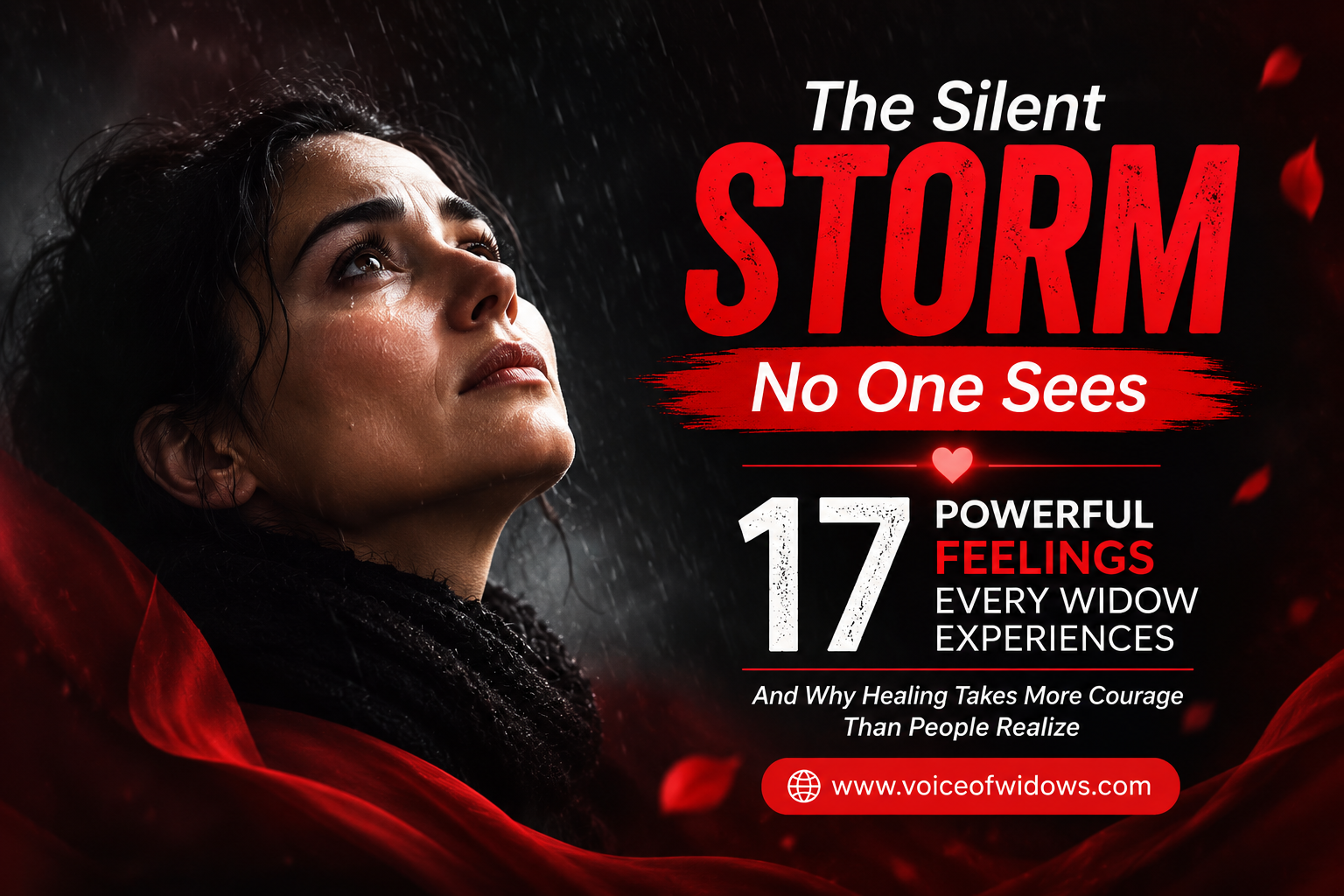
A woman can prepare for many challenges in life, but few experiences compare to the emotional earthquake of losing a life partner. Widowhood is not simply about losing a husband; it is about losing a companion, a confidant, a future, shared dreams, daily routines, and a part of one’s identity. Behind every widow is a story that often remains untold. While friends and family may offer support during the first few weeks, many widows continue fighting silent battles long after the condolences stop arriving. Society often expects healing to happen quickly, yet grief follows no calendar. The emotional journey of widowhood is complex, unpredictable, and deeply personal. Some days bring strength and hope. Other days bring overwhelming sadness and uncertainty. Understanding these emotions can help widows feel less alone and help others provide meaningful support. Understanding the emotional reality of widowhood Grief is not a straight line. It moves in waves. A widow may feel acceptance one day and intense sorrow the next. These emotional shifts are normal and reflect the profound impact of losing a spouse. Below are seventeen powerful feelings many widows experience during their journey. 1. Shock The initial loss often feels unreal. Even when a spouse has been ill for a long time, the reality of death can be difficult to comprehend. Many widows describe feeling numb, disconnected, or unable to process what has happened. The mind struggles to accept a life-changing reality overnight. 2. Deep sadness Sadness becomes a constant companion during the early stages of widowhood. Simple moments can trigger tears—a favorite song, a familiar scent, an empty chair at dinner, or a photograph from happier times. This sadness reflects the depth of love that existed. 3. Loneliness One of the most painful aspects of widowhood is loneliness. The absence of daily conversations, shared routines, and companionship creates a silence that many find overwhelming. Even when surrounded by people, a widow may feel profoundly alone. 4. Fear of the future The future suddenly becomes uncertain. Questions begin to emerge: How will I manage financially? Who will support me emotionally? Can I handle life’s responsibilities alone? Fear often accompanies major life transitions, and widowhood is among the most significant. 5. Anger Many widows experience anger. They may feel angry about the illness, circumstances, medical challenges, or simply the unfairness of losing someone they love. Anger is a natural response to profound loss. 6. Guilt Guilt frequently appears during grief. Widows may replay conversations, decisions, or moments from the past, wondering if they could have done something differently. Many carry burdens that were never theirs to carry. 7. Confusion Widowhood often creates emotional and mental confusion. The brain is processing intense stress while trying to adjust to a completely different reality. Simple decisions can suddenly feel difficult. 8. Anxiety Many widows experience heightened anxiety. The uncertainty of life after loss can lead to constant worry about finances, health, family responsibilities, and future stability. Anxiety is often a reflection of the significant changes taking place. 9. Emotional exhaustion Grieving requires enormous emotional energy. Widows often report feeling physically and mentally drained, even when they have done very little during the day. Healing itself can be exhausting work. 10. Isolation Many widows feel disconnected from others. Friends may not understand their pain. Social invitations may decrease. Conversations can feel awkward. This sense of isolation can deepen grief if left unaddressed. 11. Loss of identity Many women have spent years or decades as wives. When a spouse dies, questions about identity often arise. Who am I now? What does my future look like? What role do I play in the world? Rediscovering oneself becomes an important part of healing. 12. Regret Widows may regret missed opportunities, unfinished conversations, or plans that never became reality. These feelings can linger for years if not acknowledged and processed. 13. Jealousy This emotion is rarely discussed but is surprisingly common. Seeing happy couples together can trigger feelings of envy or sadness. This reaction does not make a widow selfish; it reflects the longing for what has been lost. 14. Hope Amid the pain, hope eventually begins to emerge. Small moments of joy, meaningful friendships, personal growth, and new opportunities can slowly remind widows that life still holds possibilities. Hope often arrives quietly. 15. Strength Many widows discover resilience they never knew they possessed. Managing households, finances, family responsibilities, and personal healing reveals an inner strength that often surprises them. Strength is not the absence of pain; it is moving forward despite it. 16. Gratitude Over time, gratitude can coexist with grief. Many widows begin appreciating the memories, lessons, and years shared with their spouse. The pain of loss remains, but appreciation for the love experienced becomes stronger. 17. Acceptance Acceptance does not mean forgetting. It means acknowledging reality while continuing to live meaningfully. A widow learns that she can carry love and loss together. Acceptance represents a new chapter rather than an ending. Why understanding widowhood matters Millions of women around the world navigate widowhood every year. Yet many continue suffering in silence because society often misunderstands grief. People may encourage widows to “move on” before they are ready. Others may avoid discussing the loss altogether. Both responses can leave widows feeling unheard and unsupported. Understanding these emotions creates compassion. It reminds us that healing takes time and that every widow’s journey is unique. How widows can begin rebuilding their lives While grief never completely disappears, many widows find ways to move forward with purpose and hope. Some helpful steps include: Seeking emotional support from trusted friends and family. Joining widow support groups. Practicing self-care and self-compassion. Creating healthy daily routines. Pursuing new interests and personal goals. Allowing themselves permission to heal at their own pace. Honoring memories while embracing future possibilities. The goal is not to forget the person who was lost. The goal is to learn how to carry that love into the next chapter of life. The hidden truth about widowhood The strongest widows are not those who never

The Journey Within: A Powerful Guide to Emotional Healing and True Self-Acceptance
In a world that constantly pushes us to achieve, compare, and compete, many silently struggle with emotional wounds that never truly heal. Emotional healing and self-acceptance are not luxuries—they are necessities for living a meaningful, peaceful, and fulfilled life. Yet, too many people delay this inner work, thinking time alone will mend what’s broken. The truth is, healing is a choice—one that requires courage, awareness, and compassion. Understanding Emotional Healing Emotional healing is the process of identifying, understanding, and transforming the pain that has shaped your thoughts, behaviors, and relationships. It’s not about forgetting or ignoring what hurt you—it’s about learning to hold that pain differently. Healing invites you to stop running from your emotions and instead listen to what they’re trying to tell you. Every heartbreak, betrayal, and disappointment leaves an imprint. When unhealed, these emotional scars quietly dictate our choices, keeping us stuck in cycles of fear, guilt, and self-doubt. But when acknowledged, they become the foundation for strength, wisdom, and deeper empathy. The Role of Self-Acceptance in Healing You cannot truly heal if you do not accept yourself as you are—flaws, failures, and all. Self-acceptance means recognizing your worth without conditions. It means no longer waiting for someone else’s approval to feel enough. The most profound healing begins the moment you look at yourself in the mirror and say, “I am still deserving of love, even with my imperfections.” We live in an era that glorifies perfection. Social media filters, external validation, and unrealistic standards have made many feel inadequate. But real power lies in authenticity. When you stop pretending and start embracing your truth, you create space for transformation. You begin to live, not perform. Steps Toward Emotional Healing and Self-Acceptance Acknowledge Your Pain: Healing starts with honesty. Allow yourself to feel. Avoiding emotions only buries them deeper. Forgive Yourself and Others: Forgiveness isn’t about approval—it’s about liberation. Release the burden of resentment. Practice Mindful Awareness: Be present with your emotions without judgment. Awareness transforms pain into purpose. Seek Support: Healing is not a solo journey. Speak to a therapist, join a community, or confide in a trusted friend. Rebuild with Compassion: Treat yourself like someone you love. Every small act of kindness toward yourself builds strength. Let Go of Comparison: Your journey is uniquely yours. Measuring it against others only steals your peace. Celebrate Growth: Every step forward—no matter how small—is progress. Acknowledge it, and keep moving. Why You Must Begin Now Time does not heal wounds—intention does. Every day you delay your healing, you carry old pain into new moments. Emotional baggage weighs down your joy, blocks your creativity, and limits your potential. You deserve freedom. You deserve peace. You deserve to feel whole again. Don’t wait for a crisis to begin your healing. The right time is now. Start today—write that journal entry, have that hard conversation, forgive that version of yourself, and take one small, conscious step toward peace. The world doesn’t need a perfect you—it needs the real, healed you. Final Thoughts Healing is not linear. There will be setbacks, and there will be moments of doubt. But each time you choose to keep going, you reclaim your power. Emotional healing and self-acceptance are not destinations—they are daily practices that lead to profound inner peace and strength. Remember: You are not your past. You are not your mistakes. You are the author of your own rebirth. Start your journey within today—because healing yourself is the most revolutionary act of love you can ever commit to.