

Why Are Widowed Women Still Living in Fear? A woman loses her husband, and in a single moment, her entire world changes. Along with grief, many widows inherit something they never asked for: fear. Fear of financial uncertainty. Fear of social judgment. Fear of loneliness. Fear of exploitation. Fear of an uncertain future. In a world that speaks loudly about equality and progress, millions of widowed women still live silently behind closed doors, carrying emotional wounds and anxieties that society often refuses to acknowledge. The question we must ask ourselves is not whether widows are suffering. The real question is this: Why are widowed women still living with fear in the twenty-first century? The Grief That Never Fully Leaves Losing a life partner is one of the most painful experiences a human being can endure. Marriage is not merely a legal relationship. It is companionship, support, shared responsibilities, dreams, and emotional security. When a husband dies, a widow does not simply lose a spouse. She often loses her closest friend, her emotional anchor, and in many cases, her financial protector. While people around her slowly return to their normal lives, she continues fighting battles that nobody can see. Many widows spend years learning how to survive emotionally while carrying grief that never completely disappears. Financial Fear Becomes a Daily Reality For countless widowed women, financial insecurity becomes an immediate and frightening challenge. Many suddenly become solely responsible for: Paying bills Raising children Managing debts Handling legal documentation Maintaining a household Securing education for their children Women who previously depended on their husbands’ income may find themselves facing overwhelming responsibilities without adequate financial resources. This uncertainty creates constant anxiety. Questions repeatedly enter their minds: How will I support my family? Will I lose my home? Can I afford my children’s education? What happens if I become sick? Financial fear is one of the biggest reasons widowed women continue to live with constant stress and insecurity. Social Stigma Still Exists Despite social progress, widowhood remains surrounded by misconceptions in many communities. Some widows experience exclusion from social events. Some face unwanted pity. Others are unfairly blamed for circumstances beyond their control. Many feel invisible. Even more painful is when society begins to define a woman entirely by her loss rather than recognizing her strengths, abilities, and identity. A widow should never be treated as someone whose life has ended. She is still a mother, daughter, professional, leader, entrepreneur, friend, and valuable member of society. Yet social attitudes often make widows feel isolated and vulnerable. The Fear of Loneliness Loneliness can become one of the deepest wounds of widowhood. After years of sharing everyday experiences with a partner, silence suddenly fills the home. Simple moments become painful reminders: Eating alone Making decisions alone Celebrating milestones alone Facing illness alone Many widows admit that nights are often the hardest because grief becomes louder in silence. Humans are designed for connection, and prolonged loneliness can significantly affect emotional well-being and overall quality of life. Raising Children Alone Creates Enormous Pressure Widowed mothers frequently carry responsibilities that once belonged to two people. They become providers. They become protectors. They become emotional support systems. They become decision-makers. They become both mother and father. The pressure can be overwhelming. Many mothers suppress their own pain because they believe they must remain strong for their children. Yet inside, they continue living with fear and uncertainty. Fear of Exploitation and Vulnerability Widowed women can become targets of exploitation. Some face financial manipulation. Others encounter property disputes. Some experience workplace discrimination. Others struggle with harassment or coercive situations. When emotional vulnerability meets economic insecurity, fear naturally increases. Every society has a responsibility to protect widowed women from abuse, exploitation, and discrimination. No woman should have to fear becoming vulnerable simply because she lost her spouse. Mental Health Challenges Are Often Ignored The emotional impact of widowhood extends far beyond sadness. Many widows experience: Depression Anxiety Sleep difficulties Chronic stress Emotional exhaustion Loss of confidence Unfortunately, mental health support remains inaccessible or socially discouraged in many communities. People often tell widows to be strong and move on. But healing does not happen according to a schedule. Grief demands compassion, understanding, and support. Ignoring emotional pain only deepens suffering. Why Society Must Pay Attention Now Widowed women are not asking for sympathy. They are asking for dignity. They are asking for equal opportunities. They are asking for understanding. They are asking for security. They are asking for the freedom to rebuild their lives without fear. Every family, institution, and community has a role to play. Support systems should include: Emotional counseling Financial education Employment opportunities Legal assistance Community support networks Protection against discrimination Access to healthcare and mental health resources When widowed women are empowered, entire families and communities become stronger. The Conversation We Can No Longer Ignore The fear experienced by widowed women is not a personal failure. It is often the result of social neglect, inadequate support systems, and persistent stereotypes. The measure of a compassionate society is not how it treats people during moments of celebration. It is how it supports individuals during their darkest hours. Widowed women deserve more than sympathy. They deserve respect. They deserve opportunities. They deserve security. Most importantly, they deserve to live without fear. Perhaps the real question is not why widowed women are still afraid. The real question is this: What are we doing today to ensure that no widow has to face tomorrow alone?
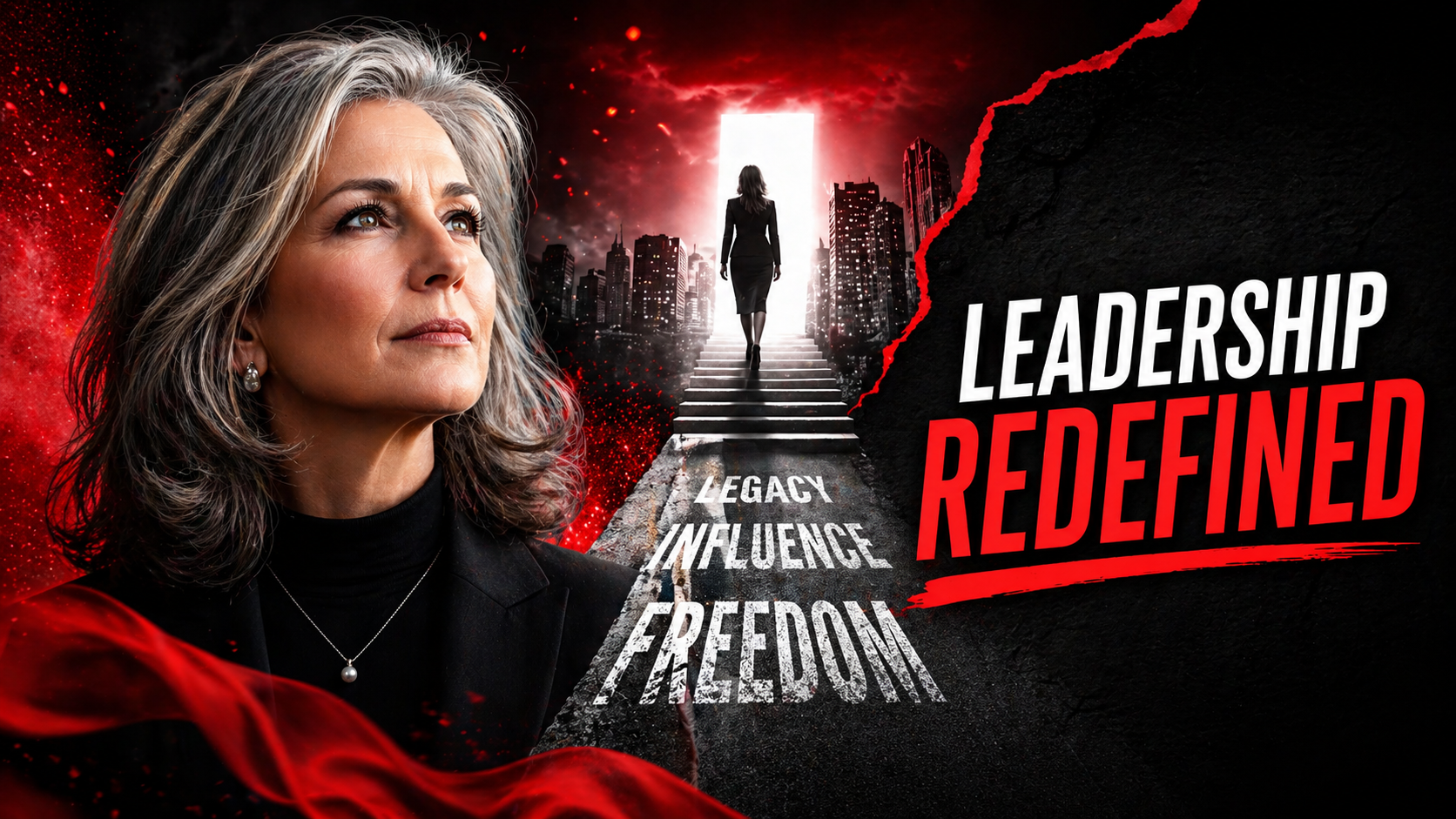
How Widowed Women Can Redefine Leadership: Turning Personal Loss into Powerful Legacy, Influence, and Economic Independence
Introduction: When Life Changes, Leadership Begins Leadership is often associated with position, power, or professional authority. But in reality, some of the most powerful forms of leadership are born from life’s most difficult transitions. Widowhood, though deeply personal and often painful, can also become a turning point where identity is rebuilt and purpose is redefined. This is not about replacing what was lost. It is about rebuilding what comes next with strength, clarity, and direction. Across communities and industries, widowed women are increasingly stepping into roles of influence, entrepreneurship, mentorship, and advocacy. Their leadership is not inherited. It is created through resilience. Redefining Leadership Beyond Traditional Boundaries Traditional leadership models often focus on corporate hierarchy or institutional authority. However, modern leadership is far more dynamic. It includes emotional intelligence, community impact, adaptability, and lived experience. Widowed women bring a unique leadership perspective shaped by real-life challenges, including: Emotional resilience developed through personal transition Financial restructuring and independence Responsibility in rebuilding family and future stability Deep empathy and social awareness These experiences shape leaders who are grounded, authentic, and highly adaptive to change. From Survival to Strategy: The Shift in Identity The first transformation after loss is internal. It begins with shifting from survival mode into strategic thinking. This stage is not about rushing recovery. It is about rebuilding identity with intention: Reassessing personal strengths and transferable skills Identifying new opportunities for income and growth Rebuilding confidence through small, consistent wins Setting long-term personal and professional goals This transition is where leadership quietly begins. It is not announced. It is built step by step. Economic Independence as a Form of Leadership Financial independence is one of the strongest foundations of modern leadership. For widowed women, rebuilding financial stability is not just survival—it is empowerment. Opportunities include: Entrepreneurship and small business creation Remote digital work and freelancing careers Skill-based services such as consulting, teaching, or mentoring Community-based initiatives and cooperatives Economic control creates decision-making power, and decision-making power defines leadership. Community Influence: Leadership That Multiplies Impact True leadership extends beyond self-growth. Widowed women often become powerful voices within their communities. They contribute through: Mentoring others experiencing similar transitions Participating in social development programs Leading support groups or advocacy networks Inspiring younger generations through lived experience This form of leadership is not driven by authority, but by authenticity and trust. Emotional Strength as a Leadership Asset In many leadership discussions, emotional strength is underestimated. Yet it is one of the most critical qualities in today’s uncertain world. Widowed women often develop: High emotional awareness and empathy Strong decision-making under pressure Ability to adapt to unpredictable change Deep understanding of human relationships These traits make them effective leaders in both professional and social environments. Building a Future-Oriented Leadership Identity Redefining leadership also means preparing for the future. This involves continuous learning and adaptation. Key focus areas include: Digital literacy and online presence building Personal branding and storytelling Skill development aligned with emerging industries Financial planning and long-term stability strategies Leadership today is visible, digital, and globally connected. Presence matters as much as performance. Breaking Social Perceptions and Reclaiming Narrative One of the strongest challenges widowed women face is social perception. However, leadership begins when narrative control shifts inward. Instead of being defined by loss, leadership is defined by action: Choosing direction instead of limitation Creating opportunities instead of waiting for them Rebuilding identity instead of staying in labels This shift transforms perception from sympathy to respect. Conclusion: Leadership After Loss Is Leadership Reborn Widowhood does not end leadership potential. In many cases, it becomes the beginning of a deeper, more meaningful form of leadership. This leadership is not loud. It is not dependent on titles. It is built through persistence, emotional intelligence, and the courage to rebuild life with intention. When widowed women step into leadership roles, they do more than change their own lives. They reshape families, communities, and future generations.

Healing the Heart: How Self-Compassion Empowers Widows to Overcome Rejection and Reclaim Their Lives
Introduction: The Silent Struggle of Widows Losing a life partner is one of the most profound emotional challenges anyone can face. For many widows, the grief is compounded by social pressures, judgment, and even rejection—from family, society, or potential relationships. This emotional weight can feel unbearable, leaving women questioning their self-worth. But there is a powerful tool that widows often overlook: self-compassion. Self-compassion is more than self-kindness—it is a deliberate practice of treating yourself with care, understanding, and patience during moments of pain or failure. For widows, cultivating self-compassion can transform rejection into growth, loneliness into resilience, and grief into a path toward empowerment. 1. Understanding Rejection and Its Emotional Impact Rejection is not only painful; it can shake the foundation of identity, especially for widows who have already experienced profound loss. Feeling rejected may trigger: Self-doubt: questioning one’s value and worthiness Isolation: withdrawing from social interactions to avoid judgment Emotional stagnation: difficulty moving forward due to persistent sadness or guilt Without intentional coping strategies, these feelings can spiral into depression or prolonged grief. Recognizing the emotional toll is the first step in reclaiming personal power. 2. The Role of Self-Compassion in Healing Self-compassion allows widows to counteract the harsh self-criticism that often accompanies rejection. According to research by Dr. Kristin Neff, self-compassion consists of three key components: Self-kindness: Treating yourself as you would a close friend in times of pain Common humanity: Recognizing that suffering is a shared human experience Mindfulness: Observing emotions without judgment or over-identification By practicing self-compassion, widows can: Reduce the intensity of negative emotions Build resilience against future rejection Foster emotional healing and self-acceptance 3. Actionable Steps to Cultivate Self-Compassion Widows can actively use self-compassion to navigate rejection with these practical steps: Step 1: Acknowledge Your PainAllow yourself to feel hurt without judgment. Journaling emotions or speaking with a trusted friend or counselor can help process these feelings. Step 2: Reframe Rejection as GrowthInstead of internalizing rejection as personal failure, see it as an opportunity to learn, grow, and redefine boundaries. Ask yourself: “What can this experience teach me about my needs and values?” Step 3: Practice Daily AffirmationsSpeak kind and nurturing words to yourself every day. Examples include: “I am worthy of love and respect.” “It is okay to take my time healing.” Step 4: Engage in Supportive CommunitiesJoining widow support groups, online forums, or workshops can provide a sense of belonging and validation, reinforcing the principle of common humanity. Step 5: Prioritize Self-CareSelf-compassion is reinforced through self-care: proper rest, nutrition, gentle exercise, mindfulness, and hobbies that bring joy and fulfillment. 4. Overcoming Social Stigma Through Empowerment Widows often face societal judgment or unsolicited advice, which can exacerbate feelings of rejection. Self-compassion provides the inner strength to: Resist harmful comparisons with others Set healthy boundaries with family or peers Build confidence in navigating new social or romantic relationships By nurturing self-love, widows not only manage rejection but also emerge more empowered, resilient, and emotionally independent. 5. The Long-Term Benefits of Self-Compassion for Widows Embracing self-compassion is not a quick fix—it is a lifelong practice that gradually transforms the way widows experience life after loss: Emotional resilience: Greater ability to handle rejection, criticism, or loneliness Increased self-esteem: Strengthened self-worth independent of external validation Healthier relationships: Choosing connections that honor and respect personal boundaries Personal growth: Turning grief and rejection into lessons of courage and empowerment Conclusion: Reclaim Your Life Through Self-Compassion Rejection is painful, but it does not define your worth. For widows, practicing self-compassion can be a life-changing approach to emotional healing and personal empowerment. By acknowledging your pain, embracing your humanity, and treating yourself with kindness, you can navigate rejection with grace and strength. Start today. Begin your journey toward self-compassion, and transform rejection into resilience, heartbreak into growth, and loneliness into self-empowerment. Your life, your worth, and your happiness are waiting.

Rebuilding the Unbreakable: Mental Strength Strategies Every Widow Deserves to Know
Rebuilding after loss is not a choice; it is a journey that every widow is forced to walk.And while the world moves forward as if nothing happened, you carry a weight that only someone who has lived through it can understand. The silence feels different. The nights feel longer. And the future feels unfamiliar. Yet within that darkness, there is something powerful you must never underestimate: your ability to rise again. This article is not just a set of tips. It is a call to action. A reminder that you are still here, still breathing, still capable of becoming everything life needs you to be. The Journey of a Widow Is Not Survival. It Is Reinvention. People may expect you to simply “move on,” but healing is not a straight road. It is a rebuilding of identity, purpose, and strength. Mental strength is not about ignoring pain; it is about learning how to grow through it. Here are transformative strategies to help you reshape your life from the inside out. 1. Claim Your Right to Feel Everything You don’t have to pretend to be strong every day. You don’t have to hide your tears. Mental strength begins with truth.What you feel is not weakness; it is evidence that you loved deeply. Give yourself space to grieve, to remember, to breathe.Because emotional honesty is the first pillar of resilience. 2. Build a Daily Routine That Protects Your Mind Your mind is your foundation now.Create a routine that supports clarity, calmness, and emotional stability. Focus on: Waking up with intention Practicing slow mornings Walking, journaling, breathing Eating with awareness Sleeping with discipline Every small habit becomes a brick in your rebuilding.Your new life is built through consistency, not intensity. 3. Connect With People Who Pull You Forward You don’t need a crowd; you need a circle.People who understand.People who listen.People who don’t pressure you to be the old version of yourself. Support groups, mentors, friends, community spaces—these connections expand your emotional capacity and reduce the heaviness you carry alone. Mental strength grows when you know you are not fighting alone. 4. Learn How to Calm Your Inner Dialogue The mind of a widow is overloaded—with memories, fears, future worries, and conversations that no longer have replies. Mental strength comes when you learn how to silence the noise. Practice grounding techniques: Slow breathing Repeating anchoring phrases Mind-clearing walks Writing out the thoughts that drain you You cannot control the storm outside, but you can calm the one inside. 5. Redirect Your Identity to Your Future, Not Your Loss You are a widow, but you are also more.Your identity is not defined by what you lost, but by what you choose next. Align yourself with a new purpose:A new dream.A new mission.A new version of who you are becoming. Mental strength grows when you shift from survival mode to growth mode. 6. Set Strong Emotional Boundaries You are allowed to say no.You are allowed to take time.You are allowed to protect your mental space. Not everyone deserves access to your healing process.Boundaries are not walls; they are shields that help you rebuild without interruption. 7. Invest in Your Personal Growth Healing is not only emotional, it is transformational. Learn a new skill.Start a new project.Read, study, expand.Take back control of your mental landscape. Growth is the ultimate form of strength.It tells your mind: I am not stopping here. 8. Believe That You Can Rise Higher Than Before Loss was not the end of your story.It was the beginning of a new chapter that demands courage, resilience, and self-trust. Your future is not over.Your purpose is not gone.Your capacity for joy is still alive, waiting for you to reclaim it. Mental strength is not something you find by chance.It is something you build by choosing, every day, not to give up on yourself. And today, you choose to rise.

Breaking Barriers: The Global Movement to Empower Widows as Change-Makers By Voice of Widows
Widowhood often comes with profound grief, but for many women around the world, it also brings social isolation and economic hardship. Yet, in the face of these challenges, widows are rising as powerful change-makers. Empowering widows to take on leadership roles is not just a matter of justice; it’s a catalyst for global transformation. The Urgent Need for Change Widows are among the most marginalized groups in many societies, often facing discrimination and exclusion. Globally, millions of widows are left without support, struggling to provide for their families. But when these women are given the tools to lead, they can break the cycle of poverty and marginalization—not just for themselves, but for their entire communities. The urgency of this issue cannot be overstated. Every day that passes without action is another day that widows and their families remain trapped in a cycle of poverty and exclusion. But when we empower widows to be leaders, we are not just changing their lives—we are changing the world. Emotional Resilience Empowering widows is about more than just economic support—it’s about emotional resilience. Leadership gives these women a sense of purpose and a platform to advocate for change. It helps them heal from their loss and transform their grief into strength. Widows who become leaders often speak of a profound emotional shift, as they move from being seen as victims to being recognized as powerful agents of change. Actionable Steps To truly empower widows as leaders, we need to break down the barriers that hold them back. This means advocating for policy changes that support widow-led initiatives, providing access to education and training, and fostering inclusive communities that value the contributions of widows. The time to act is now. We cannot afford to wait any longer. By empowering widows to be leaders, we can create a world where every woman, regardless of her circumstances, has the opportunity to thrive. Let’s join together to break the barriers and unleash the potential of widows as change-makers.
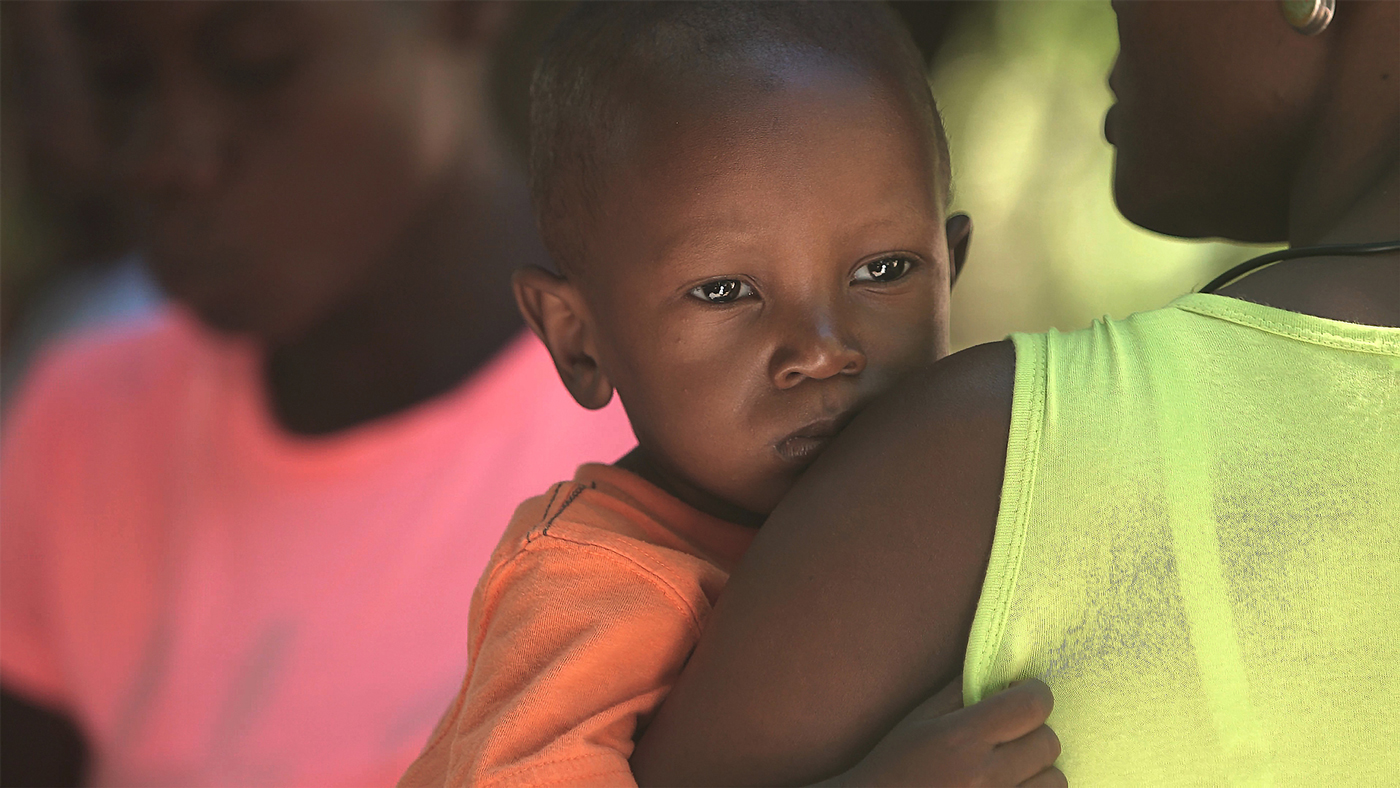
The Widowed Resilience Scale: Navigating Loss with Strength and Grace
Losing a spouse is one of life’s most profound and challenging experiences. It can leave individuals feeling lost, overwhelmed, and unsure of how to move forward. However, amidst the pain and sorrow, many widows and widowers demonstrate incredible resilience, finding ways to cope, adapt, and thrive despite their loss. In this blog, we delve into the concept of resilience among the widowed population and introduce the Widowed Resilience Scale—a tool designed to measure and understand the various aspects of resilience in this demographic. Understanding Resilience in Widowhood: Resilience can be defined as the ability to bounce back from adversity, navigate challenges, and maintain a sense of well-being despite difficult circumstances. In the context of widowhood, resilience takes on a unique dimension. It encompasses emotional, social, and psychological factors that influence how individuals cope with grief, rebuild their lives, and find new sources of meaning and purpose. The Widowed Resilience Scale: The Widowed Resilience Scale (WRS) is a comprehensive assessment tool that aims to capture the multifaceted nature of resilience among widows and widowers. Developed by experts in psychology and bereavement, the WRS comprises various domains and sub-scales that explore different aspects of resilience: Emotional Resilience: This dimension assesses how individuals manage and express their emotions related to grief, sadness, anger, and acceptance. Social Resilience: Examining the social support networks, relationships, and interactions that contribute to a widow’s sense of connectedness and belonging. Coping Strategies: Identifying the coping mechanisms and strategies employed by widows to deal with stress, anxiety, and depression post-loss. Self-Efficacy: Measuring the individual’s belief in their ability to navigate challenges, make decisions, and adapt to life changes effectively. Meaning-Making: Exploring the process of finding new meaning, purpose, and direction in life after the loss of a spouse. Using the WRS: The Widowed Resilience Scale is designed for both research and clinical purposes. Researchers can utilize the scale to gather valuable data on resilience factors among widowed individuals, contributing to a better understanding of grief and adaptation processes. Mental health professionals and counselors can integrate the WRS into their practice to assess clients’ resilience levels, tailor interventions, and support them in their journey of healing and growth. Benefits of the Widowed Resilience Scale: Comprehensive Assessment: The WRS offers a comprehensive assessment of resilience, covering multiple dimensions relevant to widowhood. Personalized Support: By understanding an individual’s resilience profile, professionals can tailor support services and interventions to meet their specific needs. Research Insights: Data gathered through the WRS can contribute to research studies, inform best practices, and enhance the field of bereavement care. Empowering Widows and Widowers: Using the WRS empowers individuals by recognizing their strengths, fostering self-awareness, and promoting a sense of agency in their healing journey. Conclusion: The Widowed Resilience Scale represents a significant advancement in understanding and supporting widows and widowers through their grief and recovery process. By acknowledging the complexity of resilience and providing a structured framework for assessment, the WRS encourages a holistic approach to bereavement care. It underscores the resilience, strength, and potential for growth that exist within individuals facing profound loss, offering hope and empowerment in the face of adversity.