
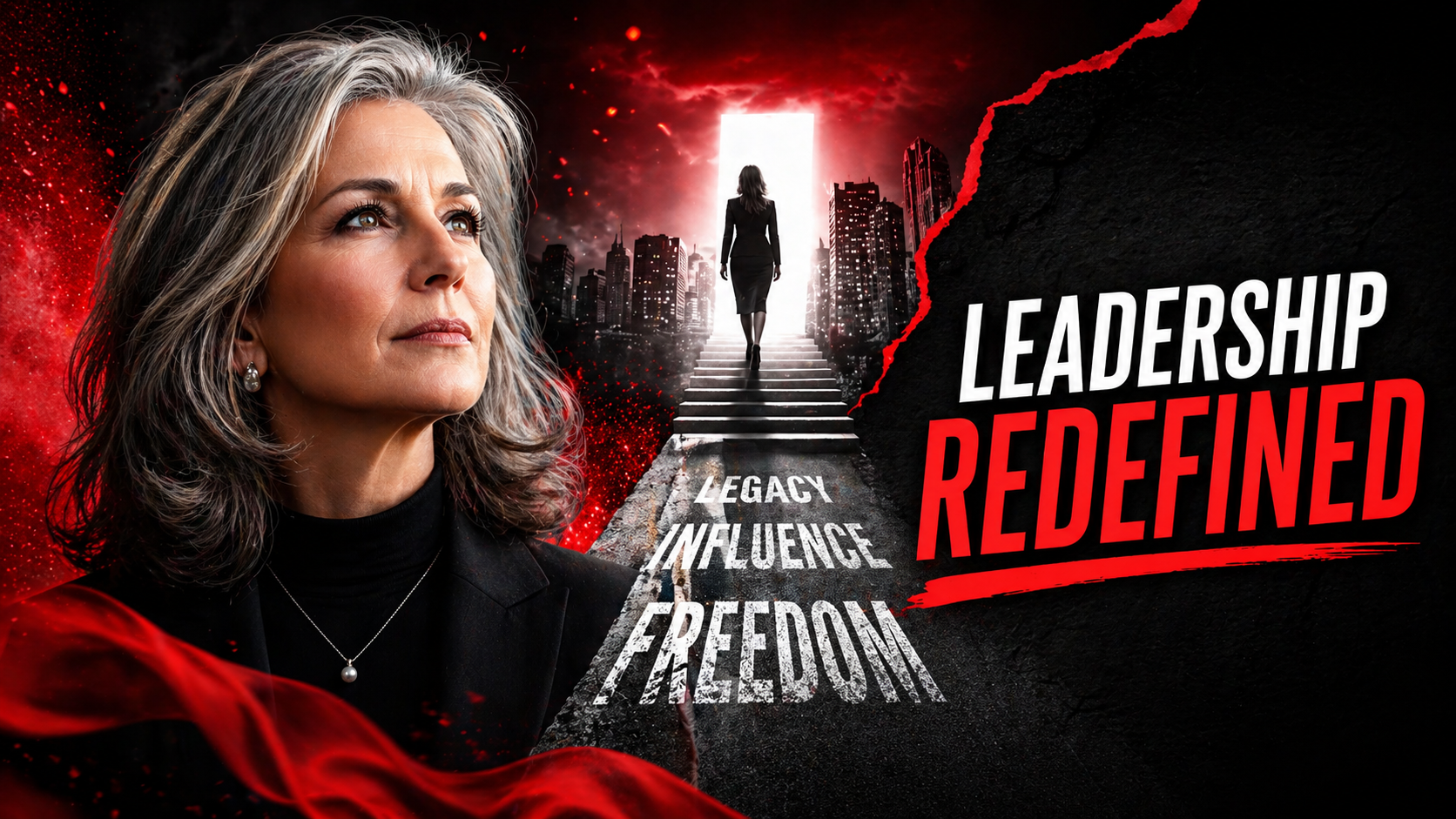
Introduction: When Life Changes, Leadership Begins Leadership is often associated with position, power, or professional authority. But in reality, some of the most powerful forms of leadership are born from life’s most difficult transitions. Widowhood, though deeply personal and often painful, can also become a turning point where identity is rebuilt and purpose is redefined. This is not about replacing what was lost. It is about rebuilding what comes next with strength, clarity, and direction. Across communities and industries, widowed women are increasingly stepping into roles of influence, entrepreneurship, mentorship, and advocacy. Their leadership is not inherited. It is created through resilience. Redefining Leadership Beyond Traditional Boundaries Traditional leadership models often focus on corporate hierarchy or institutional authority. However, modern leadership is far more dynamic. It includes emotional intelligence, community impact, adaptability, and lived experience. Widowed women bring a unique leadership perspective shaped by real-life challenges, including: Emotional resilience developed through personal transition Financial restructuring and independence Responsibility in rebuilding family and future stability Deep empathy and social awareness These experiences shape leaders who are grounded, authentic, and highly adaptive to change. From Survival to Strategy: The Shift in Identity The first transformation after loss is internal. It begins with shifting from survival mode into strategic thinking. This stage is not about rushing recovery. It is about rebuilding identity with intention: Reassessing personal strengths and transferable skills Identifying new opportunities for income and growth Rebuilding confidence through small, consistent wins Setting long-term personal and professional goals This transition is where leadership quietly begins. It is not announced. It is built step by step. Economic Independence as a Form of Leadership Financial independence is one of the strongest foundations of modern leadership. For widowed women, rebuilding financial stability is not just survival—it is empowerment. Opportunities include: Entrepreneurship and small business creation Remote digital work and freelancing careers Skill-based services such as consulting, teaching, or mentoring Community-based initiatives and cooperatives Economic control creates decision-making power, and decision-making power defines leadership. Community Influence: Leadership That Multiplies Impact True leadership extends beyond self-growth. Widowed women often become powerful voices within their communities. They contribute through: Mentoring others experiencing similar transitions Participating in social development programs Leading support groups or advocacy networks Inspiring younger generations through lived experience This form of leadership is not driven by authority, but by authenticity and trust. Emotional Strength as a Leadership Asset In many leadership discussions, emotional strength is underestimated. Yet it is one of the most critical qualities in today’s uncertain world. Widowed women often develop: High emotional awareness and empathy Strong decision-making under pressure Ability to adapt to unpredictable change Deep understanding of human relationships These traits make them effective leaders in both professional and social environments. Building a Future-Oriented Leadership Identity Redefining leadership also means preparing for the future. This involves continuous learning and adaptation. Key focus areas include: Digital literacy and online presence building Personal branding and storytelling Skill development aligned with emerging industries Financial planning and long-term stability strategies Leadership today is visible, digital, and globally connected. Presence matters as much as performance. Breaking Social Perceptions and Reclaiming Narrative One of the strongest challenges widowed women face is social perception. However, leadership begins when narrative control shifts inward. Instead of being defined by loss, leadership is defined by action: Choosing direction instead of limitation Creating opportunities instead of waiting for them Rebuilding identity instead of staying in labels This shift transforms perception from sympathy to respect. Conclusion: Leadership After Loss Is Leadership Reborn Widowhood does not end leadership potential. In many cases, it becomes the beginning of a deeper, more meaningful form of leadership. This leadership is not loud. It is not dependent on titles. It is built through persistence, emotional intelligence, and the courage to rebuild life with intention. When widowed women step into leadership roles, they do more than change their own lives. They reshape families, communities, and future generations.

The Power of Female Leadership: Women in Politics Changing the World By Irtaza Bilal, Founder of Go Daughters
In every era, humanity witnesses turning points powerful enough to redefine history. Today, that turning point is the unstoppable rise of women in political leadership. Their presence is not just symbolic. It is structural. It is strategic. It is changing societies, rewriting priorities, and restoring balance where power once felt one-sided. For centuries, politics has been defined by dominance, competition, and hierarchy. But women leaders are introducing something radically different: collaboration, empathy, accountability, and long-term vision. This shift is not subtle. It is seismic. And the world is finally starting to feel its impact. The world does not simply need more leaders. It needs better leaders. It needs leaders who can heal, who can unify, who can listen, who can build even in the middle of chaos. Women are proving, time and time again, that they are not only capable of leading but capable of leading in ways that genuinely transform lives. A Leadership Style That Redefines Power Women leaders consistently demonstrate strengths that modern governance desperately demands. They lead with empathy.They build systems rooted in community needs, not political games. Empathy in leadership means decisions that protect people, not positions. They lead with collaboration.They create bridges where others create walls. Their leadership thrives on dialogue, shared responsibility, and collective empowerment. They lead with resilience.Women rise despite barriers. They lead despite being questioned. They deliver results despite limited representation. Their strength does not come from authority but from lived experience, and that experience shapes wise, grounded decisions. Today’s political climate demands precisely this brand of leadership. The world is tired of conflict-driven decision making. Tired of loud voices with empty promises. Tired of leadership that prioritizes power over people. Women leaders offer an alternative that feels more human—and more effective. A Global Shift That Cannot Be Ignored From prime ministers to members of parliament, from grassroots activists to global negotiators, women are actively redefining political landscapes. Not silently. Not gradually. But powerfully. They are pushing forward policies that uplift families, strengthen education systems, expand healthcare access, advance human rights, and prioritize sustainable futures. When women lead: Conflict is approached with diplomacy rather than aggression. Economic policies prioritize equality and opportunity. Communities become central to national agendas. Transparency increases because accountability becomes non-negotiable. These are not predictions. These are documented realities. Around the world, countries with greater representation of women in politics see stronger development, reduced corruption, and more inclusive growth. The Urgent Need for More Women in Leadership This is not just a celebration of achievements. It is a call to action. Because the world—right now—needs more women stepping into political roles, shaping decisions, and influencing systems. We cannot wait for the “right time.” The right time is now.We cannot wait for permission. Leadership is not granted; it is claimed. Every young girl watching the rise of women in politics must know one thing clearly: this is your space too.Your ideas matter. Your voice matters. Your leadership can shape nations. Go Daughters: A Movement for Global Female Leadership As Founder of Go Daughters, Irtaza Bilal advocates not just for representation, but for empowerment that turns potential into power. Go Daughters champions global awareness, leadership education, mentorship, and the belief that every woman can rise to positions that influence, shape, and lead. Because the future will not just have women in leadership.The future will be stronger because women lead. A Future Built on Courage, Vision, and Change Women in politics are not changing the world slowly. They are changing it boldly. Their leadership is not a trend. It is a necessity. It is a global shift that demands recognition, support, and expansion. If we want nations that thrive, communities that feel heard, and systems that prioritize people over politics—then empowering female leadership is not optional. It is urgent. It is transformative. It is the path forward. The world is changing.Women are leading that change.And this is only the beginning.