

The story of women in politics is not a side note of history. It is one of its most powerful, unfinished chapters. Every constitution written, every law passed, every budget approved carries the imprint of who was allowed to sit at the table and who was pushed outside the room. For centuries, women were expected to accept decisions made for them, about them, without them. Today, women have entered parliaments, cabinets, councils, and global institutions, yet true equality in political power remains painfully out of reach. This is not a symbolic struggle. This is about who controls resources, who defines justice, who decides the future of nations. The urgency is real, and the cost of delay is global. Progress has happened, but progress is not the same as equality. Women have proven again and again that they are capable leaders, crisis managers, lawmakers, and peacebuilders. Still, political systems across the world remain structurally biased, culturally resistant, and economically exclusionary. Representation is improving in numbers, but influence is still uneven. Visibility is rising, but authority is often limited. Women currently hold only a fraction of political power worldwide, and that gap shapes everything else. Policies on education, healthcare, climate action, labor rights, and social protection look very different when women are not equally represented. Political inequality does not stay in politics. It spills into homes, schools, workplaces, and communities. The barriers women face in politics are not accidental. They are designed, repeated, and normalized.From early childhood, leadership is coded as masculine. Girls are encouraged to be cooperative, not commanding. Assertive boys are praised, assertive girls are questioned. By the time politics enters the picture, confidence gaps have already been engineered. Economic barriers remain one of the most powerful gatekeepers. Campaigns cost money. Networks matter. Donors often trust men more with power and capital. Women, especially from marginalized communities, face a double burden of limited resources and higher scrutiny. A mistake by a woman is used to discredit women as a whole. A mistake by a man is treated as individual failure. Cultural resistance still shapes political reality. In many societies, women entering politics are framed as neglecting their families, violating tradition, or threatening social order. Online harassment, character assassination, and gender-based violence are now common tools used to silence women leaders. This is not coincidence. It is intimidation disguised as public discourse. Even when women enter political spaces, the system rarely adapts to them. Parliamentary schedules ignore caregiving responsibilities. Political parties sideline women into symbolic roles. Leadership positions remain dominated by men who set the rules, control agendas, and decide who gets promoted. Inclusion without power is not equality. It is decoration. Yet despite all of this, women keep rising.They rise from grassroots movements, student unions, local councils, civil society, and activism. They rise during crises, when traditional leadership fails. They rise not because the path is easy, but because the stakes are too high to stay silent. Countries with higher women’s political participation consistently show better outcomes. Stronger social safety nets. More investment in health and education. More transparent governance. More inclusive economic policies. This is not ideology. This is evidence. Women do not lead better because they are women. They lead better because diversity improves decision-making, and lived experience expands perspective. The global conversation must now shift from celebration to acceleration. It is no longer enough to praise the first woman, the only woman, or the token woman. Equality does not mean opening the door and hoping women walk through. It means rebuilding the room so everyone can stay, speak, and lead. Political parties must move beyond performative commitments. Gender quotas, when designed and enforced properly, work. Leadership pipelines must be intentional. Mentorship, funding access, and protection mechanisms are not favors. They are corrective tools for historical exclusion. Media must change how women leaders are covered. Policies should matter more than appearance. Decisions should matter more than tone. Male leaders are evaluated on competence. Women are still evaluated on likability. This double standard shapes public perception and electoral outcomes. Education systems must raise politically confident girls, not obedient ones. Civic education, debate culture, leadership training, and role models should start early. Girls must see power as something they can hold, not something they must request permission to touch. Men in power must stop seeing gender equality as a women’s issue. It is a democratic issue. A governance issue. A future issue. Power that excludes half the population is not stable, legitimate, or sustainable. This is where the urgency lies.The world is facing climate breakdown, economic inequality, conflict, and social fragmentation. Decisions made today will shape generations. Excluding women from equal political power is not just unjust. It is reckless. The journey toward equality in politics is unfinished, but it is not directionless. The path is visible. The evidence is clear. The voices are ready. What remains is the courage to dismantle systems that benefit from imbalance and replace them with structures that reflect humanity as it truly is. Women in politics are not asking for special treatment. They are demanding equal ground. And until that ground is secured everywhere, the promise of democracy remains incomplete.
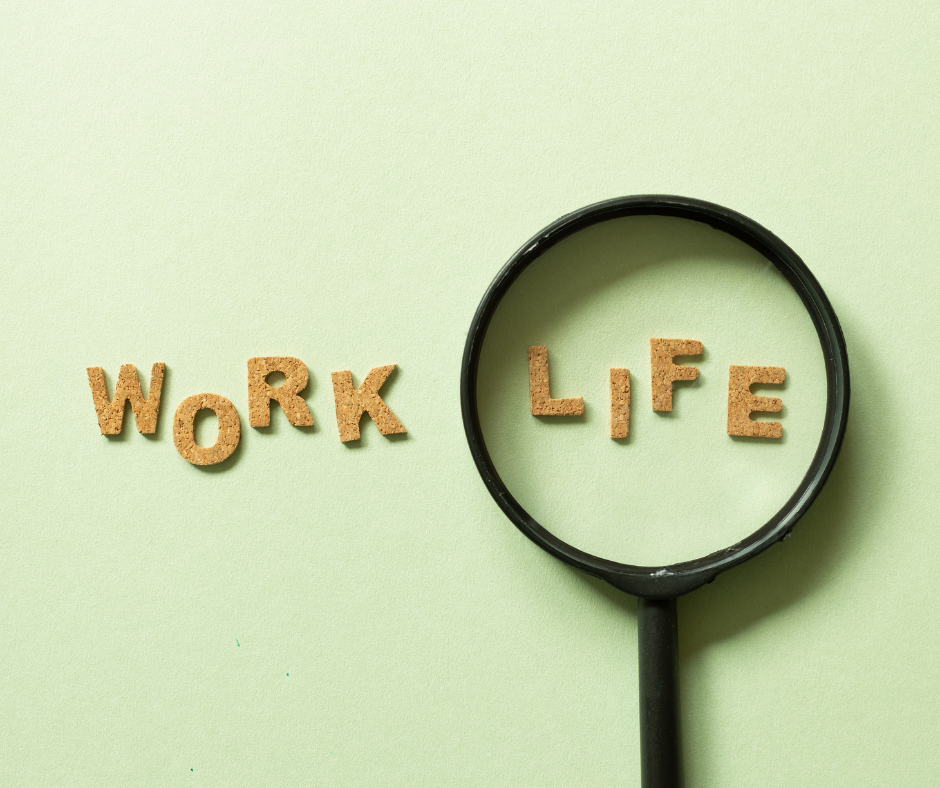
Balancing Act: Managing Family Stress Alongside Work Challenges
The Silent Struggle No One Talks About In the whirlwind of life, between deadlines, meetings, emails, school runs, doctor appointments, and emotional breakdowns, something crucial gets lost: you. Modern professionals aren’t just working harder; they’re living two full-time lives. One at work. One at home. The real challenge? Managing the emotional collision between the two. This is the unspoken burden carried by millions—juggling workplace pressure while navigating family stress. And here’s the raw truth: most people are silently drowning. If you’re reading this, chances are you’ve felt that strain too. You’ve asked:“How do I stay strong for my family when I’m breaking at work?”“How do I focus on my job when things are falling apart at home?” This article is your wake-up call. It’s time to address the emotional, professional, and human reality of this balancing act—and why we must act urgently to protect our well-being, our families, and our futures. Why This Balance Is Breaking Us Let’s be honest. The glorification of “hustle” has created a crisis of identity and purpose. You’re expected to be the perfect employee, the perfect parent, the perfect partner—and smile while you’re at it.But behind that smile, anxiety brews. Burnout builds. Relationships suffer. Children notice. Partners feel neglected. And still, you tell yourself: “I’m fine. This is just how life is.” No, it’s not.This isn’t balance. It’s burnout. And it’s time to reclaim your peace, your power, and your priorities. The True Cost of Ignoring Family Stress While Managing Work Pressures Let’s break it down—because this is no longer just about productivity.It’s about survival, legacy, and well-being. Ignoring family stress leads to: Disconnected relationships with children and partners Increased anxiety, depression, and emotional fatigue Lower performance and focus at work Poor decision-making Long-term health consequences Work doesn’t happen in a vacuum. And neither does family.If one suffers, the other eventually collapses too. Reclaiming the Balance: It Starts with Awareness and Action This isn’t about perfection—it’s about progress, protection, and purpose. You don’t need another motivational quote. You need real strategies. Human strategies. Urgent strategies. Here’s how to take control before life takes over. 1. Acknowledge the Dual Pressure—Without Shame The first step toward reclaiming balance is acknowledging the truth:You are under pressure from both ends. And that’s okay.Shame is a silencer. It convinces you to keep your struggles hidden. But growth begins with awareness. Speak about it. Accept it. Share it with those you trust. 2. Build Boundaries Like Your Life Depends on It—Because It Does Work-life balance is not about hours—it’s about emotional presence.If you’re physically with your family but mentally still on Slack or in that Zoom meeting, you’re not really present. Set hard boundaries: No work emails after 7 PM Family dinners with phones away Breaks during the day to reconnect with your loved ones Boundaries are not a weakness—they’re a strength that protects what matters. 3. Prioritize Family Conversations You talk to your team every day, don’t you? You check in, give feedback, collaborate.Why not do the same with your family? Set up weekly family meetings. Ask what your kids are feeling. Share your work stress with your partner, not as a burden but as a connection point. Communication is the bridge between the chaos of work and the comfort of home. Build that bridge often. 4. Redefine Success Before It’s Too Late What is success, really? A bigger title? A raise? A new deal?Or is it having dinner with your child who missed you all day?Is it being emotionally available when your partner needs you? Redefine success. Make it more human. More sustainable. More soul-aligned. Because at the end of it all, your loved ones won’t remember your LinkedIn endorsements.They’ll remember if you were there when it mattered. 5. Seek Help—You Weren’t Meant to Do It All Alone There is strength in asking for help.Therapists. Coaches. Support groups. Trusted friends. Even leadership mentors who understand this dual pressure. You don’t have to carry this alone. And you shouldn’t. Reaching out for help isn’t an admission of failure—it’s a declaration of self-respect. Why the Time to Act Is Now Every moment you delay reclaiming balance, the price gets higher.Your health.Your marriage.Your mental peace.Your legacy as a parent and partner. The balance doesn’t find itself.It is created—intentionally, urgently, and unapologetically. This is not just about managing your life—it’s about protecting the very essence of who you are. Take the First Step Today Here’s what you can do right now: Write down three things causing stress at work and at home. Identify which one you can take action on in the next 24 hours. Set a firm boundary for the next 7 days—test it, respect it, and reflect on how it feels. Have one meaningful conversation with a loved one tonight. Do not wait for a breakdown to learn the importance of balance.Start now. Start today. Protect what matters. Your family needs you. Your career deserves you. But above all, you need you.Balance is not a myth. It’s a commitment. One decision at a time.Choose wisely. Choose now.