

Grieving is one of the most profound and personal experiences a human can face. The loss of a loved one, the end of a relationship, or even the shattering of a dream can leave a person feeling adrift, overwhelmed, and emotionally raw. Yet, while grief is universal, many of us unknowingly fall into patterns that slow our healing, deepen our pain, or even create long-term emotional scars. Understanding what not to do while grieving is just as critical as knowing how to care for yourself in the midst of sorrow. 1. Do Not Suppress Your EmotionsOne of the most common mistakes is bottling up feelings. Society often pressures us to “be strong” or “move on,” but grief is not a race. Suppressing sadness, anger, guilt, or confusion can lead to long-term emotional and even physical consequences. Cry, scream, write, or speak about your feelings — let them flow instead of burying them. 2. Avoid Isolating Yourself CompletelyIt might feel natural to retreat from the world, but isolation can intensify grief. Human connection is a powerful tool for healing. Surround yourself with understanding friends, family, or support groups. Even a brief conversation or shared silence with someone who cares can remind you that you are not alone in your pain. 3. Do Not Rush the ProcessGrief has no timeline. Forcing yourself to “get over it” quickly or comparing your journey to others’ can create unnecessary pressure. Each person’s process is unique. Give yourself permission to take the time you need to grieve, reflect, and slowly rebuild. 4. Avoid Self-Destructive BehaviorsTurning to alcohol, drugs, excessive work, or other harmful coping mechanisms might feel like temporary relief, but they only delay healing and can create additional problems. Instead, focus on nurturing activities: journaling, walking in nature, meditation, or practicing gratitude for small daily blessings. 5. Do Not Ignore Professional Help if NeededGrief can sometimes lead to depression, anxiety, or prolonged emotional distress. Seeking therapy or counseling is not a sign of weakness; it is an act of courage. A professional can provide guidance, coping strategies, and a safe space to process intense emotions. 6. Avoid Overlooking Your Physical HealthEmotional pain often manifests physically — disrupted sleep, fatigue, or weakened immunity. Maintaining a basic routine with proper nutrition, hydration, and gentle exercise can support your emotional healing. Your body and mind are interconnected; caring for one aids the other. Grief is undeniably painful, but it is also an opportunity for transformation. By recognizing what not to do while grieving, you can protect yourself from unnecessary suffering and create a pathway toward acceptance, resilience, and renewed purpose. Remember: healing does not mean forgetting; it means learning to live fully while honoring what you have lost.
Knowing Where to Start and When to Shift: The Strategic Mindset Behind Every Successful Journey
When you decide to build a business, a dream, or a legacy, the first and most powerful step is knowing where to start. But an equally powerful lesson, often ignored, is knowing when to shift. Many entrepreneurs begin with fire in their hearts and clarity in their heads. But along the way, markets change, people evolve, economies shift, and priorities realign. What separates those who rise from those who disappear is the courage to adapt and the intelligence to course-correct. Success is not about starting fast.Success is about starting right — and shifting smart. The Silent Failure Most People Never Notice Most dreams die not because people don’t try, but because they keep running in the same direction long after the road has ended. They get attached to their first idea. Their pride blinds their vision. They confuse consistency with stubbornness. Business is not a straight highwayIt is a terrain full of bends, turns, hills, and surprises.Staying rigid is not loyalty to your vision — it is the slowest path to failure. Winners Ask Themselves Where am I starting from?What resources do I have now?What skills must I build next?Where am I heading?And most importantly:Is this direction still right for the future I want? The world rewards those who observe, adjust, and evolve. If something is not working — shift.If the strategy is outdated — shift.If your environment no longer supports growth — shift.If your heart whispers that you are meant for more — shift now, not someday. Shifting is not quitting.Shifting is alignment.Shifting is intelligence.Shifting is survival.Shifting is growth. The Urgency of NOW You don’t have unlimited time.You don’t have unlimited opportunities.Every moment you delay a shift, you are paying in time — the most expensive currency you will ever spend. New age entrepreneurship demands speed, clarity, resilience, and adaptability.If you want to lead, if you want visibility, if you want authority, if you want global positioning — start now, and be ready to shift faster than the world changes. You are not here to play safe.You are here to build something that will outlive you.Start with purpose — shift with strategy — finish with legacy. Remember:You lose only when you stay stuck.The world belongs to the ones who have the courage to begin — and the wisdom to pivot. Take action.Now.Not tomorrow.Not someday.Today is your shift point.

The Forgotten Voices: How Kashmir’s Half-Widows Are Silently Denied Their Basic Property Rights
In the heart of Kashmir, where mountains echo resilience and rivers whisper stories of loss, there exists a haunting silence — the silence of the half-widows. These are the women whose husbands have disappeared in conflict, leaving them trapped between hope and despair, between social identity and legal invisibility. For decades, they have waited, not just for their loved ones, but for justice, recognition, and their most basic human right — the right to property. A Life Suspended Between Two Worlds For a Kashmiri woman whose husband goes missing, life does not move forward. She is neither considered a widow nor treated as a wife. This in-between status — known as a “half-widow” — strips her of legal, financial, and emotional stability.Under existing laws and societal norms, property rights depend heavily on the husband’s status — alive or dead. When his fate remains unknown, the woman remains in limbo. She cannot inherit land, transfer ownership, or claim her share. Bureaucracy hides behind technicalities, and families, at times, hide behind customs that deny women their due. What begins as a personal tragedy becomes a systemic injustice — one that quietly erases the dignity and rights of thousands of Kashmiri women. The Weight of Waiting Many half-widows in Kashmir live decades without closure. They fight a daily battle — emotionally, financially, and socially. Without their husband’s death certificate, they cannot claim property, remarry, or even access government support in many cases.In a region where conflict has redefined normalcy, these women remain invisible victims of legal loopholes and cultural constraints. Their struggles are not just about land or inheritance — they are about identity, belonging, and survival. The law may speak of equality, but its silence on their plight is deafening. Without reforms that recognize the unique realities of half-widows, the promise of justice remains an illusion. Society’s Role: Tradition or Suppression? Beyond legal failure lies a deeper, more painful truth — the societal mindset. Many families deny half-widows their rights under the pretext of protection or reputation. They are told to wait “a few more years,” to stay silent, to remain patient.But patience is not justice.When a woman loses access to her home, land, or savings, she loses more than property — she loses agency. Denying her property rights is denying her independence, dignity, and voice. A Call for Urgent Reform It is time to break the silence.Kashmir cannot claim progress while half-widows continue to be denied their legal and moral rights. Policymakers, activists, and society at large must step forward with courage and compassion. Legal reforms must establish clear timelines for declaring missing persons and empower half-widows to claim inheritance rights without bureaucratic hurdles. Community awareness must challenge traditional biases and encourage families to support women’s legal entitlements. Civil society and NGOs must continue documenting their stories and advocating for their inclusion in public policy. Every land right denied to a half-widow is a wound to justice. Every silence maintained is complicity. The Human Cost of Neglect Behind every statistic is a story — a mother raising children alone, a woman fighting for a roof over her head, a life left in uncertainty. The half-widows of Kashmir remind us that the cost of conflict is not only measured in lives lost but also in lives left behind. Recognizing their property rights is not charity — it is justice long overdue. It is time the system saw them not as “half” of anything, but as full citizens deserving of dignity, rights, and peace. Act Now — Because Justice Delayed Is Justice Denied Let this not be another story forgotten in the pages of reports and policy debates. The women of Kashmir have waited long enough. It’s time to listen, to act, and to rewrite the laws of silence. Their right to property is their right to exist.

The Journey Within: A Powerful Guide to Emotional Healing and True Self-Acceptance
In a world that constantly pushes us to achieve, compare, and compete, many silently struggle with emotional wounds that never truly heal. Emotional healing and self-acceptance are not luxuries—they are necessities for living a meaningful, peaceful, and fulfilled life. Yet, too many people delay this inner work, thinking time alone will mend what’s broken. The truth is, healing is a choice—one that requires courage, awareness, and compassion. Understanding Emotional Healing Emotional healing is the process of identifying, understanding, and transforming the pain that has shaped your thoughts, behaviors, and relationships. It’s not about forgetting or ignoring what hurt you—it’s about learning to hold that pain differently. Healing invites you to stop running from your emotions and instead listen to what they’re trying to tell you. Every heartbreak, betrayal, and disappointment leaves an imprint. When unhealed, these emotional scars quietly dictate our choices, keeping us stuck in cycles of fear, guilt, and self-doubt. But when acknowledged, they become the foundation for strength, wisdom, and deeper empathy. The Role of Self-Acceptance in Healing You cannot truly heal if you do not accept yourself as you are—flaws, failures, and all. Self-acceptance means recognizing your worth without conditions. It means no longer waiting for someone else’s approval to feel enough. The most profound healing begins the moment you look at yourself in the mirror and say, “I am still deserving of love, even with my imperfections.” We live in an era that glorifies perfection. Social media filters, external validation, and unrealistic standards have made many feel inadequate. But real power lies in authenticity. When you stop pretending and start embracing your truth, you create space for transformation. You begin to live, not perform. Steps Toward Emotional Healing and Self-Acceptance Acknowledge Your Pain: Healing starts with honesty. Allow yourself to feel. Avoiding emotions only buries them deeper. Forgive Yourself and Others: Forgiveness isn’t about approval—it’s about liberation. Release the burden of resentment. Practice Mindful Awareness: Be present with your emotions without judgment. Awareness transforms pain into purpose. Seek Support: Healing is not a solo journey. Speak to a therapist, join a community, or confide in a trusted friend. Rebuild with Compassion: Treat yourself like someone you love. Every small act of kindness toward yourself builds strength. Let Go of Comparison: Your journey is uniquely yours. Measuring it against others only steals your peace. Celebrate Growth: Every step forward—no matter how small—is progress. Acknowledge it, and keep moving. Why You Must Begin Now Time does not heal wounds—intention does. Every day you delay your healing, you carry old pain into new moments. Emotional baggage weighs down your joy, blocks your creativity, and limits your potential. You deserve freedom. You deserve peace. You deserve to feel whole again. Don’t wait for a crisis to begin your healing. The right time is now. Start today—write that journal entry, have that hard conversation, forgive that version of yourself, and take one small, conscious step toward peace. The world doesn’t need a perfect you—it needs the real, healed you. Final Thoughts Healing is not linear. There will be setbacks, and there will be moments of doubt. But each time you choose to keep going, you reclaim your power. Emotional healing and self-acceptance are not destinations—they are daily practices that lead to profound inner peace and strength. Remember: You are not your past. You are not your mistakes. You are the author of your own rebirth. Start your journey within today—because healing yourself is the most revolutionary act of love you can ever commit to.

Uncovering the Wholeness Within: The Journey Back to Your True Self
In the rush of modern life, we often forget the simplest truth — we are already whole. Yet every day, society, expectations, and constant comparison chip away at our inner peace. We spend years chasing validation, success, or acceptance, believing these will complete us. But true wholeness doesn’t come from external achievements — it comes from rediscovering the balance that already exists within. Uncovering the wholeness within is not a luxury; it’s a necessity. It’s the foundation of purpose, resilience, and clarity — the very essence of a fulfilled life. The Silent Struggle: A World That Demands More but Gives Less We live in an age where productivity is mistaken for worth. People wear exhaustion like a badge of honor. But beneath the surface lies quiet desperation — a longing to be seen, heard, and understood. We fill the emptiness with distractions, scrolling endlessly, chasing fleeting happiness that never truly satisfies. The truth is, you don’t need more to become whole. You need less noise, less chaos, and more connection — to yourself. The Power of Stillness Wholeness begins when you stop running. When you pause long enough to listen to your own voice — the one that has been drowned out by external demands. Meditation, reflection, prayer, or even a quiet walk in nature can awaken this forgotten connection. In stillness, we remember who we are beyond our roles and responsibilities. Stillness is not weakness; it’s power. It’s in silence that the mind resets, the soul breathes, and clarity returns. Healing the Divide Within Most people live split lives — one face for the world and another hidden within. The gap between who we are and who we pretend to be is the root of our suffering. Healing begins when we accept every part of ourselves — the light and the shadow, the strength and the fear. You cannot reject your wounds and expect to feel whole. Acceptance transforms pain into wisdom. It’s about embracing the totality of your being, with compassion and courage. Reconnecting Purpose and Presence Wholeness is not about perfection; it’s about alignment. When your actions, thoughts, and values move in the same direction, you experience true peace. That alignment gives rise to purpose — a reason to wake up every morning knowing you are contributing to something greater than yourself. Ask yourself: What do I truly value? Am I living in harmony with those values? When you live in alignment, even challenges become lessons, not obstacles. The Urgency to Return to Yourself Now is the time to stop waiting for “someday.” The world needs grounded, self-aware individuals — people who lead with integrity, empathy, and purpose. You cannot pour from an empty cup, and the world cannot heal when its people are fragmented. Uncovering your wholeness is not just self-care — it’s a service to humanity. When you rise in consciousness, you lift others too. Every moment you delay rediscovering your wholeness, you deny yourself the peace you deserve and the world the strength it needs. Take Action Today Pause. Reflect. Heal. Ask yourself: What am I running from? What part of myself have I neglected? Start small — but start now. Reclaim your voice. Rebuild your balance. Redefine your worth. Because within you lies everything you’ve ever been searching for. The time to uncover the wholeness within is now.

Balancing Act: Managing Family Stress Alongside Work Challenges
The Silent Struggle No One Talks About In the whirlwind of life, between deadlines, meetings, emails, school runs, doctor appointments, and emotional breakdowns, something crucial gets lost: you. Modern professionals aren’t just working harder; they’re living two full-time lives. One at work. One at home. The real challenge? Managing the emotional collision between the two. This is the unspoken burden carried by millions—juggling workplace pressure while navigating family stress. And here’s the raw truth: most people are silently drowning. If you’re reading this, chances are you’ve felt that strain too. You’ve asked:“How do I stay strong for my family when I’m breaking at work?”“How do I focus on my job when things are falling apart at home?” This article is your wake-up call. It’s time to address the emotional, professional, and human reality of this balancing act—and why we must act urgently to protect our well-being, our families, and our futures. Why This Balance Is Breaking Us Let’s be honest. The glorification of “hustle” has created a crisis of identity and purpose. You’re expected to be the perfect employee, the perfect parent, the perfect partner—and smile while you’re at it.But behind that smile, anxiety brews. Burnout builds. Relationships suffer. Children notice. Partners feel neglected. And still, you tell yourself: “I’m fine. This is just how life is.” No, it’s not.This isn’t balance. It’s burnout. And it’s time to reclaim your peace, your power, and your priorities. The True Cost of Ignoring Family Stress While Managing Work Pressures Let’s break it down—because this is no longer just about productivity.It’s about survival, legacy, and well-being. Ignoring family stress leads to: Disconnected relationships with children and partners Increased anxiety, depression, and emotional fatigue Lower performance and focus at work Poor decision-making Long-term health consequences Work doesn’t happen in a vacuum. And neither does family.If one suffers, the other eventually collapses too. Reclaiming the Balance: It Starts with Awareness and Action This isn’t about perfection—it’s about progress, protection, and purpose. You don’t need another motivational quote. You need real strategies. Human strategies. Urgent strategies. Here’s how to take control before life takes over. 1. Acknowledge the Dual Pressure—Without Shame The first step toward reclaiming balance is acknowledging the truth:You are under pressure from both ends. And that’s okay.Shame is a silencer. It convinces you to keep your struggles hidden. But growth begins with awareness. Speak about it. Accept it. Share it with those you trust. 2. Build Boundaries Like Your Life Depends on It—Because It Does Work-life balance is not about hours—it’s about emotional presence.If you’re physically with your family but mentally still on Slack or in that Zoom meeting, you’re not really present. Set hard boundaries: No work emails after 7 PM Family dinners with phones away Breaks during the day to reconnect with your loved ones Boundaries are not a weakness—they’re a strength that protects what matters. 3. Prioritize Family Conversations You talk to your team every day, don’t you? You check in, give feedback, collaborate.Why not do the same with your family? Set up weekly family meetings. Ask what your kids are feeling. Share your work stress with your partner, not as a burden but as a connection point. Communication is the bridge between the chaos of work and the comfort of home. Build that bridge often. 4. Redefine Success Before It’s Too Late What is success, really? A bigger title? A raise? A new deal?Or is it having dinner with your child who missed you all day?Is it being emotionally available when your partner needs you? Redefine success. Make it more human. More sustainable. More soul-aligned. Because at the end of it all, your loved ones won’t remember your LinkedIn endorsements.They’ll remember if you were there when it mattered. 5. Seek Help—You Weren’t Meant to Do It All Alone There is strength in asking for help.Therapists. Coaches. Support groups. Trusted friends. Even leadership mentors who understand this dual pressure. You don’t have to carry this alone. And you shouldn’t. Reaching out for help isn’t an admission of failure—it’s a declaration of self-respect. Why the Time to Act Is Now Every moment you delay reclaiming balance, the price gets higher.Your health.Your marriage.Your mental peace.Your legacy as a parent and partner. The balance doesn’t find itself.It is created—intentionally, urgently, and unapologetically. This is not just about managing your life—it’s about protecting the very essence of who you are. Take the First Step Today Here’s what you can do right now: Write down three things causing stress at work and at home. Identify which one you can take action on in the next 24 hours. Set a firm boundary for the next 7 days—test it, respect it, and reflect on how it feels. Have one meaningful conversation with a loved one tonight. Do not wait for a breakdown to learn the importance of balance.Start now. Start today. Protect what matters. Your family needs you. Your career deserves you. But above all, you need you.Balance is not a myth. It’s a commitment. One decision at a time.Choose wisely. Choose now.

A Heartfelt Tribute to Real-Life Heroines: Happy Mother’s Day 2025
There are days that make us pause. Days that make us reflect. And then there are days that make us feel. Mother’s Day is not just a celebration—it is an awakening. A reminder. A whisper from our hearts that says: “Go hug her. Say thank you. Do something now—because tomorrow is never guaranteed.” Happy Mother’s Day 2025 isn’t just a wish. It’s a call to every daughter, every son, every soul walking this earth to acknowledge the relentless love, invisible sacrifices, and the power of presence that mothers carry without asking for applause. Why Mother’s Day 2025 Must Be Different We’re living in a world that moves fast. We chase success, followers, and fleeting goals. But amid this noise, what if we paused—just for today—and asked: “When was the last time I truly saw my mother?” This Mother’s Day is not about flowers and breakfast trays. It’s about intentional gratitude. About returning the energy she’s poured into us all these years. It’s about giving her more than a card. It’s about giving her our attention, our time, our honor. Mothers are the original entrepreneurs of love. From zero sleep to zero expectations—they build families, hold jobs, nurse wounds, and dream silently for their children. Whether she raised you on her own, stood like a pillar beside a partner, or mentored you like a second mother—today is the day to give back. What You Must Do Now—Before It’s Too Late I am not writing this just to inspire. I am writing this to provoke action. If your mother is still alive—don’t wait to say the things that matter. Don’t wait until she’s tired, ill, or gone. Life is unpredictable. We owe it to ourselves to speak love when it’s still possible to hear it. If you’ve lost your mother—honor her legacy by living fully, generously, and intentionally. Let her dreams continue through your actions. And if you never had the kind of mother others did, or were hurt instead of healed—this day can still be yours. Recognize the women who stood in, supported you, or simply learn to reparent the child within you with grace and compassion. This Isn’t Just a Day. It’s a Movement. Let’s make Mother’s Day 2025 a global awakening. Write that letter. Make that call. Sit beside her. Tell her the stories you never told. Apologize if you must. Celebrate her while she can feel it. And if you are a mother reading this—know this: You are seen. You are enough. You matter more than words can say.

How To Prepare Your Business for Rapid Growth By Dr. Bilal Ahmad Bhat, Founder & CEO of 28COE, SIB Infotech, BAB Group of Companies
The Future Won’t Wait: Is Your Business Truly Ready to Grow Rapidly? The most dangerous moment for any business isn’t when it’s struggling—it’s when success comes faster than expected. You think you’ve made it. Clients are rolling in, your brand is buzzing, and revenues are climbing. But underneath that excitement, there’s a silent killer: lack of preparation for rapid growth. Many businesses collapse not from failure, but from growth they weren’t ready for. This is the hard reality no one talks about. But if you want to scale sustainably, powerfully, and globally, the time to prepare is not tomorrow—it’s now. The Cost of Not Preparing for Growth Too many entrepreneurs treat growth like a reward. It’s not. Growth is a responsibility. Fail to prepare, and you’ll face: Operational overload that crashes your systems Customer dissatisfaction due to poor service delivery Burnout in your team Missed opportunities because you’re too busy surviving Don’t let success destroy what you’ve built. Step 1: Build Your Scalable Foundation Before dreaming about international markets, viral marketing, or investor interest, ask yourself: Is your foundation built for scale? At 28COE – the “28 Credentials of Entrepreneur”, we guide thousands of entrepreneurs through the transition from startup to scale-up. Our global framework empowers businesses with the right mindset, systems, and support to grow consciously and confidently. If your technology, systems, and people can’t handle growth, your success will sabotage itself. Start with these critical questions: Can your product or service be delivered to 10x more customers without sacrificing quality? Is your backend system automated and agile? Do you have documented processes in place? You can’t scale chaos. You can only scale clarity. Step 2: Build a Brand, Not Just a Business Your brand is your promise to the world. When growth hits, your brand must hold strong. That’s where SIB Infotech comes in. Our mission is clear: “We thrive on your success.” From web development to digital marketing to advanced automation, SIB Infotech helps businesses create a remarkable online presence and prepare for long-term scalability. You need a brand that resonates, that tells your story, and that can adapt and evolve as your business expands. Ask yourself: Does your brand reflect your growth vision? Is your online presence scalable and globally accessible? Are your customers emotionally connected to your message? A solid brand doesn’t just attract—it retains, scales, and transforms markets. Step 3: Build Strong Global Relationships Growth is no longer local. It’s global. You cannot grow without a network that supports and multiplies your potential. That’s why we created a constellation of impact platforms to fuel your journey: Global Business Network – A strategic platform to connect with global leaders and disruptors. Global Ghanaian Chamber – A bridge between African potential and global opportunities. Global Kashmir Chamber – Elevating voices from a region of resilience and enterprise. Global Uganda Chamber – Empowering businesses across East Africa. Global Rwanda Chamber – A future-focused movement towards entrepreneurial excellence. These chambers and networks aren’t just connections. They are your springboard into a global stage. When you’re ready to grow rapidly, access is everything. And these platforms give you access that accelerates success. Step 4: Systemize, Don’t Supervise Most businesses hit a wall during growth because their systems aren’t built to function without micromanagement. If everything in your business depends on you, you don’t own a business—you own a job. To scale effectively: Automate repetitive tasks Create a chain of delegation, not dependence Invest in platforms, not just people Growth needs systems that replicate excellence without constant oversight. From customer onboarding to sales to product delivery—every part of your business should be documented, optimized, and delegated. Step 5: Mindset Shift from Owner to Leader To grow fast, you must grow first. Rapid business growth demands a radical shift in leadership mindset. You’re no longer just the founder. You’re a visionary, a builder of teams, and a culture curator. At 28COE, we teach entrepreneurs to: Think exponentially, not incrementally Focus on purpose, not just profit Build legacy, not just leverage Growth without mindset expansion leads to short-term wins and long-term burnout. You need inner strength, clarity, and leadership resilience to hold the weight of rapid growth. The Final Thought: Prepare Before It’s Too Late If you wait until you’re “ready” to scale, you’re already late. Growth is coming for you—either by design or by default. The best prepare early, build wisely, and grow with clarity and confidence. Your next level is not a dream—it’s a decision. Build now. Scale right. Thrive always. Whether you start with the entrepreneurial power of 28COE, the digital growth strategies of SIB Infotech, or you plug into the global chambers of influence, the only wrong move is standing still. Let today be the day you stop managing survival—and start preparing for exponential success. By Dr. Bilal Ahmad Bhat, Founder & CEO of 28COE, SIB Infotech, BAB Group of Companies

Is Personal Branding a Must? The Truth Behind Building Your Brand
The Time to Build Your Personal Brand Is Not Tomorrow—It’s NOW In a world overflowing with information, choices, and competition, the most powerful differentiator is YOU. Not your job title, not your company, not your resume—but your personal brand. So, let’s address the burning question: Is personal branding a must? Yes. Absolutely. Unquestionably. Whether you’re an entrepreneur, a corporate professional, a freelancer, or a student, if you don’t define your brand, the world will define it for you—and not always in your favor. Personal branding is no longer optional; it is the currency of visibility, credibility, and opportunity. What Is Personal Branding, Really? It’s not about selfies, curated feeds, or catchy slogans. It’s about consciously crafting the way the world perceives you. Personal branding is the strategic art of making your values, voice, vision, and expertise visible to the right audience. It’s how you build trust before you even say a word. In today’s attention economy, people don’t just buy products—they buy into people. People follow people. People trust people. People remember people. If your presence isn’t being felt, your potential isn’t being realized. The Wake-Up Call: Why You Can’t Afford to Ignore This Any Longer Every day you delay working on your personal brand is a missed opportunity. A lost connection. An unseen door to growth. Your personal brand is what speaks for you when you’re not in the room. If you’re not actively shaping it, you’re letting chance decide your future. This isn’t about vanity. This is about legacy, impact, and influence. Are you still thinking personal branding is for celebrities or influencers? Think again. Who Needs a Personal Brand? Everyone Who Wants to Be Taken Seriously Entrepreneurs who want to attract customers, partners, or investors. Job seekers who want to stand out in a competitive job market. Professionals who want to grow their careers and be known as thought leaders. Creatives who want to share their art, voice, and value with the world. Students and young leaders who want to shape a future before it’s shaped for them. If you fall into any of these categories—and you do—then you need a strong personal brand. The Power of Visibility: If They Don’t Know You, They Can’t Trust You Let’s be brutally honest: You can be the most talented person in the room, but if no one knows you, it doesn’t matter. Visibility is not arrogance. It’s responsibility. The world needs more bold, authentic, values-driven voices. And right now, yours is silent. Every day that you’re silent, someone less qualified is taking the spotlight you deserve. Every time you choose comfort over visibility, you stay stuck. This is your wake-up call. What Makes a Great Personal Brand? Clarity – Know exactly who you are and what you stand for. Consistency – Align your online and offline presence with your core message. Authenticity – Be unapologetically YOU. People connect with real, not perfect. Visibility – Show up. Speak up. Share your story, your journey, your value. Credibility – Demonstrate expertise through content, thought leadership, and impact. Great brands are not built by accident. They are built by design. How to Start Building Your Personal Brand—Today Define Your Why – What drives you? What problem do you solve? Create a Signature Message – Craft a powerful elevator pitch that reflects your value. Audit Your Digital Presence – What does Google say about you? What does LinkedIn reflect? Produce Thoughtful Content – Blogs, videos, posts. Start sharing your ideas and insights. Network with Purpose – Build relationships, not followers. Engage with communities that align with your mission. Personal branding isn’t built in a day—but it begins the moment you decide to show up. The Consequences of Ignoring Your Personal Brand Still not convinced? Here’s what happens when you don’t take control of your brand: You get overlooked. You lose opportunities. You remain invisible while others advance. You surrender control of your narrative. You become replaceable in a world that rewards uniqueness. If you’re tired of being underestimated, unseen, or unheard—then it’s time to act. This Isn’t About Selling Yourself. It’s About Standing for Something Your personal brand is your platform for impact. It’s the stage where your values meet your voice and your voice shapes your value. Are you ready to be recognized for the work you do? Are you ready to attract the right opportunities, the right people, the right success? Are you ready to lead with identity, not just skill? Then don’t wait. Your personal brand isn’t built later. It’s built NOW. Final Words: The World Needs to Know Who You Are The future belongs to the visible, the valuable, and the vocal. Invisibility is the enemy of influence. If you’re not building your brand, someone else is building the version of you they want the world to see. This is your moment. Your voice matters. Your story matters. Your brand matters. Take action. Start building. Be known, be remembered, be undeniable. Because the truth is this: Personal branding isn’t about being famous. It’s about being unforgettable. And the time to start… is right now.
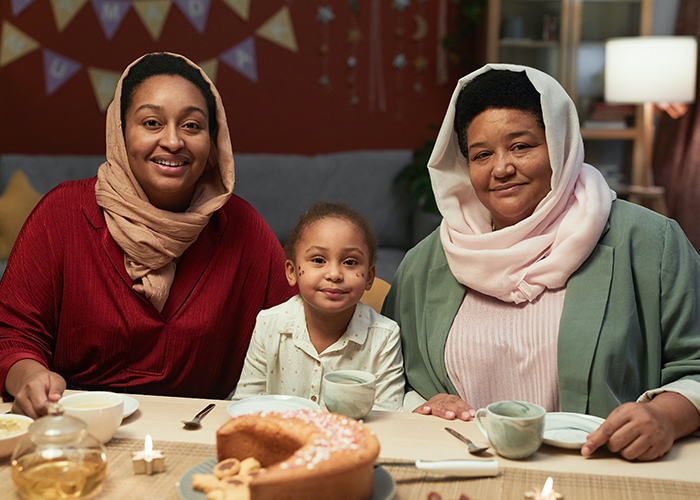
Emerge from the Shadows: Amplifying the Voices of Widows in the Modern Age
The experience of widowhood has undergone significant evolution over the centuries, yet the voices and stories of widows often remain in the shadows, unheard and underrepresented. In the modern age, as society progresses towards greater inclusivity and empathy, it is imperative to amplify the voices of widows, acknowledge their unique challenges, and celebrate their resilience. Historical Context and Stigma Throughout history, widows have faced various forms of stigma, discrimination, and social exclusion. In many cultures, widows were expected to adhere to restrictive mourning practices, often enduring prolonged periods of isolation and limited social interaction. The portrayal of widows in literature, folklore, and media further perpetuated stereotypes and misconceptions, depicting them as pitiable figures devoid of agency and autonomy. Changing Narratives and Empowerment Fortunately, societal attitudes towards widowhood have shifted in recent decades, albeit gradually. There is a growing recognition of the strength, resilience, and potential for empowerment among widows. Initiatives and advocacy efforts aimed at supporting widows’ rights, providing access to education, healthcare, and economic opportunities, have gained momentum on both local and global scales. Challenges Faced by Widows Today Despite these positive strides, widows continue to encounter numerous challenges in the modern age. Economic instability, legal hurdles, social stigma, and lack of support networks are among the persistent barriers they face. Additionally, cultural norms and gender inequalities in certain regions exacerbate the vulnerabilities of widowed women, leaving them marginalized and overlooked. Empowering Widows through Education and Advocacy Education and advocacy play pivotal roles in empowering widows and elevating their voices. By promoting education and skills development, widows can gain financial independence, enhance their self-esteem, and contribute meaningfully to their communities. Advocacy efforts focused on legal reforms, social protection programs, and awareness campaigns help dismantle systemic barriers and foster a more inclusive society. The Role of Technology and Connectivity In the digital age, technology serves as a powerful tool for amplifying the voices of widows. Social media platforms, online communities, and digital storytelling initiatives provide avenues for widows to share their experiences, connect with peers, and advocate for change on a global scale. Technology also facilitates access to information, resources, and support services, bridging geographical barriers and expanding opportunities for widows’ empowerment. Celebrating Resilience and Inspiring Change It is essential to celebrate the resilience, strength, and contributions of widows to society. Their stories of courage, determination, and resilience inspire us to challenge stereotypes, break down barriers, and create a more inclusive world where widows are valued, respected, and empowered to fulfill their potential. Conclusion As we navigate the complexities of the modern age, let us emerge from the shadows and stand in solidarity with widows worldwide. By amplifying their voices, advocating for their rights, and fostering a culture of inclusivity and empowerment, we can create a brighter and more equitable future for all. Widows are not just survivors; they are agents of change, embodying resilience, grace, and the enduring spirit of hope.