

In the heart of Kashmir, where mountains echo resilience and rivers whisper stories of loss, there exists a haunting silence — the silence of the half-widows. These are the women whose husbands have disappeared in conflict, leaving them trapped between hope and despair, between social identity and legal invisibility. For decades, they have waited, not just for their loved ones, but for justice, recognition, and their most basic human right — the right to property. A Life Suspended Between Two Worlds For a Kashmiri woman whose husband goes missing, life does not move forward. She is neither considered a widow nor treated as a wife. This in-between status — known as a “half-widow” — strips her of legal, financial, and emotional stability.Under existing laws and societal norms, property rights depend heavily on the husband’s status — alive or dead. When his fate remains unknown, the woman remains in limbo. She cannot inherit land, transfer ownership, or claim her share. Bureaucracy hides behind technicalities, and families, at times, hide behind customs that deny women their due. What begins as a personal tragedy becomes a systemic injustice — one that quietly erases the dignity and rights of thousands of Kashmiri women. The Weight of Waiting Many half-widows in Kashmir live decades without closure. They fight a daily battle — emotionally, financially, and socially. Without their husband’s death certificate, they cannot claim property, remarry, or even access government support in many cases.In a region where conflict has redefined normalcy, these women remain invisible victims of legal loopholes and cultural constraints. Their struggles are not just about land or inheritance — they are about identity, belonging, and survival. The law may speak of equality, but its silence on their plight is deafening. Without reforms that recognize the unique realities of half-widows, the promise of justice remains an illusion. Society’s Role: Tradition or Suppression? Beyond legal failure lies a deeper, more painful truth — the societal mindset. Many families deny half-widows their rights under the pretext of protection or reputation. They are told to wait “a few more years,” to stay silent, to remain patient.But patience is not justice.When a woman loses access to her home, land, or savings, she loses more than property — she loses agency. Denying her property rights is denying her independence, dignity, and voice. A Call for Urgent Reform It is time to break the silence.Kashmir cannot claim progress while half-widows continue to be denied their legal and moral rights. Policymakers, activists, and society at large must step forward with courage and compassion. Legal reforms must establish clear timelines for declaring missing persons and empower half-widows to claim inheritance rights without bureaucratic hurdles. Community awareness must challenge traditional biases and encourage families to support women’s legal entitlements. Civil society and NGOs must continue documenting their stories and advocating for their inclusion in public policy. Every land right denied to a half-widow is a wound to justice. Every silence maintained is complicity. The Human Cost of Neglect Behind every statistic is a story — a mother raising children alone, a woman fighting for a roof over her head, a life left in uncertainty. The half-widows of Kashmir remind us that the cost of conflict is not only measured in lives lost but also in lives left behind. Recognizing their property rights is not charity — it is justice long overdue. It is time the system saw them not as “half” of anything, but as full citizens deserving of dignity, rights, and peace. Act Now — Because Justice Delayed Is Justice Denied Let this not be another story forgotten in the pages of reports and policy debates. The women of Kashmir have waited long enough. It’s time to listen, to act, and to rewrite the laws of silence. Their right to property is their right to exist.

The Journey Within: A Powerful Guide to Emotional Healing and True Self-Acceptance
In a world that constantly pushes us to achieve, compare, and compete, many silently struggle with emotional wounds that never truly heal. Emotional healing and self-acceptance are not luxuries—they are necessities for living a meaningful, peaceful, and fulfilled life. Yet, too many people delay this inner work, thinking time alone will mend what’s broken. The truth is, healing is a choice—one that requires courage, awareness, and compassion. Understanding Emotional Healing Emotional healing is the process of identifying, understanding, and transforming the pain that has shaped your thoughts, behaviors, and relationships. It’s not about forgetting or ignoring what hurt you—it’s about learning to hold that pain differently. Healing invites you to stop running from your emotions and instead listen to what they’re trying to tell you. Every heartbreak, betrayal, and disappointment leaves an imprint. When unhealed, these emotional scars quietly dictate our choices, keeping us stuck in cycles of fear, guilt, and self-doubt. But when acknowledged, they become the foundation for strength, wisdom, and deeper empathy. The Role of Self-Acceptance in Healing You cannot truly heal if you do not accept yourself as you are—flaws, failures, and all. Self-acceptance means recognizing your worth without conditions. It means no longer waiting for someone else’s approval to feel enough. The most profound healing begins the moment you look at yourself in the mirror and say, “I am still deserving of love, even with my imperfections.” We live in an era that glorifies perfection. Social media filters, external validation, and unrealistic standards have made many feel inadequate. But real power lies in authenticity. When you stop pretending and start embracing your truth, you create space for transformation. You begin to live, not perform. Steps Toward Emotional Healing and Self-Acceptance Acknowledge Your Pain: Healing starts with honesty. Allow yourself to feel. Avoiding emotions only buries them deeper. Forgive Yourself and Others: Forgiveness isn’t about approval—it’s about liberation. Release the burden of resentment. Practice Mindful Awareness: Be present with your emotions without judgment. Awareness transforms pain into purpose. Seek Support: Healing is not a solo journey. Speak to a therapist, join a community, or confide in a trusted friend. Rebuild with Compassion: Treat yourself like someone you love. Every small act of kindness toward yourself builds strength. Let Go of Comparison: Your journey is uniquely yours. Measuring it against others only steals your peace. Celebrate Growth: Every step forward—no matter how small—is progress. Acknowledge it, and keep moving. Why You Must Begin Now Time does not heal wounds—intention does. Every day you delay your healing, you carry old pain into new moments. Emotional baggage weighs down your joy, blocks your creativity, and limits your potential. You deserve freedom. You deserve peace. You deserve to feel whole again. Don’t wait for a crisis to begin your healing. The right time is now. Start today—write that journal entry, have that hard conversation, forgive that version of yourself, and take one small, conscious step toward peace. The world doesn’t need a perfect you—it needs the real, healed you. Final Thoughts Healing is not linear. There will be setbacks, and there will be moments of doubt. But each time you choose to keep going, you reclaim your power. Emotional healing and self-acceptance are not destinations—they are daily practices that lead to profound inner peace and strength. Remember: You are not your past. You are not your mistakes. You are the author of your own rebirth. Start your journey within today—because healing yourself is the most revolutionary act of love you can ever commit to.
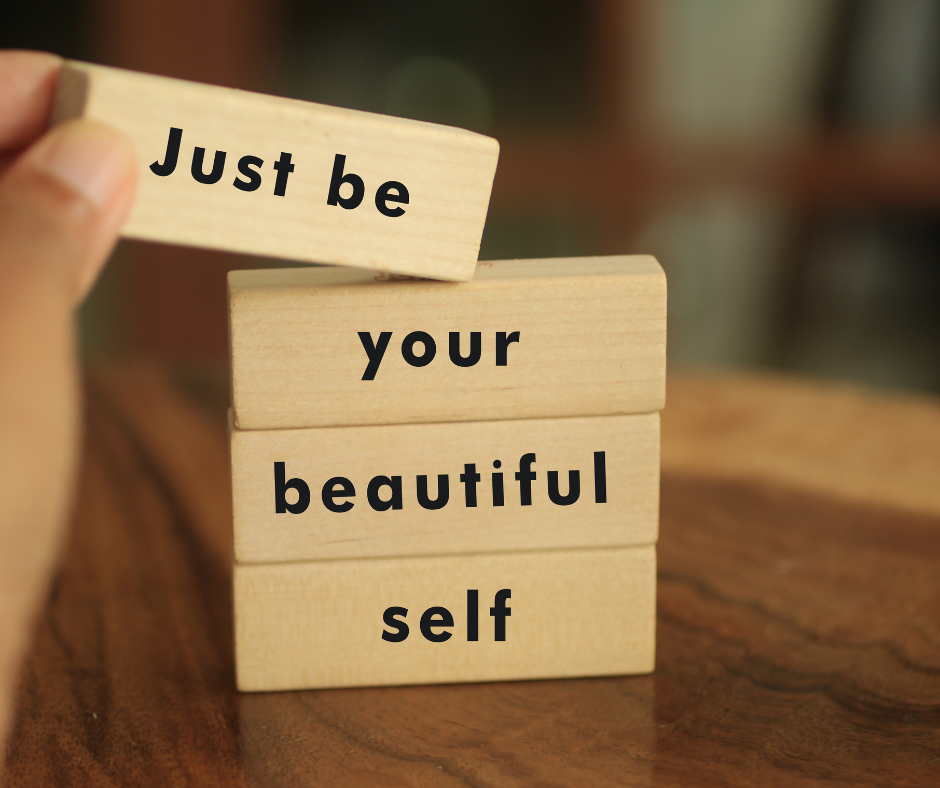
Uncovering the Wholeness Within: The Journey Back to Your True Self
In the rush of modern life, we often forget the simplest truth — we are already whole. Yet every day, society, expectations, and constant comparison chip away at our inner peace. We spend years chasing validation, success, or acceptance, believing these will complete us. But true wholeness doesn’t come from external achievements — it comes from rediscovering the balance that already exists within. Uncovering the wholeness within is not a luxury; it’s a necessity. It’s the foundation of purpose, resilience, and clarity — the very essence of a fulfilled life. The Silent Struggle: A World That Demands More but Gives Less We live in an age where productivity is mistaken for worth. People wear exhaustion like a badge of honor. But beneath the surface lies quiet desperation — a longing to be seen, heard, and understood. We fill the emptiness with distractions, scrolling endlessly, chasing fleeting happiness that never truly satisfies. The truth is, you don’t need more to become whole. You need less noise, less chaos, and more connection — to yourself. The Power of Stillness Wholeness begins when you stop running. When you pause long enough to listen to your own voice — the one that has been drowned out by external demands. Meditation, reflection, prayer, or even a quiet walk in nature can awaken this forgotten connection. In stillness, we remember who we are beyond our roles and responsibilities. Stillness is not weakness; it’s power. It’s in silence that the mind resets, the soul breathes, and clarity returns. Healing the Divide Within Most people live split lives — one face for the world and another hidden within. The gap between who we are and who we pretend to be is the root of our suffering. Healing begins when we accept every part of ourselves — the light and the shadow, the strength and the fear. You cannot reject your wounds and expect to feel whole. Acceptance transforms pain into wisdom. It’s about embracing the totality of your being, with compassion and courage. Reconnecting Purpose and Presence Wholeness is not about perfection; it’s about alignment. When your actions, thoughts, and values move in the same direction, you experience true peace. That alignment gives rise to purpose — a reason to wake up every morning knowing you are contributing to something greater than yourself. Ask yourself: What do I truly value? Am I living in harmony with those values? When you live in alignment, even challenges become lessons, not obstacles. The Urgency to Return to Yourself Now is the time to stop waiting for “someday.” The world needs grounded, self-aware individuals — people who lead with integrity, empathy, and purpose. You cannot pour from an empty cup, and the world cannot heal when its people are fragmented. Uncovering your wholeness is not just self-care — it’s a service to humanity. When you rise in consciousness, you lift others too. Every moment you delay rediscovering your wholeness, you deny yourself the peace you deserve and the world the strength it needs. Take Action Today Pause. Reflect. Heal. Ask yourself: What am I running from? What part of myself have I neglected? Start small — but start now. Reclaim your voice. Rebuild your balance. Redefine your worth. Because within you lies everything you’ve ever been searching for. The time to uncover the wholeness within is now.

Why Women’s Voices Are Still Misunderstood in Today’s World — And Why Change Can’t Wait Any Longer
In a world that claims to be more connected, educated, and progressive than ever before, why do so many women still feel unheard, unseen, and misunderstood? This is not just an emotional reflection—it’s a social emergency. Every day, millions of women experience the frustration of having their perspectives overlooked, their achievements minimized, and their struggles dismissed. This silent crisis is robbing societies of wisdom, balance, and innovation. The truth is clear: when women’s voices are misunderstood, entire communities lose clarity. The Layers of Misunderstanding For decades, women have navigated deeply ingrained stereotypes that dictate how they “should” speak, act, or dream. In homes, their ambitions are sometimes seen as secondary to family expectations. In workplaces, assertiveness may be mislabeled as aggression, and brilliance may be overshadowed by bias. In leadership, they often have to prove themselves twice as much for half the recognition. These are not isolated incidents—they form a repeating pattern across cultures, economies, and generations. The Emotional Toll Feeling misunderstood is not just about hurt feelings—it’s about being locked out of decision-making, growth, and recognition. It creates a cycle: when women aren’t heard, they stop speaking up; when they stop speaking up, society loses their contributions. This isn’t only a women’s issue. It’s a human issue. When half of the population feels silenced, humanity operates at half its potential. The Urgency to Act Change cannot wait for “better times.” The cost of misunderstanding women is too high: Lost innovation in science, technology, and leadership. Policies that fail to address real needs because they ignore half the population’s input. Generations of young girls growing up thinking their voices don’t matter. How We Can Break the Cycle Listen to Understand, Not to Reply – Conversations should be spaces of empathy, not judgment. Challenge Stereotypes – In family discussions, media, and corporate decisions, question outdated assumptions. Equal Representation in Decision-Making – Boards, governments, and institutions must reflect the diversity of the society they serve. Education with Inclusion – Schools must teach boys and girls equally about gender respect, equity, and communication. Mentorship & Platforms – Women must be given visible stages to share their knowledge, ideas, and innovations. The Call to Every Reader If you are reading this, you are part of the solution. You can choose to become a listener, an advocate, and a bridge-builder. You can refuse to let another generation inherit this cycle of misunderstanding. Because here is the truth: understanding women is not a favor—it’s the foundation of a stronger, wiser, and more united society. The time to act is now, not tomorrow. Every day we delay, we lose voices, ideas, and opportunities that could change our world.