

In a world shaken by wars, pandemics, economic collapses, and environmental disasters, it’s easy to feel like we are merely surviving rather than living. The rhythm of life has changed. We’ve gone from dancing freely to marching in fear — fear of tomorrow, fear of loss, fear of the unknown. But what if this crisis is not just chaos? What if it is an invitation — an urgent call — to dance again, not despite the storms, but through them? This is not just an emotional plea — it’s a call to reclaim your resilience, to find joy amidst pain, and to reconnect with what truly matters. The Dance of Life Isn’t Always Choreographed Life was never meant to be perfectly timed, measured, or controlled. And yet, for years, we were taught to chase routines, achievements, deadlines. Then suddenly, everything shifted. The structures we relied on collapsed — jobs were lost, relationships tested, futures blurred. But amid this disarray, a powerful truth emerged: we are not powerless. Life’s unpredictability is not a punishment — it’s a teacher. It strips away the superficial and brings us face-to-face with what’s real: love, breath, purpose, community, and spirit. From Collapse to Clarity: What Global Challenges Are Teaching Us This generation is not just facing a crisis — we are part of a historical transformation. Whether it’s climate change, inflation, AI disruptions, or mental health epidemics — these aren’t isolated issues. They are global wake-up calls. We’re being challenged to redefine success, to move from individualism to collective care, from consumption to contribution. It’s no longer about having more — it’s about being more. We must ask better questions: What values will I live by? How can I show up for others? What legacy will I leave behind? You Were Born for This Moment Yes — you. You were not meant to shrink in the face of adversity, but to rise within it. You are not a victim of this era; you are a vital participant in it. The world doesn’t need more silence, scrolling, or spectators. It needs awakened souls who are ready to dance again, to lead, to innovate, to heal, to dream out loud. You don’t need a perfect plan. You need courage to take the first step. Now Is the Time to Dance — Not Tomorrow There is no perfect moment to reclaim your life. No “after the crisis” or “when things settle.” This is it. This very moment is your music. Start that business you’ve been dreaming about. Reach out to that friend you’ve lost touch with. Learn the skill you keep putting off. Speak your truth. Heal. Cry. Laugh. Move. Dance with life — even when the rhythm falters. Because that’s where transformation lives. Let This Be Your Turning Point If you’ve been waiting for permission, this is it. If you’ve been doubting your strength, remember — resilience lives inside you. Always has. If you’ve been lost, it’s time to return — not to the old normal, but to your authentic self. Stand up. Shake off the fear. And take the step. The music is still playing. You still have time to dance — for yourself, for your family, for your future. Final Thought Hope is not a luxury — it’s a responsibility. When we dance with life during hard times, we give others permission to do the same. Let this be your act of rebellion, of courage, of power. The world may be in crisis. But you — you are in motion. You are rising. You are leading. You are dancing.

Minding Your Money Is Self-Care: A Powerful Wake-Up Call for Every Widow Woman Rebuilding Her Life
When your world falls apart, the last thing on your mind is managing money. The grief is loud. The silence at home is louder. And amid it all, the quiet whispers of bills, expenses, and bank statements start to grow into a roar you can no longer ignore. But here’s a truth too often overlooked: Minding your money isn’t just about numbers—it’s an act of survival, strength, and self-care. Especially for widow women, this step is not just financial; it is deeply emotional and profoundly empowering. The Emotional Weight of Financial Independence Losing a spouse is a trauma no heart truly prepares for. Along with emotional devastation comes a tidal wave of responsibilities. Suddenly, you’re no longer just grieving — you’re budgeting, planning, and navigating unfamiliar financial terrain alone. You may have relied on your partner to manage the money. Now, that role has shifted — and it’s terrifying. But here’s what no one tells you loudly enough:Taking control of your finances isn’t just necessary. It’s healing. When you pay attention to where your money goes, you begin reclaiming control. When you set financial goals — no matter how small — you begin to find purpose. And when you start saving and investing in your future, you’re not just planning; you’re choosing to live. Self-Care Isn’t Just Spa Days — It’s Smart Spending and Secure Futures It’s time we redefine self-care. Yes, rest is vital. Therapy is essential. But so is having a budget. So is knowing where your income comes from — and where it goes. So is feeling secure enough to breathe. Financial literacy and empowerment should never be optional for any woman, and especially not for widow women, who may feel blindsided by the responsibilities left behind. Don’t fall into the trap of avoidance. Bills will come. Emergencies will arise. Unexpected costs can shake the ground beneath your feet. The only shield you can build is knowledge. And knowledge is power. You Deserve Financial Dignity, Not Dependency Widowhood can feel like being dropped into a battlefield without armor. But with the right tools — a financial plan, emergency fund, insurance, estate clarity, and support systems — you don’t just survive; you rebuild. You do not need to be wealthy to be financially wise. You just need to start. Ask the hard questions: Where is my money going? What does my financial future look like in 1 year? 5 years? What do I need to feel secure — and how can I get there? Who can guide me through this with empathy and expertise? Because your peace of mind is worth more than the discomfort of asking these questions. Urgency: Don’t Wait for “Later” “Later” is a dangerous lie. Later becomes never. Later can leave you vulnerable. If you are a widow woman reading this, this is your call to action. Not tomorrow. Not next month. Now. Create a basic budget — today. Schedule a financial check-in with a trusted advisor — this week. Review your insurance and retirement plans — this month. Educate yourself — even if it’s 10 minutes a day. It’s okay to start small. But you must start. Final Words: This Is Not Just About Money. It’s About You. Minding your money is not selfish. It’s not cold. It’s not about greed. It is about loving yourself enough to build a future you can stand on.It’s about honoring your strength.It’s about rising from what tried to break you — with clarity, confidence, and dignity. You are not alone. You are not powerless.And your financial story is far from over.

The Silent Struggle: What If You Don’t Want to Discuss Your Trauma?
Trauma is not always loud.Sometimes, it sits quietly behind a smile. It lingers in the silence between conversations, in the heaviness of a pause, or in the tightening of the chest when someone says, “You should talk about it.” But what if you don’t want to?What if the idea of speaking about your trauma feels like reopening a wound that you’ve spent years trying to bandage, or worse—makes you feel even more unsafe? This article is not just about trauma.It’s about the power of choice, the urgency of compassion, and the importance of respecting the healing process, even when it doesn’t follow the “talk it out” narrative. The Misunderstood Silence We live in a world that increasingly pushes us toward expression.From therapy sessions to online “healing spaces,” from social media confessions to group circles, the dominant message is: “You must talk to heal.” But not everyone heals the same way. For some, silence is sacred.For others, the past is so painful that speaking about it may trigger breakdowns instead of breakthroughs.Many are still gathering the courage to even admit it to themselves. To them, silence isn’t avoidance. It’s survival. When Pressure Causes More Pain Let’s be real: healing isn’t linear.Some people need to talk. Others need time.And forcing someone to speak about their trauma before they are ready can be deeply damaging—emotionally, mentally, even physically. In fact, re-traumatization is a real risk.Every time someone says, “You have to talk about it to move on,” it invalidates the person’s way of coping. It can make them feel broken, weak, or “wrong” for not following the healing script society deems “normal.” This is not just insensitive—it’s dangerous. Creating Safe Spaces Without Demands So, what can we do? Normalize silence.Healing doesn’t always need to be spoken. Sitting in silence, creating art, journaling, praying, meditating, or simply living day by day are valid forms of healing. Respect boundaries.If someone doesn’t want to talk, respect that. Support doesn’t mean interrogation. It means being there—patient, present, and non-judgmental. Encourage, don’t enforce.Instead of “you should talk,” say, “When you’re ready, I’m here.” That one sentence can be life-changing. Choose trauma-informed support.If you’re a friend, family member, teacher, or therapist, take the time to understand trauma responses. What looks like distance may actually be self-protection. To Those Carrying Unspoken Stories If you’re someone who’s not ready to talk about your trauma—You are not broken.You are not weak.You are not wrong. You are allowed to protect your peace.You are allowed to choose silence.You are allowed to say, “Not now. Maybe not ever.”And that is still healing. The Urgency We Must Acknowledge In a world that pushes for disclosure, we need to pause.We need to stop demanding stories that are still bleeding.We need to recognize that healing is not performance—it is deeply personal, often invisible, and never linear. And we need to create a culture where both speaking and silence are safe. This is urgent. Because every day, someone is retraumatized by well-meaning people forcing them to “open up.” Let us be the generation that knows better.Let us be the generation that does better.
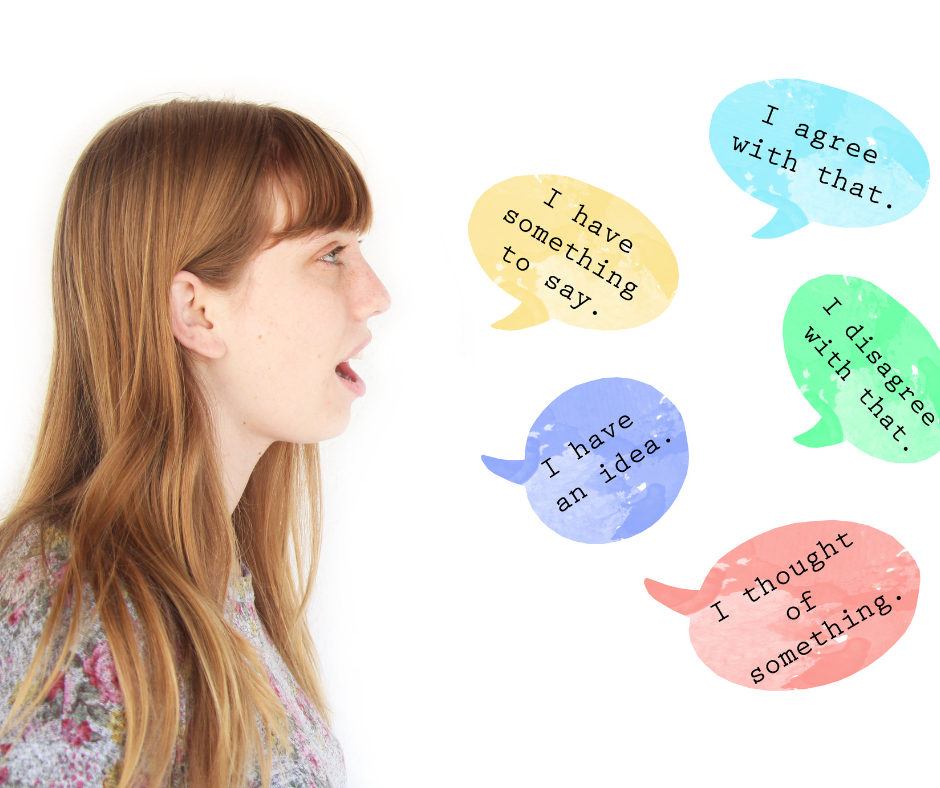
Speak So They Listen: How to Express Yourself Clearly and Confidently
In a world driven by noise, distractions, and fast-paced interactions, the ability to express yourself clearly and confidently isn’t just a skill — it’s a superpower. Whether you’re a professional in the boardroom, a teacher in the classroom, a leader in your community, or someone trying to be heard in a conversation — how you communicate defines your impact. This is not just about being talkative. It’s about being heard, understood, and remembered.It’s about shaping how others perceive you and how opportunities unfold around you. And right now, we live in a world that desperately needs voices with clarity, conviction, and courage. Why Clarity and Confidence Are No Longer Optional Let’s be honest — people don’t have time for confusion.They tune out fast. They scroll past even faster. If your words aren’t clear, your message is lost. If you’re not confident, people question your message before they even hear it. When you lack expression: Opportunities slip through the cracks. Misunderstandings create tension. Your ideas, no matter how brilliant, stay buried. But when you speak with clarity and confidence, you lead conversations. You inspire trust. You open doors. So what’s stopping you? The Silent Struggles Behind Poor Communication Most people aren’t born poor communicators. They’ve just never been taught how to express themselves powerfully. You may relate to this: You know what you want to say but can’t find the right words. You feel nervous before speaking. You doubt whether anyone cares about your opinion. You fear being judged, interrupted, or dismissed. But here’s the truth: Your voice matters. Your perspective matters. And with the right tools and mindset, you can master your message and own any room you walk into. How to Express Yourself Clearly and Confidently Let’s turn your voice into your greatest asset. This isn’t theory — this is practical, transformative, and rooted in experience. 1. Start with Intention Before you speak, ask yourself: What’s my core message? What do I want the listener to understand or do? When your message has a clear purpose, your words follow with clarity. 2. Speak from Authenticity, Not Performance People don’t connect with perfection. They connect with realness. Speak from your truth, not from a script. Your tone, body language, and eye contact will naturally align when you’re being genuine. 3. Slow Down Nervousness makes us rush. But powerful communicators pause. They emphasize. They let ideas land. Silence can be your strongest tool when used wisely. 4. Build Vocabulary, Not Complexity You don’t need fancy words. You need the right words. Study how great speakers simplify complex ideas. They make it easy to digest, not harder. 5. Practice Aloud — Not Just in Your Head Confidence grows with exposure. The more you say your thoughts aloud, the more your brain builds fluency. Record yourself. Join speaking groups. Train your voice like a muscle. 6. Accept Imperfection and Keep Going You will fumble. You might repeat yourself. You may blank out. That’s human. What matters is pushing through with grace and resilience. Confidence isn’t about perfection — it’s about persistence. Action-Taking Time: Speak Like Your Life Depends on It — Because It Does You can’t keep waiting for the perfect moment, the right environment, or someone to ask for your opinion.You are already enough. You already have something worth saying. Whether it’s a job interview, a pitch to investors, a family disagreement, or a stage in front of thousands — your ability to express yourself will shape your path more than talent, luck, or timing ever could. So today — not tomorrow — decide to: Speak up in meetings. Share your thoughts in groups. Post that video. Start that podcast. Initiate that difficult conversation. Speak your truth with unapologetic clarity. Final Words: The World is Waiting for Your Voice Don’t let fear rob the world of your insight.Don’t let hesitation hold back your growth. Because the moment you express yourself clearly and confidently, everything changes: People listen. Doors open. Respect grows. Impact multiplies. The power isn’t in just having a voice. The power is in using it.

Speak to Be Heard: The Transformative Power of Speaking Up and Communicating with Impact
In a World Full of Noise, Your Voice Still Matters Every day, millions stay silent—not because they don’t have anything to say, but because they fear no one will listen. The fear of judgment, of being misunderstood, of being ignored—these silent fears silence too many voices. But here’s a truth that needs to echo far and wide: the power to transform communities, relationships, careers, and even destinies lies in the courage to speak up. Speaking up is not just a skill—it is a survival tool, a leadership trait, and a healing process. Whether you’re a student, entrepreneur, activist, parent, or leader, learning the art of effective communication is no longer optional—it’s critical. Why We Don’t Speak—and Why We Must Fear, shame, cultural conditioning, workplace politics, trauma—these are just some of the invisible chains that hold us back. The consequences of silence are severe. Ideas die unheard. Injustices go unchallenged. Opportunities vanish. Self-worth diminishes. When you withhold your voice, you withhold your power. But when you choose to speak up, even in small moments, you send a message—to yourself and the world—that your thoughts, your feelings, your truth matter. Speaking up is a radical act of self-respect. It’s not just about being loud. It’s about being clear, authentic, and intentional. The True Meaning of Communication Communication isn’t about using big words or perfect grammar. It’s about connection. About showing up. About being present. It’s about listening deeply, expressing clearly, and engaging meaningfully. In your business—communication builds brands.In your family—it builds trust.In your community—it builds movements.In your personal journey—it builds courage. Powerful communication isn’t a gift. It’s a learned skill. And it’s never too late to learn. The Cost of Staying Silent Professionally, it can mean missed promotions, broken teams, lost deals. Personally, it can mean fractured relationships, unresolved trauma, diminished self-esteem. Socially, it can allow injustice, inequality, and misinformation to thrive. Silence is not always golden. Sometimes, it’s a slow poison. What Happens When You Start Speaking Up? You Gain Respect: People respect those who stand for something—even if they don’t always agree. You Build Influence: Your voice can inspire, lead, and impact decisions. You Create Change: At home, at work, in your community—your words can shift perspectives. You Heal: Speaking your truth is liberating. It frees you from carrying the weight of unsaid words. Action Steps: How to Speak Up and Communicate Effectively 1. Know Your WhyStart with purpose. What matters to you? What needs to be said? Clarity fuels courage. 2. Start Small, Start SafeBegin in familiar environments. Speak in meetings. Ask questions. Give feedback. Challenge gently. 3. Practice Active ListeningGood communicators listen more than they speak. Listen with empathy. Listen to understand, not to reply. 4. Master Your Body LanguageYour tone, posture, and eye contact speak louder than words. Be aware. Be intentional. 5. Use “I” StatementsSpeak from your experience. “I feel…” “I believe…” This reduces defensiveness and invites openness. 6. Pause and BreatheDon’t rush. Your silence can be as powerful as your words when used with intention. 7. Get FeedbackAsk trusted peers or mentors how you come across. Growth lies in reflection. 8. Speak Even When It’s UncomfortableThat’s where the transformation happens. Growth is never silent. The Time Is Now If there’s ever been a time to speak up, it’s now. In a world where misinformation spreads faster than truth, where inequality survives because of silence, and where businesses are built—or broken—by communication, your voice is not just welcome—it’s urgently needed. Don’t wait for a stage. Your conversation at dinner, your input in a meeting, your post online—all of it matters. Final Thoughts The art of speaking up and communicating is not about perfection. It’s about presence, purpose, and persistence. It’s about deciding that your voice is valuable, that your experiences are valid, and that you have something worth sharing. So speak. And when you do—speak with clarity, with confidence, and with compassion. Because the world doesn’t just need noise. It needs your voice.

The Power of Letting Go: Why Detachment Is the Key to a Balanced, Fulfilling Life
In a world that glorifies hustle, perfection, and constant achievement, the concept of detachment can feel counterintuitive—even threatening. Yet, if we are truly honest with ourselves, many of us are chained to things that no longer serve our highest good. Whether it’s toxic relationships, unrealistic expectations, material possessions, job titles, or our endless pursuit of control, the weight we carry in the name of “success” can quietly crush our well-being. Detachment is not about indifference. It’s about clarity. It’s about choosing to step back emotionally, mentally, and spiritually from the things that drain us—and making room for peace, purpose, and inner power. In doing so, we open ourselves up to something radically transformative: a balanced life. The Hidden Cost of Attachment Attachment shows up in subtle ways. It’s the fear of losing status, the obsession with being liked, the need to prove yourself, the anxiety when plans fall apart, the pain when expectations go unmet. And each time we grip tighter to what we think we must control, we move further away from serenity. We live in a world where being busy is mistaken for being valuable. But what’s the real cost? Burnout, broken connections, poor health, sleepless nights, and chronic dissatisfaction. We keep chasing, yet never arriving. Now is the time to ask:Are you holding on to something that’s holding you back? What Detachment Actually Means Detachment is not the absence of care—it’s the presence of power.It means: Letting go of what you can’t control. Disengaging from outcomes you cannot guarantee. Releasing the pressure of expectations. Allowing people and situations to be as they are. And in return, you gain: Emotional clarity Stronger boundaries Improved mental health A more authentic life More energy to focus on what matters Why Now Is the Time to Detach This isn’t just another self-help message. This is a wake-up call. The world is moving faster than ever, and so many are losing themselves in the noise. You have a chance—right now—to realign your life, to reconnect with what actually brings joy and meaning. But this cannot happen while you are still entangled in everything you think you “should” be doing, having, or becoming. Urgency is not panic—it is a deep realization that life is too short to waste. Start small. Let go of one thing today that is weighing you down. Say no to one task that doesn’t align with your purpose. Speak one truth you’ve been avoiding. Choose presence over pressure. How Detachment Creates a Balanced Life When you detach from toxic cycles, you gain control over your emotional state.When you detach from needing approval, you reclaim your authenticity.When you detach from chasing, you finally arrive. Balance is not about doing less. It’s about carrying less.Less fear. Less guilt. Less comparison.And more peace. More presence. More purpose. A Call to Action: Reclaim Your Inner Freedom Detachment is not a one-time act—it’s a lifestyle. A conscious, courageous decision to choose freedom over fear, peace over pressure, and alignment over approval. If you’ve been searching for balance in your life, look not at what more you can do—but at what you need to let go of.Let today be the day you start your journey toward inner freedom. You don’t need permission. You just need decision. You deserve a life that is light, authentic, and whole. The time to detach is now.Because your life will never be fully yours… until you let go.
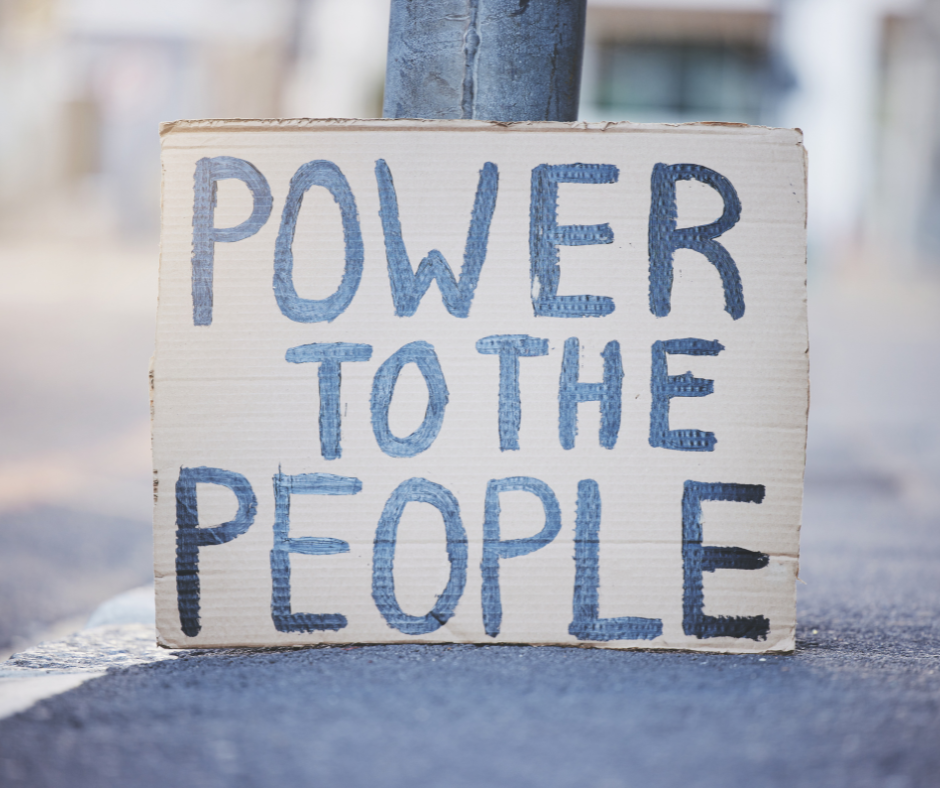
Stand Your Ground: 5 Bold and Empowering Ways to Handle Pushy People Before They Take Over Your Peace
In a world where boundaries are constantly tested, learning how to deal with pushy people isn’t just a skill—it’s a necessity. Every day, someone somewhere is giving in to pressure they wish they had resisted. If you’ve ever walked away from a conversation feeling cornered, manipulated, or emotionally exhausted, this article is for you. Why You Must Act Now Pushy people are everywhere: at work, in relationships, on social media, and sometimes even in your own home. If you don’t learn to stand your ground, you risk losing more than your voice—you lose your time, your energy, your peace, and your sense of self. The cost of silence is too high. And the longer you wait, the harder it gets. Let’s change that today. 1. Recognize the Manipulation Early Pushy behavior isn’t always loud. Sometimes, it’s wrapped in fake concern or disguised as a favor. The moment someone dismisses your “no” or guilt-trips you for setting a boundary, understand this: it’s not care, it’s control. Action:Start paying attention to how people make you feel. If you’re often left drained, doubting yourself, or doing things just to “keep peace,” it’s time to reset the dynamic. 2. Use Direct Language Without Apology Pushy people thrive on hesitation. They use your uncertainty as permission to keep pushing. The most powerful response you can give is a firm, unapologetic “No.” Action:Say it clearly. Not maybe. Not later. Just “No, this doesn’t work for me.” You don’t owe explanations. You owe yourself peace. 3. Set Boundaries and Enforce Them Like a Pro A boundary without enforcement is just a wish. Pushy people will always test limits—they expect you to fold. But when you enforce your boundary, you train people on how to treat you. Action:Be consistent. If someone crosses the line, call it out immediately. Calmly. Clearly. Every time. That’s how you stop being an easy target. 4. Reclaim Your Power Through Distance Sometimes, the strongest move is walking away. You don’t need toxic energy in your inbox, your home, or your life. Action:Limit contact. Unfollow, mute, or block if needed. Create space to breathe. Not every connection is worth keeping. Emotional health isn’t negotiable. 5. Heal the Guilt—It’s Not Yours to Carry Pushy people love using guilt as a leash. They’ll say you’re being selfish. Cold. Dramatic. But here’s the truth: Protecting your boundaries is not a crime. It’s self-respect. Action:Remind yourself: Saying “no” doesn’t make you a bad person. It makes you a free one. Start honoring yourself, and the right people will honor you too. You Are Allowed to Say No Without Explaining Yourself If you don’t claim your boundaries, someone else will define them for you. And once they do, your peace becomes their playground. Today is the day you stop people-pleasing. Today is the day you take your power back. Final Words: This isn’t just about avoiding pushy people. It’s about reclaiming control over your life, emotions, and energy. You’ve been too kind, too accommodating, and too silent for too long. That ends now. You deserve peace. You deserve space.

Rewriting Widowhood: Why Kashmir Must End the Silent Suffering of Women After Loss
When a woman loses her husband in Kashmir, she doesn’t just lose a companion—she loses her place in society. In the valleys of Kashmir, widowhood often becomes a life sentence. The moment the funeral ends, a different kind of mourning begins—one not marked by tears, but by silence, isolation, and harsh social expectations. Where men are urged to move on, women are shackled by judgment. A widower is encouraged to remarry, to rebuild, to re-embrace life. But a widow? She is expected to shrink, to dim her existence, and to live in the shadow of her past. Why is this so? The Cultural Weight That Cripples Choices In the eyes of tradition, the widow’s laughter can seem “too loud,” her dress “too bright,” her social presence “too bold.” Her every action becomes public property—measured, commented upon, and criticized. Even her thoughts are policed by an invisible code that is neither religious nor legal but deeply cultural. Yet Islam is clear: after a waiting period of iddah (four months and ten days), a widow is not only permitted but encouraged to remarry. It is seen as a blessing, a right, and an act of compassion—both for her and for society. The Prophet Muhammad (PBUH) himself married widows and praised those who cared for them. So why does society still hesitate? What Holds Widows Back? Widows in Kashmir, particularly those with children, often find the path to remarriage blocked by: Family pressures: Elders fear ‘what people will say’. Social stigma: The widow is often seen as “unlucky” or a “burden.” Financial dependency: Without stable income, many women lack the power to choose. Dowry demands and remarriage expenses: The economic burden makes a new start daunting. Emotional sacrifice: Mothers put their children first, often at the cost of their own happiness. A local NGO survey reports that 70% of Kashmiri widows face intense social scrutiny, and 40% are actively discouraged from remarrying. These numbers are not just statistics—they are women. Women who live quietly, who bury their dreams so others can sleep easy. The Emotional Cost of Silence These women aren’t just surviving loss—they are surviving loneliness, judgment, and neglect. They raise children alone. They manage households without support. They battle bureaucracy, poverty, and sometimes abuse. And they do all this while being told not to think of themselves—not to love again, not to hope again. But they are human. And humanity does not stop at grief. We Must Act—Now Change begins with recognition.Families must support, not suppress. Communities must uplift, not isolate. Religious leaders must echo what scripture already states: remarriage is not shameful—it is sacred. Policymakers, too, must step up: Launch community awareness programs that address the stigma. Provide financial aid and legal clarity to widows. Simplify inheritance procedures and protect widows’ property rights. Encourage matchmaking platforms that include widows and single parents with dignity. NGOs, civil society groups, and media must take this conversation to every doorstep. Let’s talk about these women not as statistics—but as citizens who deserve full rights, full respect, and full agency. Widowhood Is Not the End. It’s Another Beginning. In Kashmir, women have broken glass ceilings in education, sports, and business. Why can’t they reclaim their personal lives too? To the widows of Kashmir:You are not alone. You are not broken. You are not bound by society’s silence. You have the right to rebuild, to remarry, to reimagine your life. To the community:What are we so afraid of? That a woman might find happiness again? That she might rise above our expectations? Isn’t that what we should hope for? Let us stop punishing women for surviving.Let us stop turning love into shame.Let us stop defining widowhood by loss and start defining it by resilience.

Step Into Stillness: How Silent Walking Transforms Your Mind, Body, and Life
In a world constantly buzzing with noise, notifications, and nonstop motion, silence has become a forgotten luxury. We wake up to alarms, scroll through our feeds, rush into conversations, drown ourselves in meetings, podcasts, news, and more — until we forget how silence feels. But what if stillness was the most powerful action you could take?What if walking in silence was your gateway to clarity, healing, energy, and truth? This isn’t about going for a casual stroll.This is about silent walking — a practice that could change how you experience life. What Is Silent Walking? Silent walking is the intentional act of walking without speaking, without headphones, without a podcast or playlist. Just you, your breath, your steps, and your surroundings. No phone.No distractions.No multitasking. It’s the most natural thing you’ve forgotten how to do. And it’s calling you back. Why Does Silent Walking Matter So Much Now? Because we’re overstimulated. We’re overwhelmed.We’ve lost the ability to be alone with ourselves. People talk about self-care and mindfulness, but still live in constant digital noise.Silent walking is not a trend — it’s a revolution against the chaos.It’s a rebellion against burnout. It’s the pause we desperately need to reconnect with our inner voice. In silence, you hear yourself.In silence, your ideas bloom.In silence, stress begins to dissolve. The Science Behind It Silent walking boosts: Mental Clarity: Reduces cognitive overload and brain fog. Emotional Health: Calms anxiety and regulates emotions. Physical Vitality: Lowers blood pressure, improves heart rate, and helps digestion. Spiritual Awareness: Heightens intuition, self-awareness, and gratitude. Research shows even 10 minutes of silent walking in nature daily can rewire your brain for resilience and happiness. How to Start Silent Walking Today Choose Your Space WiselyFind a quiet trail, park, or safe street. Nature is ideal. Urban silence is possible too. Leave Your Phone BehindOr keep it in airplane mode. No music. No calls. No photos. Breathe Deeply & Walk SlowlyLet your body move gently. Match your breath with your steps. Observe Without JudgingNotice sounds, smells, the way your feet meet the ground, the wind, your thoughts — without analysis. Just observe. Go Alone, Go WithinThis is your journey inward. Walk with purpose, but without a destination. Stillness Is Not Laziness — It’s Leadership Silent walking isn’t just for spiritual seekers or wellness gurus.It’s for entrepreneurs, students, parents, creatives, decision-makers — for everyone who wants to live and lead with intention. Want to make better decisions?Want to ignite your creativity?Want to break free from burnout?Then you need to step into stillness. And stay there — even just for 10 minutes a day. A Call to Action Stop scrolling.Stop running from yourself.You’ve tried everything else. Now try nothing.Try stillness.Try silent walking. Don’t wait until your body forces you to slow down.Don’t wait for burnout, breakdown, or a health scare. Start now.Your peace depends on it.

Break Free from Self-Doubt: Reclaim Your Power, Potential, and Purpose Today
You were not born with self-doubt — you were taught it. Now it’s time to unlearn it. In every corner of the world, countless brilliant minds are silenced by a single destructive force: self-doubt. It creeps in slowly, whispering that you’re not good enough, not smart enough, not capable enough. It convinces you to shrink when you should shine. It traps you in a cycle of hesitation, procrastination, and regret. But here’s the truth — self-doubt is a lie. And it’s time to say goodbye. The Silent Killer of Dreams Self-doubt is not just a mindset issue — it’s a life issue. It kills potential before it’s even realized. It prevents startups from launching, relationships from healing, careers from advancing, and leaders from rising. Many people are not living the life they want — not because they’re incapable — but because they stopped believing they could. Let that sink in. You may have missed opportunities not because someone else was better — but because you doubted yourself enough to say, “Maybe I shouldn’t try.” That stops now. Your Inner Voice Is Your Greatest Weapon — or Your Worst Enemy We all have that voice inside us. One that says: “You’re not ready.” “You’ll fail like last time.” “People will laugh at you.” But you also have another voice — the one that says: “You were born for more.” “You’ve survived worse.” “This is your moment.” Which voice are you feeding? The world doesn’t need more perfect people. It needs real, courageous, imperfect humans willing to show up even when they’re scared. The world needs you — bold, unshaken, and free from the chains of self-doubt. How to Say Goodbye to Self-Doubt — Starting Today This isn’t motivational fluff. This is an urgent call to action. Your life, your purpose, your future depend on the choices you make now. Here’s how to start dismantling self-doubt immediately: Name It: Recognize when and where self-doubt creeps in. Is it when you’re trying something new? When you’re about to speak up? Awareness is the first step to disarm it. Challenge It: Question the voice in your head. Where’s the proof that you’re going to fail? Why should others deserve success more than you? Replace It: Speak new truths over yourself. Write them. Repeat them. Believe them. Affirm: “I am capable. I am worthy. I am enough.” Take Imperfect Action: Don’t wait to feel ready. Confidence grows through action. The more you show up, the more you silence doubt. Surround Yourself with Believers: You need people who remind you of your greatness — not your flaws. Build your tribe. Celebrate Every Win: Even the small ones. Momentum is built one step at a time. The Cost of Holding On Is Too High You’re not just wasting time — you’re wasting life. Every day you live in self-doubt, your dreams die a little. Your voice fades. Your legacy stalls. The pain of regret will always outweigh the pain of failure. What if your breakthrough is on the other side of one brave decision? This Is Your Moment Let today be the day you stop letting fear write your story. Let today be the day you reclaim your voice, your confidence, your future. You were not created to live small, scared, or silent.You were created to rise, to lead, to transform. Say goodbye to self-doubt.Say hello to who you were meant to become.