

Sadaqah, derived from the Arabic word for ‘righteousness,’ holds immense significance in Islam as a form of voluntary charity. Mentioned in over 50 places in the Qur’an, its importance to Muslims cannot be understated. Acts of Sadaqah encompass various charitable deeds, including donating money to a charity or local food bank, feeding a hungry or fasting person, providing water to a thirsty animal, and even the simple act of smiling, which is considered Sunnah. However, there is a distinction to be made between Sadaqah and Sadaqah Jariyah. While both are voluntary acts of charity, Sadaqah Jariyah offers ongoing and sometimes everlasting rewards. Examples of Sadaqah Jariyah include teaching someone the Qur’an or knowledge of Islam, planting a tree whose benefits extend to people and animals, and other impactful deeds that continue to benefit others long after they are performed. The Prophet Muhammad (peace be upon him) emphasized the significance of Sadaqah Jariyah, stating that it continues to benefit a person even after their death. This form of charity, along with beneficial knowledge and virtuous descendants who pray for the deceased, are considered perpetual sources of reward. Giving Sadaqah can take various forms, including financial donations to reputable charities like Orphans in Need, which utilize contributions to alleviate the suffering of impoverished, struggling, and ill individuals worldwide. Sadaqah can also be expressed through non-monetary acts such as visiting the sick and elderly, helping neighbors, and contributing to community welfare initiatives. The virtues of Sadaqah are extolled in numerous hadiths, highlighting its role in extinguishing sins, providing shade on the Day of Resurrection, inviting Allah’s blessings, and warding off calamities. By participating in the Sadaqah Appeal with organizations like VOW-Voice Of Widows, individuals can contribute to the well-being of orphans, widows, and those in need, earning rewards and blessings as per Islamic teachings.
Empowering Widows: A Self-Help Program for Independence
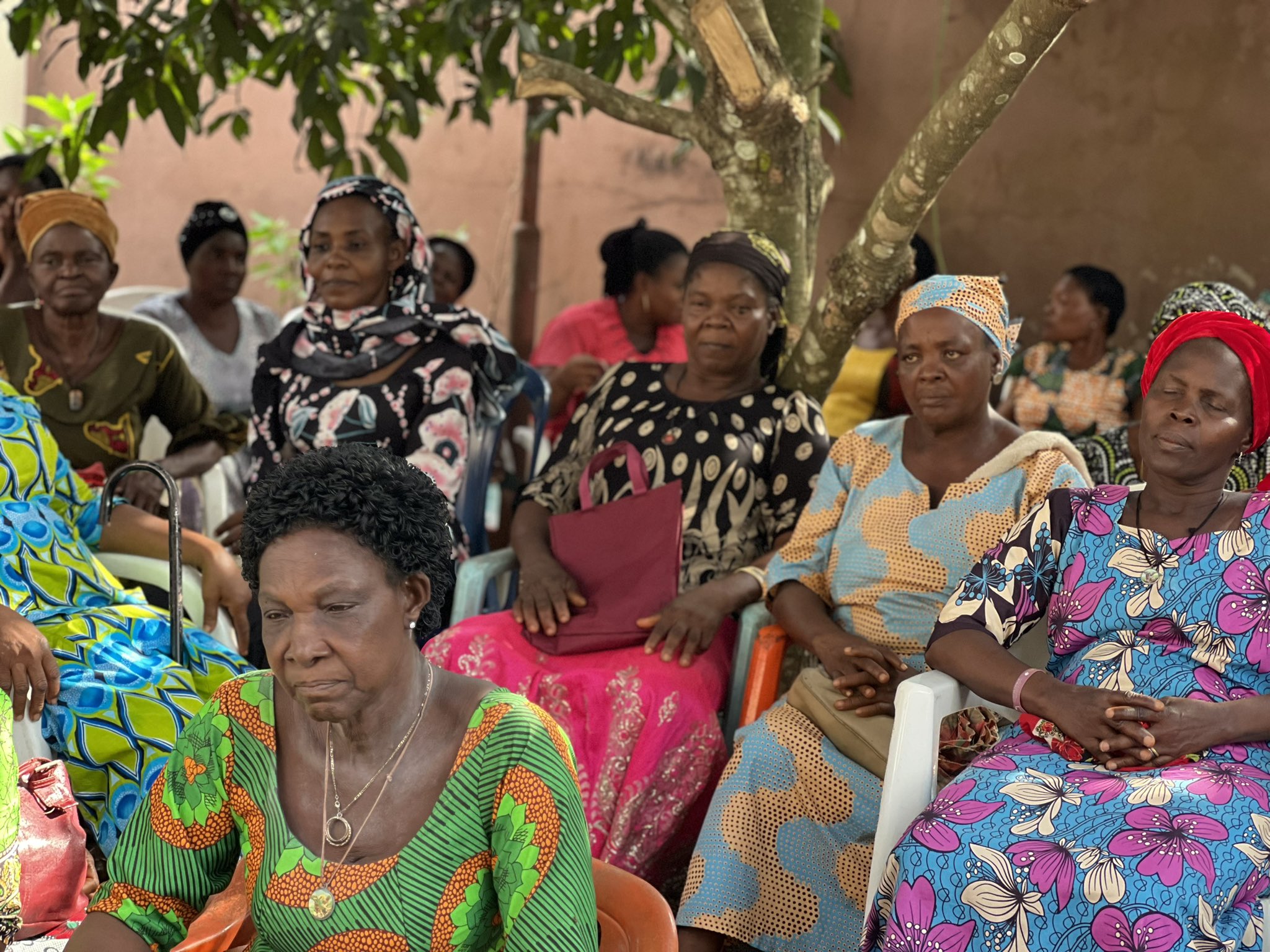
Dr. Bilal Ahmad Bhat, the visionary founder of 28 Credentials of Entrepreneur (28COE), is on a mission to empower widows worldwide. With a deep conviction in the potential and resilience of widows, Dr. Bhat believes that providing them with the tools, skills, and support they need can lead to transformative changes in their lives. Through initiatives like Voice of Widows (VOM), Dr. Bhat is making a significant impact on the global stage by championing the cause of widows’ independence and autonomy. Recognizing the Challenges Faced by Widows Widows often find themselves in vulnerable and challenging circumstances following the loss of their spouses. They may encounter financial difficulties, lack of social support, and limited access to opportunities for personal and professional growth. These challenges can be particularly daunting for widows who have not been equipped with the skills or resources to navigate life independently. The Importance of Autonomy and Independence Dr. Bilal Ahmad Bhat firmly believes that empowering widows to become self-reliant and independent is crucial for their well-being and success. By fostering autonomy, widows gain a sense of control over their lives, make informed decisions, and pursue their aspirations with confidence. This shift from dependency to self-sufficiency not only benefits individual widows but also contributes to the overall empowerment and advancement of widowed communities. The Self-Help Program for Widows The self-help program designed by Dr. Bilal Ahmad Bhat and the team at 28COE focuses on equipping widows with essential skills, knowledge, and resources to thrive independently. Key components of the program include: Skills Training: Widows are provided with training in various vocational skills, such as tailoring, handicrafts, computer literacy, entrepreneurship, and more. These skills not only enhance their employability but also enable them to start their own businesses and generate income. Financial Literacy: The program emphasizes financial education and management, teaching widows how to budget, save, invest, and plan for their future financial stability. Emotional Support: Widows receive emotional support, counseling, and peer mentoring to cope with grief, build resilience, and develop a positive mindset for personal growth. Community Engagement: The program encourages widows to participate in community activities, social networks, and advocacy initiatives, fostering a sense of belonging and collective empowerment. Impact and Success Stories Through the self-help program and initiatives like Voice of Widows (VOM), Dr. Bilal Ahmad Bhat has witnessed remarkable transformations in the lives of widows. Many widows who have participated in the program have gone on to become successful entrepreneurs, skilled professionals, and advocates for widowed rights. Their stories of resilience, determination, and empowerment serve as inspiration and motivation for others facing similar challenges. Global Outreach and Collaboration Dr. Bhat’s vision extends beyond borders, as he collaborates with organizations, governments, and stakeholders worldwide to expand the reach and impact of the self-help program for widows. By forging partnerships, sharing best practices, and leveraging technology and innovation, Dr. Bhat aims to create a global network of support and empowerment for widows in every corner of the world. Conclusion: Empowering Widows for a Brighter Future In conclusion, Dr. Bilal Ahmad Bhat’s self-help program for widows is a beacon of hope and empowerment. By focusing on autonomy, skills development, and community engagement, the program equips widows with the tools and confidence to lead fulfilling and independent lives. Through his visionary leadership and commitment to making a positive impact, Dr. Bhat is not only transforming the lives of widows but also reshaping societal perceptions and attitudes towards widowed individuals.
Navigating Widowhood: Essential Resources for the Newly Bereaved
Losing a spouse is one of life’s most challenging experiences, and navigating the journey of widowhood can be overwhelming. The emotional, financial, and practical adjustments that come with such a loss can feel daunting. However, there are numerous resources and support systems available to help newly widowed individuals cope with their grief, manage their affairs, and rebuild their lives. In this article, we will explore some of the essential resources for the newly widowed. Grief Support Groups: One of the first steps for the newly widowed is finding a supportive community where they can share their feelings, receive empathy, and gain coping strategies. Grief support groups, whether in-person or online, offer a safe space for individuals to connect with others who are also experiencing loss. These groups provide emotional support, validation of feelings, and guidance on navigating the grieving process. Counseling and Therapy: Professional counseling or therapy can be immensely beneficial for those coping with grief and loss. Therapists trained in grief counseling can help individuals process their emotions, develop healthy coping mechanisms, and work through unresolved issues related to their loss. Individual or group therapy sessions can provide valuable support and guidance during this challenging time. Financial and Legal Assistance: Losing a spouse often brings significant financial and legal challenges. Newly widowed individuals may need assistance with estate planning, probate matters, insurance claims, and managing their finances. Seeking guidance from financial advisors, estate planners, and attorneys specializing in probate and estate law can help ensure that financial matters are handled effectively and efficiently. Social Services and Benefits: Many government and non-profit organizations offer social services and benefits specifically for widows and widowers. These services may include financial assistance, housing support, healthcare benefits, and counseling services. Newly widowed individuals should explore available resources in their local community or online to access the support they need. Practical Support: Managing daily tasks and responsibilities can be challenging for the newly widowed. Family, friends, and community organizations can provide practical support, such as meal delivery, household chores assistance, childcare, and transportation services. Accepting help from others can ease the burden and allow individuals to focus on their emotional healing. Educational and Workforce Programs: For those who need to re-enter the workforce or pursue educational opportunities after their loss, there are programs and resources available to support career development, job training, and educational funding. Vocational rehabilitation services, career counseling, and scholarship programs can help individuals rebuild their professional lives and achieve their goals. Spiritual and Religious Support: For those who find solace in their faith or spirituality, seeking support from religious leaders, spiritual advisors, or participating in religious community activities can provide comfort and guidance during the grieving process. Many religious organizations offer bereavement support programs and counseling services tailored to the needs of the newly widowed. In conclusion, the journey of widowhood is unique for each individual, and finding the right resources and support systems can make a significant difference in navigating this challenging time. By reaching out for help, connecting with supportive communities, and accessing available resources, the newly widowed can find comfort, healing, and hope as they move forward in their lives.
Empowering Widows: The Role of Family and Community
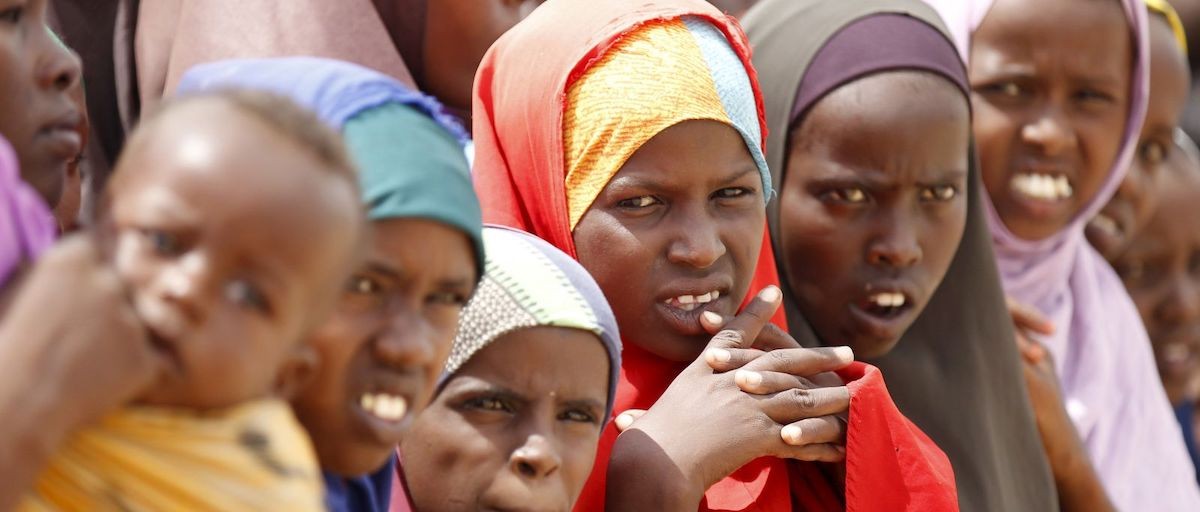
The plight of widows often remains hidden in the shadows of society, overshadowed by more visible issues. Yet, the challenges they face are profound and multifaceted, affecting not only their individual lives but also the well-being of their families and communities. In many cultures, widows are marginalized, stigmatized, and left vulnerable, struggling to rebuild their lives amidst grief, loss, and societal barriers. However, amidst these challenges, there is hope and opportunity for change, particularly through the support and empowerment provided by family and community. Family plays a crucial role in the lives of widows, serving as a source of emotional support, practical assistance, and financial stability. In many cases, widows rely on their families for housing, childcare, and basic necessities, especially if they lack independent income or resources. The family’s acceptance, understanding, and inclusion can significantly impact a widow’s ability to cope with her loss and navigate the challenges of widowhood. Moreover, family members can play an active role in advocating for widows’ rights, challenging discriminatory practices, and promoting gender equality within the family and wider community. By fostering a supportive and inclusive family environment, widows can feel valued, respected, and empowered to rebuild their lives and pursue their aspirations. In addition to family support, community engagement is vital in empowering widows and addressing systemic issues that perpetuate their vulnerability. Communities can create networks of support, social services, and economic opportunities tailored to the needs of widows. This includes access to education, skills training, job placement programs, and microfinance initiatives that enable widows to gain financial independence and improve their socio-economic status. Furthermore, communities can challenge harmful cultural norms, traditions, and discriminatory practices that marginalize widows and restrict their rights. By promoting awareness, education, and advocacy, communities can create a more inclusive and supportive environment for widows, where they are recognized as valuable members contributing to the social fabric. As the founder of Go Daughters, an organization dedicated to empowering women and advocating for gender equality, Irtaza Bilal understands the critical role of family and community in supporting widows. Through Go Daughters’ initiatives, including mentorship programs, skills development workshops, and awareness campaigns, widows are given a platform to voice their needs, access resources, and forge connections with supportive networks. Empowering widows is not just a moral imperative; it is also a catalyst for positive change within families and communities. By recognizing widows’ rights, addressing their unique challenges, and providing opportunities for growth and self-reliance, we can create a more equitable and inclusive society for all. Together, let us stand in solidarity with widows, champion their empowerment, and build a brighter future where every woman can thrive.

Championing Global Gender Equality: The Impact of VOM – Voice of Widows
In today’s world, the quest for gender equality has become more urgent than ever. As an organization dedicated to this cause, VOM – Voice of Widows stands at the forefront, tirelessly advocating for women’s rights and empowerment across the globe. At VOM, we believe that gender equality is not just a goal to be achieved; it is a fundamental human right. We are committed to delivering programs, policies, and standards that uphold this right, ensuring that every woman and girl can live up to her full potential, free from discrimination and oppression. Our work spans a wide range of initiatives, from education and economic empowerment to healthcare and legal advocacy. We provide support and resources to widows, who often face unique challenges and vulnerabilities, to help them rebuild their lives and thrive. Through our advocacy efforts, we strive to create a world where gender equality is not just a distant dream but a tangible reality. We collaborate with governments, NGOs, and grassroots organizations to implement policies and practices that promote gender equality and empower women and girls. One of our key initiatives is raising awareness about the rights and needs of widows, who are often marginalized and overlooked in society. We work to break the stigma surrounding widowhood and ensure that widows have access to education, healthcare, economic opportunities, and legal protection. In addition to our advocacy work, VOM also serves as a platform for women to share their stories, connect with others, and find support. Through our online community and events, we foster solidarity and empowerment, giving women a voice and a platform to make their voices heard. As a global champion for gender equality, VOM is committed to driving meaningful change and creating a more just and equitable world for all. Join us in our mission and be part of the movement towards a brighter future where every woman and girl can thrive and fulfill her potential.
Life After Loss: A Journey of Healing and Support for Widows
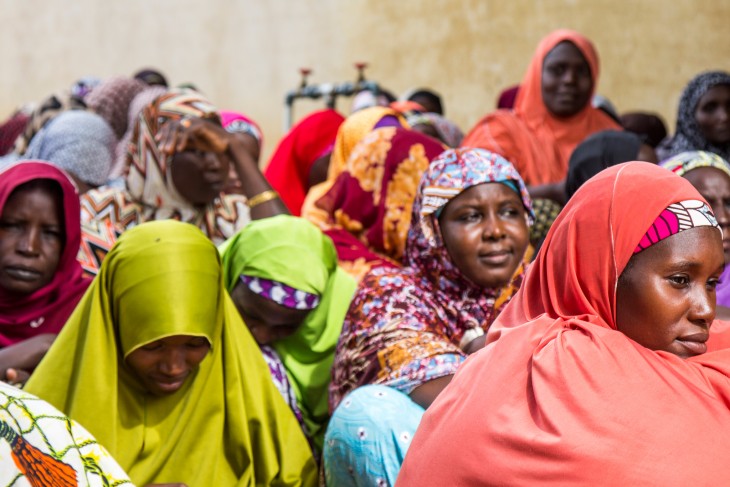
Losing a spouse is one of life’s most challenging experiences, and navigating the journey of grief and healing can be overwhelming. For many widows, finding a supportive community and resources to help cope with the loss and rebuild their lives is essential. Dr. Bilal Ahmad Bhat, a compassionate advocate for widows’ rights and well-being, has established a groundbreaking support group called “Life After A Death” to provide a safe space for widows to heal, connect, and thrive. The journey of life after the death of a spouse is often fraught with emotional turmoil, financial challenges, and a sense of isolation. Widows may find themselves grappling with overwhelming grief, uncertainty about the future, and the daunting task of managing their households and finances alone. Dr. Bilal Ahmad Bhat understands these struggles firsthand and has dedicated his efforts to create a supportive environment where widows can find solace, guidance, and empowerment. The “Life After A Death” support group offers a range of resources and services tailored to meet the unique needs of widows. Through regular meetings, workshops, and counseling sessions, widows have the opportunity to share their experiences, express their emotions, and receive practical advice on coping with grief and moving forward. Dr. Bilal Ahmad Bhat and his team of trained professionals facilitate discussions on topics such as self-care, financial planning, legal rights, and building resilience. One of the key pillars of the support group is fostering a sense of community among widows. Through networking events, social gatherings, and online forums, widows can connect with others who understand their journey and offer empathy, encouragement, and friendship. The camaraderie and solidarity within the group provide a source of strength and hope as widows navigate the ups and downs of rebuilding their lives. In addition to emotional support, “Life After A Death” also focuses on empowering widows through education and skill-building. Workshops and seminars cover a range of topics including career development, entrepreneurship, health and wellness, and personal growth. Dr. Bilal Ahmad Bhat’s vision is to equip widows with the knowledge, skills, and resources they need to create fulfilling and meaningful lives beyond loss. Furthermore, the support group collaborates with local organizations, nonprofits, and government agencies to advocate for widows’ rights, address social stigma, and create policies that promote inclusivity and support for widows in society. Through advocacy efforts and community outreach programs, “Life After A Death” aims to raise awareness about the challenges widows face and promote positive change on a larger scale. In conclusion, “Life After A Death” is not just a support group; it is a lifeline for widows seeking healing, empowerment, and a sense of belonging. Dr. Bilal Ahmad Bhat’s dedication to serving widows and his commitment to creating a supportive and inclusive community have made a profound impact on the lives of many. As widows navigate the complexities of life after loss, “Life After A Death” stands as a beacon of hope and resilience, reminding them that they are not alone on their journey toward healing and renewal.

Empowering Widows Worldwide: The Sisterhood of Widows and VOW’s Journey of Support and Empowerment
Grief is a deeply personal journey that often feels isolating, especially for widows who are navigating life after the loss of a spouse. The Sisterhood of Widows, along with its partner program We Voice Of Widows (VOW), seeks to provide a supportive and empowering platform for widows, orphans, and divorced individuals. At the heart of this initiative is the belief that no one should have to face grief alone, and that there is strength in unity and community support. Founded by Dr. Bilal Ahmad Bhat, a renowned entrepreneur and advocate for widows’ rights, the Sisterhood of Widows and VOM aim to create a safe space where individuals can find resources, guidance, and solidarity. Dr. Bhat’s vision stems from his own personal experiences and the recognition of the challenges widows often face, from financial struggles to emotional wellbeing. Central to the Sisterhood of Widows is the 28 Credentials of Entrepreneurship (28COE), a comprehensive program designed to empower widows with the skills, knowledge, and resources needed to rebuild their lives. This program encompasses various areas such as financial literacy, personal development, and career guidance. By equipping widows with entrepreneurial skills, the 28COE aims to foster independence, resilience, and self-sufficiency. One of the key aspects of the Sisterhood of Widows and VOM is the global network of partners and supporters. Through collaborations with organizations, businesses, and individuals around the world, the initiative expands its reach and impact, providing widows with access to diverse resources and opportunities. These partnerships also facilitate advocacy efforts, raising awareness about the challenges widows face and advocating for their rights and support systems. The Sisterhood of Widows and VOW offer a range of resources and services, including online support groups, counseling services, financial planning workshops, educational programs, and community events. These initiatives are tailored to meet the unique needs of widows, ensuring they have the tools and support to navigate their grief journey and rebuild their lives with resilience and hope. Through empowerment, education, and community-building, the Sisterhood of Widows and VOW strive to create a brighter future for widows and their families. By fostering a sense of belonging, empowerment, and solidarity, this initiative aims to transform grief into a journey of growth, strength, and renewed purpose for widows around the world.
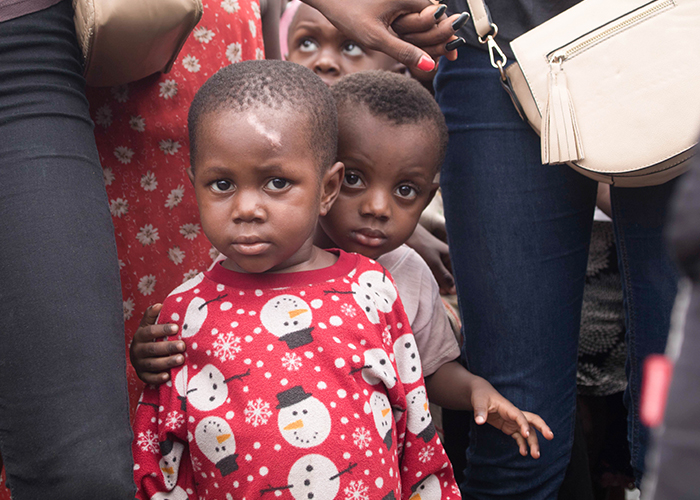
Millions Of Child Widows: Forgotten, Invisible, And Vulnerable
Child widowhood is a deeply troubling and often overlooked issue that affects millions of young girls around the world. These vulnerable individuals face a unique set of challenges stemming from the loss of their spouses at a tender age. In this article, we delve into the complex realities of child widows, shedding light on their experiences, vulnerabilities, and the urgent need for support and advocacy. The Plight of Child Widows Child widowhood refers to the situation where girls, typically under the age of 18, lose their husbands due to various reasons such as early marriage, conflict, or disease. This loss plunges them into a world of hardship, stigma, and marginalization. Many child widows are left without adequate support systems, education, or economic opportunities, making them extremely vulnerable to exploitation, abuse, and poverty. Forgotten and Invisible One of the most distressing aspects of child widowhood is the invisibility of these young girls within society. They often suffer in silence, hidden from public view and denied basic rights and protections. Cultural norms, discriminatory practices, and lack of awareness further compound their marginalization, leaving them isolated and voiceless. Vulnerabilities and Risks Child widows face a myriad of risks and vulnerabilities that jeopardize their well-being and future prospects. These include: Health Risks: Child widows may lack access to essential healthcare services, increasing their vulnerability to physical and mental health issues. Educational Barriers: The loss of a spouse at a young age often disrupts their education, limiting their opportunities for personal development and empowerment. Poverty and Exploitation: Many child widows live in impoverished conditions, making them susceptible to exploitation, child labor, and early marriage. Social Stigma: Widowed girls may face stigma, ostracism, and discrimination within their communities, leading to further isolation and psychological distress. Advocating for Change Addressing the plight of child widows requires concerted efforts at the local, national, and global levels. Advocacy initiatives, policy reforms, and community-based interventions can make a significant difference in improving the lives of these vulnerable girls. Key areas of focus include: Legal Protections: Enacting and enforcing laws that protect the rights of child widows, including provisions for education, healthcare, and social support. Education and Empowerment: Promoting access to quality education, vocational training, and life skills programs to empower child widows and enhance their prospects for a brighter future. Healthcare Services: Ensuring that child widows have access to essential healthcare services, including reproductive health care, mental health support, and nutrition programs. Social Support Networks: Establishing community-based support networks, shelters, and counseling services to provide emotional, social, and economic support to child widows and their families. The Role of Entrepreneurship and Innovation Entrepreneurship and innovation can also play a vital role in addressing the challenges faced by child widows. Initiatives that promote economic empowerment, entrepreneurship training, and microfinance opportunities can enable widowed girls to become self-reliant, build resilience, and break the cycle of poverty and marginalization. Conclusion: A Call to Action The plight of millions of child widows worldwide demands urgent attention, compassion, and action. As a global community, we must raise awareness, advocate for their rights, and provide comprehensive support to ensure that these young girls are not forgotten, invisible, or left behind. By investing in their education, health, and empowerment, we can create a more inclusive and equitable world where every child, regardless of their marital status, has the opportunity to thrive and fulfill their potential.
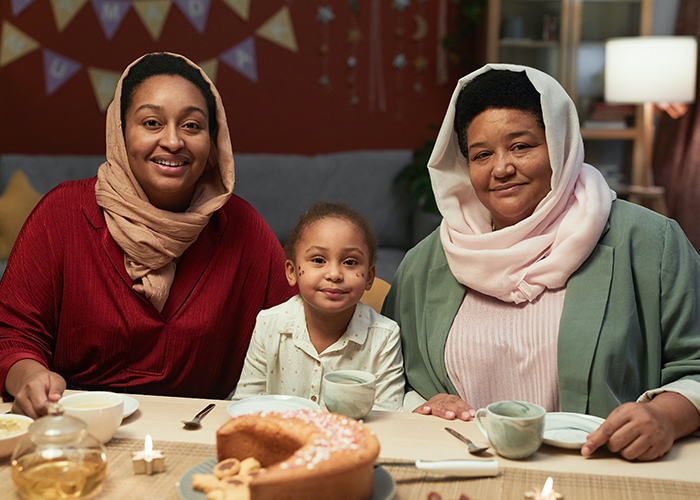
Emerge from the Shadows: Amplifying the Voices of Widows in the Modern Age
The experience of widowhood has undergone significant evolution over the centuries, yet the voices and stories of widows often remain in the shadows, unheard and underrepresented. In the modern age, as society progresses towards greater inclusivity and empathy, it is imperative to amplify the voices of widows, acknowledge their unique challenges, and celebrate their resilience. Historical Context and Stigma Throughout history, widows have faced various forms of stigma, discrimination, and social exclusion. In many cultures, widows were expected to adhere to restrictive mourning practices, often enduring prolonged periods of isolation and limited social interaction. The portrayal of widows in literature, folklore, and media further perpetuated stereotypes and misconceptions, depicting them as pitiable figures devoid of agency and autonomy. Changing Narratives and Empowerment Fortunately, societal attitudes towards widowhood have shifted in recent decades, albeit gradually. There is a growing recognition of the strength, resilience, and potential for empowerment among widows. Initiatives and advocacy efforts aimed at supporting widows’ rights, providing access to education, healthcare, and economic opportunities, have gained momentum on both local and global scales. Challenges Faced by Widows Today Despite these positive strides, widows continue to encounter numerous challenges in the modern age. Economic instability, legal hurdles, social stigma, and lack of support networks are among the persistent barriers they face. Additionally, cultural norms and gender inequalities in certain regions exacerbate the vulnerabilities of widowed women, leaving them marginalized and overlooked. Empowering Widows through Education and Advocacy Education and advocacy play pivotal roles in empowering widows and elevating their voices. By promoting education and skills development, widows can gain financial independence, enhance their self-esteem, and contribute meaningfully to their communities. Advocacy efforts focused on legal reforms, social protection programs, and awareness campaigns help dismantle systemic barriers and foster a more inclusive society. The Role of Technology and Connectivity In the digital age, technology serves as a powerful tool for amplifying the voices of widows. Social media platforms, online communities, and digital storytelling initiatives provide avenues for widows to share their experiences, connect with peers, and advocate for change on a global scale. Technology also facilitates access to information, resources, and support services, bridging geographical barriers and expanding opportunities for widows’ empowerment. Celebrating Resilience and Inspiring Change It is essential to celebrate the resilience, strength, and contributions of widows to society. Their stories of courage, determination, and resilience inspire us to challenge stereotypes, break down barriers, and create a more inclusive world where widows are valued, respected, and empowered to fulfill their potential. Conclusion As we navigate the complexities of the modern age, let us emerge from the shadows and stand in solidarity with widows worldwide. By amplifying their voices, advocating for their rights, and fostering a culture of inclusivity and empowerment, we can create a brighter and more equitable future for all. Widows are not just survivors; they are agents of change, embodying resilience, grace, and the enduring spirit of hope.
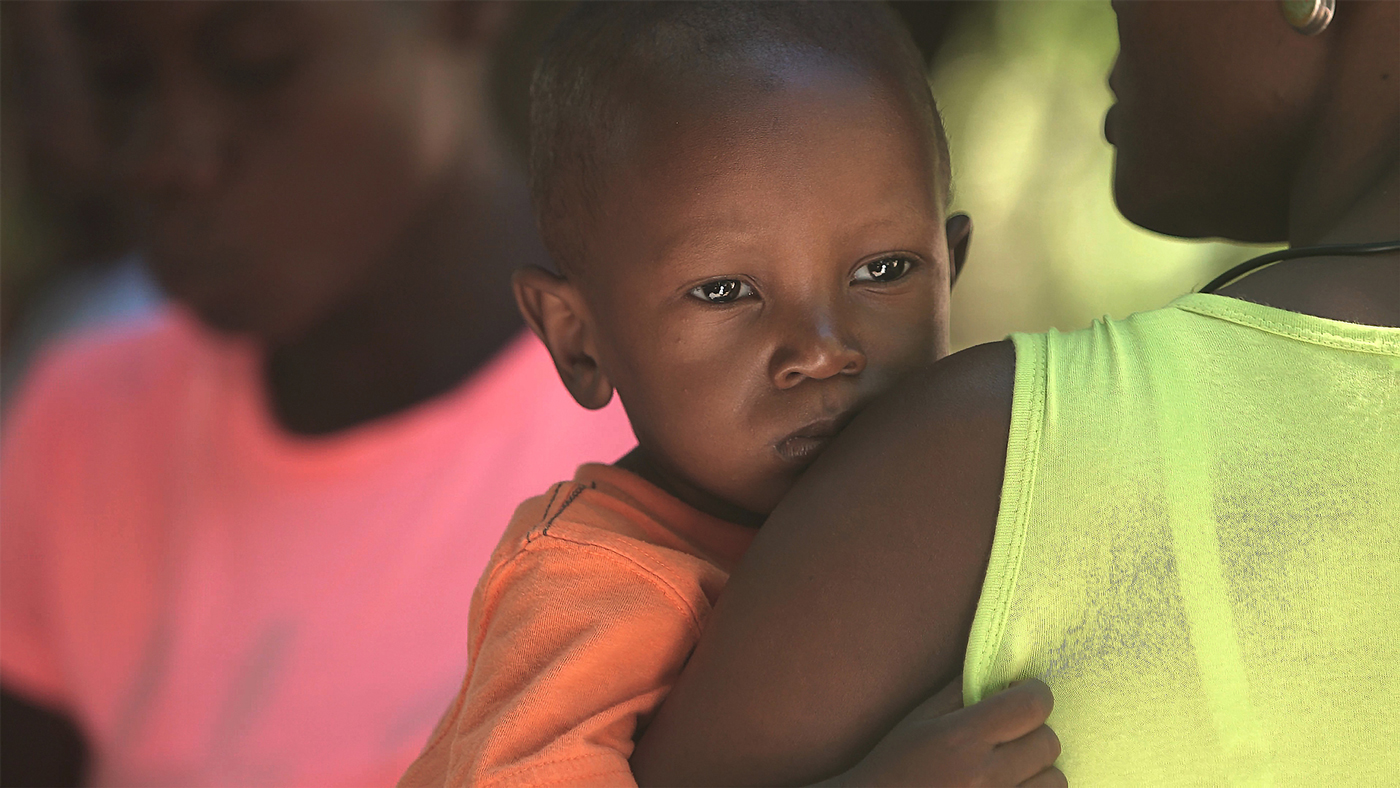
The Widowed Resilience Scale: Navigating Loss with Strength and Grace
Losing a spouse is one of life’s most profound and challenging experiences. It can leave individuals feeling lost, overwhelmed, and unsure of how to move forward. However, amidst the pain and sorrow, many widows and widowers demonstrate incredible resilience, finding ways to cope, adapt, and thrive despite their loss. In this blog, we delve into the concept of resilience among the widowed population and introduce the Widowed Resilience Scale—a tool designed to measure and understand the various aspects of resilience in this demographic. Understanding Resilience in Widowhood: Resilience can be defined as the ability to bounce back from adversity, navigate challenges, and maintain a sense of well-being despite difficult circumstances. In the context of widowhood, resilience takes on a unique dimension. It encompasses emotional, social, and psychological factors that influence how individuals cope with grief, rebuild their lives, and find new sources of meaning and purpose. The Widowed Resilience Scale: The Widowed Resilience Scale (WRS) is a comprehensive assessment tool that aims to capture the multifaceted nature of resilience among widows and widowers. Developed by experts in psychology and bereavement, the WRS comprises various domains and sub-scales that explore different aspects of resilience: Emotional Resilience: This dimension assesses how individuals manage and express their emotions related to grief, sadness, anger, and acceptance. Social Resilience: Examining the social support networks, relationships, and interactions that contribute to a widow’s sense of connectedness and belonging. Coping Strategies: Identifying the coping mechanisms and strategies employed by widows to deal with stress, anxiety, and depression post-loss. Self-Efficacy: Measuring the individual’s belief in their ability to navigate challenges, make decisions, and adapt to life changes effectively. Meaning-Making: Exploring the process of finding new meaning, purpose, and direction in life after the loss of a spouse. Using the WRS: The Widowed Resilience Scale is designed for both research and clinical purposes. Researchers can utilize the scale to gather valuable data on resilience factors among widowed individuals, contributing to a better understanding of grief and adaptation processes. Mental health professionals and counselors can integrate the WRS into their practice to assess clients’ resilience levels, tailor interventions, and support them in their journey of healing and growth. Benefits of the Widowed Resilience Scale: Comprehensive Assessment: The WRS offers a comprehensive assessment of resilience, covering multiple dimensions relevant to widowhood. Personalized Support: By understanding an individual’s resilience profile, professionals can tailor support services and interventions to meet their specific needs. Research Insights: Data gathered through the WRS can contribute to research studies, inform best practices, and enhance the field of bereavement care. Empowering Widows and Widowers: Using the WRS empowers individuals by recognizing their strengths, fostering self-awareness, and promoting a sense of agency in their healing journey. Conclusion: The Widowed Resilience Scale represents a significant advancement in understanding and supporting widows and widowers through their grief and recovery process. By acknowledging the complexity of resilience and providing a structured framework for assessment, the WRS encourages a holistic approach to bereavement care. It underscores the resilience, strength, and potential for growth that exist within individuals facing profound loss, offering hope and empowerment in the face of adversity.