
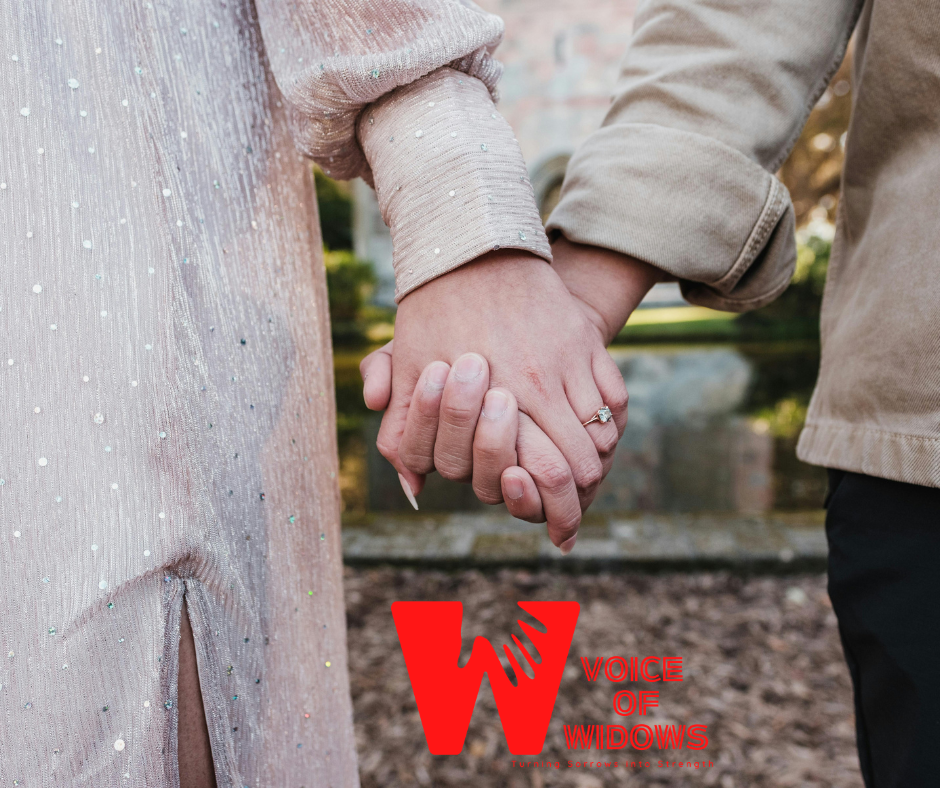
Marriage is not destroyed in one loud argument.It rarely ends in one dramatic betrayal. It weakens quietly. It fades in silence. It cracks when two people who once felt like home start feeling like strangers. At the center of every thriving marriage is one powerful, often ignored force: emotional safety. And the uncomfortable truth is this — without emotional safety, love cannot grow. It only survives on the surface. If you care about your marriage, your future, your family, this is not something to casually scroll past. This is something to pause and think about deeply. Because emotional safety is not optional.It is essential. What Is Emotional Safety in Marriage? Emotional safety in marriage means this: You can be fully yourself without fear. It means: You can express your feelings without being mocked. You can admit mistakes without being shamed. You can disagree without being threatened. You can be vulnerable without being attacked. Emotional safety is the confidence that your spouse will not use your weaknesses against you. It is the certainty that even in conflict, you are respected. Many couples think love alone is enough. It is not. Love without emotional safety turns into anxiety.Love without emotional safety turns into performance.Love without emotional safety becomes exhausting. Why Emotional Safety Matters More Than You Think You can have: Financial stability Physical attraction Social approval Beautiful wedding photos And still feel deeply alone inside your marriage. That loneliness often comes from one missing element: emotional security. When emotional safety is absent: Communication becomes defensive. Small issues turn into major fights. Vulnerability disappears. Resentment builds silently. Intimacy declines. Trust weakens. Eventually, one or both partners emotionally withdraw. And once emotional withdrawal becomes a habit, rebuilding connection becomes extremely difficult. This is why emotional safety is not a luxury topic. It is a survival topic. Signs Your Marriage Lacks Emotional Safety Be honest with yourself. Ask: Do I hesitate before sharing my true feelings? Am I afraid my partner will overreact? Do arguments often turn into personal attacks? Do I feel unheard or dismissed? Do I feel more peaceful alone than with my spouse? Do I hide parts of myself to avoid conflict? If you answered yes to several of these, emotional safety may already be compromised. Ignoring it will not fix it. Time does not heal emotional damage.Intentional effort does. What Emotional Safety Looks Like in a Healthy Marriage In emotionally safe marriages: Disagreements are handled with respect. Apologies are genuine, not forced. Listening happens without interruption. Feelings are validated, even when opinions differ. Boundaries are honored. Criticism focuses on behavior, not character. Partners feel secure enough to say: “I was wrong.”“I am struggling.”“I need help.”“I felt hurt.” And they know those words will not be weaponized later. That is real security.That is real partnership. The Emotional Cost of Unsafe Marriages When emotional safety disappears, people begin to: Shut down emotionally Seek validation elsewhere Avoid deep conversations Stay silent to keep peace Develop anxiety around their spouse Over time, this creates emotional distance. And emotional distance is more dangerous than conflict. Conflict means there is still engagement.Silence often means the connection is dying. If you feel your marriage becoming emotionally cold, do not minimize it. Cold marriages rarely warm themselves without effort. How to Build Emotional Safety in Marriage This is where responsibility begins. If you want emotional safety in your marriage, action is required. 1. Stop weaponizing vulnerability If your partner shares something personal, never use it later during an argument. Once vulnerability is punished, it rarely returns. 2. Practice regulated communication Avoid: Name-calling Bringing up past mistakes repeatedly Mocking Sarcasm during serious conversations Words do not disappear. They imprint. 3. Validate before you defend Instead of immediately arguing your point, try: “I understand why you feel that way.” Validation does not mean agreement.It means acknowledgment. 4. Apologize without ego A real apology sounds like: “I hurt you. That was wrong. I will work on it.” Not: “I am sorry you felt that way.” One builds safety.The other builds distance. 5. Protect private conversations Do not expose your partner’s weaknesses to friends or family. Marriage needs confidentiality to feel secure. Emotional Safety and Intimacy: The Direct Connection Physical intimacy thrives in emotional security. When a spouse feels emotionally attacked, criticized, or dismissed, desire naturally decreases. You cannot expect closeness when someone feels emotionally unsafe. Emotional connection fuels: Trust Physical affection Open communication Long-term commitment Without safety, intimacy becomes mechanical or disappears entirely. Why This Conversation Is Urgent Divorce does not begin in court.It begins in emotional neglect. Many marriages end not because of dramatic betrayal, but because emotional safety slowly eroded. People grow tired of walking on eggshells.They grow tired of not being heard.They grow tired of feeling alone in a relationship. If you recognize even small cracks in emotional safety, do not delay repair. Waiting makes rebuilding harder. The earlier you act, the stronger your foundation can become. A Hard Question to Reflect On Ask yourself honestly: Does my spouse feel emotionally safe with me? Not:Do I provide financially?Do I stay loyal?Do I fulfill responsibilities? But: Do they feel safe expressing pain?Do they feel safe disagreeing?Do they feel safe being imperfect? If the answer is uncertain, that is your starting point. Marriage Is Not About Winning Arguments It is about protecting connection. You can win every argument and still lose your marriage. You can prove every point and still destroy emotional safety. Real strength in marriage is not dominance.It is emotional maturity. And emotional maturity builds emotional safety. Final Reflection: Does Emotional Safety Really Matter? Yes. It determines: Whether love grows or fades Whether communication heals or harms Whether intimacy deepens or disappears Whether two people feel like partners or opponents Emotional safety is not dramatic.It is not flashy.It is not visible in wedding photos. But it is the silent force that determines whether your marriage survives pressure, conflict, and time. Do not wait for crisis. Start building emotional safety today. Listen better.Speak kinder.Apologize faster.Protect vulnerability. Because once emotional
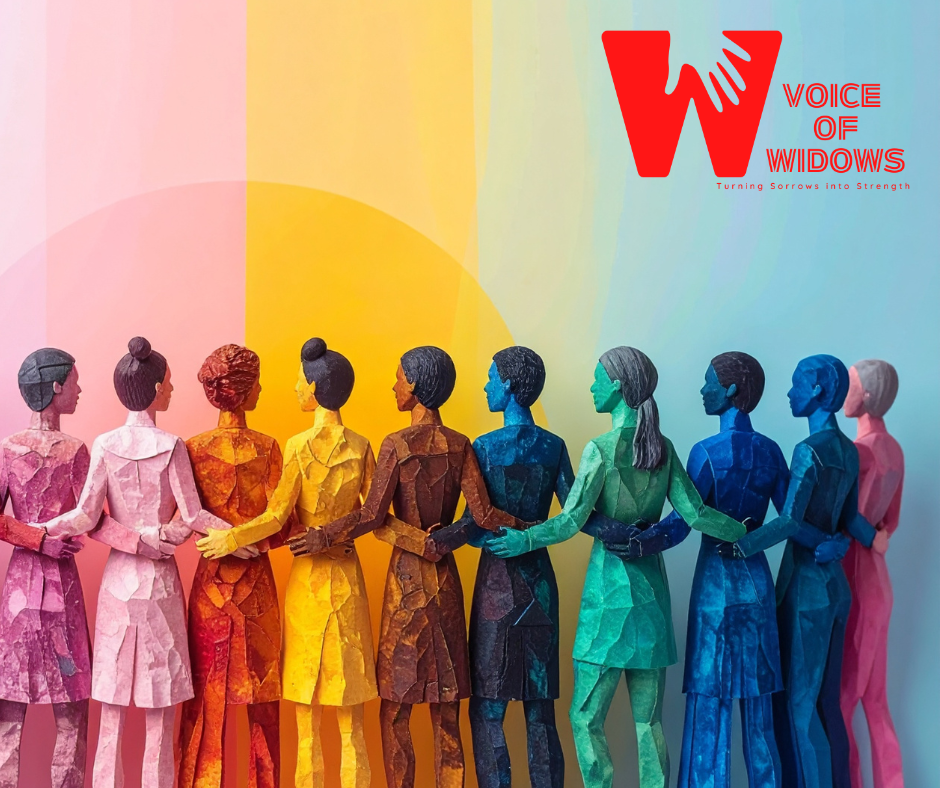
From Silence to Strength: How Women Achieved Equality and Why the Fight Still Demands Action
How did women achieve equality?Women achieved equality through centuries of resistance, sacrifice, courage, organized movements, legal battles, education, economic participation, and relentless voices that refused to stay silent. Equality was not handed over. It was demanded. It was fought for. It was earned. But equality is not a finished story. It is still being written. This article explores how women achieved equality, the movements that changed history, the global impact of those struggles, and why the responsibility now belongs to this generation. The Long Road From Exclusion to Empowerment For centuries, women across the world were denied fundamental rights. They were excluded from voting, owning property, accessing higher education, leading businesses, and participating in politics. In many societies, their identities were legally tied to fathers or husbands. The idea of gender equality did not begin with modern campaigns. It began in quiet resistance — women educating themselves in secret, leading revolutions behind the scenes, organizing communities, and challenging unfair systems. Real change started when voices became movements. The Rise of the Women’s Suffrage Movement One of the most defining milestones in women’s equality was the women’s suffrage movement. In countries like the United States, the United Kingdom, and New Zealand, women organized massive campaigns demanding the right to vote. The ratification of the 19th Amendment in 1920 in the United States granted women the right to vote. In 1893, New Zealand became the first self-governing country to allow women to vote in national elections. These victories were not peaceful gifts. Women were arrested. Mocked. Imprisoned. Some were force-fed during hunger strikes. Yet they continued. The right to vote was not just about ballots. It was about recognition. It was about being seen as full citizens. Education: The Foundation of Equality Education became the most powerful weapon in achieving gender equality. When women gained access to schools and universities, everything changed. Educated women entered professions previously closed to them — law, medicine, science, journalism, business leadership. Knowledge dismantled stereotypes that claimed women were intellectually inferior. Today, in many parts of the world, women outperform men academically. Yet in some regions, girls still struggle for access to basic education. This proves equality requires constant vigilance. When you educate a woman, you elevate a generation. Workplace Rights and Economic Independence Economic independence was another turning point. During world wars, women filled industrial jobs while men were deployed. They proved competence beyond traditional domestic roles. Later movements demanded equal pay for equal work, maternity protections, anti-discrimination laws, and workplace safety reforms. The feminist movements of the 1960s and 1970s amplified demands for equal employment opportunities and reproductive rights. Policies began to shift. Laws began to protect. Yet today, the global gender pay gap still exists. Leadership representation remains unequal. Equality in law does not always mean equality in practice. Global Human Rights and International Recognition The global conversation around women’s equality intensified in the 20th century. Organizations like United Nations formally recognized women’s rights as human rights. The Convention on the Elimination of All Forms of Discrimination Against Women (CEDAW), adopted in 1979, became an international bill of rights for women. International Women’s Day, celebrated every March 8, became a global reminder that equality is a collective mission, not a regional issue. Women’s equality moved from being a “women’s issue” to a human development priority. How Social Movements Changed Culture In recent decades, digital activism accelerated change. Movements such as #MeToo exposed systemic abuse and demanded accountability across industries. Social media gave ordinary women extraordinary power. Stories that once remained hidden became global headlines. Culture shifted. Conversations about consent, workplace harassment, representation, and inclusion became mainstream. Equality was no longer whispered. It was trending. Key Factors That Helped Women Achieve Equality To answer clearly and directly: Women achieved equality through: Organized social movements and activism Legal reforms and constitutional amendments Access to education and literacy Economic participation and entrepreneurship Political representation and voting rights International human rights frameworks Media visibility and digital advocacy Collective solidarity across generations Each factor built on the other. Equality was never a single event. It was a chain reaction of courage. Is Equality Fully Achieved Today? This is the urgent question. In many countries, women lead corporations, governments, and global institutions. Female presidents, prime ministers, scientists, athletes, and entrepreneurs are reshaping leadership models. Yet: Gender pay gaps persist Violence against women remains widespread Representation in top political offices is still limited Access to education and healthcare remains unequal in many regions Equality has advanced, but it is not universal. The fight is not over. Why This Generation Must Care You are living in the results of someone else’s sacrifice. The rights women enjoy today — voting, working, studying, owning property, speaking freely — were paid for by generations who endured humiliation, imprisonment, and discrimination. Progress can move forward. But it can also move backward. History proves one thing: rights unprotected can be rights undone. Gender equality is not just about women. It is about economic growth, social stability, innovation, and justice. Countries with higher gender equality show stronger economic performance and better social outcomes. This is not only a moral issue. It is a development issue. What Action Looks Like Today If you are asking, “What can I do?” — here is the answer: Support equal pay policies Encourage girls’ education Challenge gender stereotypes in daily conversations Promote women into leadership roles Advocate for safe workplaces Vote for policies that protect human rights Teach the next generation about equality Equality grows where awareness lives. The Emotional Truth Behind every law passed was a woman who refused silence.Behind every right gained was a story of resistance.Behind every opportunity today stands a legacy of courage. Equality was not achieved in comfort. It was achieved in confrontation. And the question is no longer how women achieved equality. The question now is:Will we protect it?Will we expand it?Will we defend it when it is challenged? History is watching.

From Loss to Leadership: Voice of Widows and The Furniture Times Unite to Redefine CSR with Purpose, Power, and Lasting Impact
Some partnerships are strategic. Some are symbolic. And then there are partnerships that change lives.The collaboration between Voice of Widows – Turning Sorrows into Strength and The Furniture Times belongs to the rare third category. This is not just a Corporate Social Responsibility feature. This is a public commitment to humanity, dignity, and long-term empowerment. It is a declaration that business influence, when guided by conscience, can rewrite destinies. Voice of Widows is not a campaign. It is not charity. It is a movement born from pain and rebuilt through purpose.Across societies, widows are often left behind in silence, burdened not only by grief but by social neglect, economic vulnerability, and invisibility. Voice of Widows exists to confront that reality head-on. It transforms loss into leadership by creating pathways where widows are not pitied, but empowered. Where they are not dependent, but independent. Where their identity is not defined by what they lost, but by what they can build. The Furniture Times, as a leading voice in industry and innovation, choosing to feature Voice of Widows as a CSR partner is both powerful and timely.It sends a clear message that responsibility does not end at profit margins. It begins with people. By amplifying this initiative, The Furniture Times has used its platform not just to inform, but to inspire action, awareness, and accountability across industries. At the heart of Voice of Widows is a simple but radical belief: empowerment begins with opportunity, not sympathy.Rather than offering short-term relief, the initiative focuses on sustainable change. Through structured skill development programs, vocational training, entrepreneurship guidance, and livelihood creation, widows are equipped to rebuild their lives with confidence and economic stability. This approach ensures dignity is preserved, self-worth is restored, and futures are secured. Training without mentorship fails. Support without access collapses. Voice of Widows understands this deeply.That is why the initiative integrates mentorship, market exposure, and income-generating pathways into its model. Women are not only trained but guided. Not only supported but trusted. This ecosystem enables widows to transition from survival to self-reliance, from uncertainty to ownership. What makes this initiative exceptional is its refusal to let silence continue.Voice of Widows creates space for unheard voices to be acknowledged. It restores agency where society has imposed limitations. It nurtures resilience where vulnerability once lived. This is empowerment that is practical, emotional, and transformative. The Furniture Times featuring this initiative is more than recognition. It is reinforcement.It reinforces the idea that media platforms have moral power. That industries can influence social narratives. That CSR, when done right, is not about optics but outcomes. This collaboration stands as an example to brands, corporations, and institutions that real impact comes from aligning visibility with values. The urgency of this work cannot be overstated.Every day, countless widows face economic hardship, social exclusion, and limited opportunities. Delaying action means delaying dignity. Ignoring the issue means enabling inequality. Voice of Widows responds to this urgency with structure, vision, and measurable impact, proving that transformation is possible when intention meets execution. This partnership is a thank you, but it is also a call to action.A call to businesses to rethink CSR as a responsibility, not a requirement. A call to leaders to invest in long-term empowerment, not temporary solutions. A call to society to listen, support, and stand beside women who are ready to rise, if only given the chance. Voice of Widows is turning sorrows into strength. The Furniture Times has chosen to amplify that strength. Together, they are shaping a future where loss does not define a woman’s destiny, and empowerment is not an exception, but a standard. This is how change looks when purpose leads. This is how voices become movements. This is how responsibility becomes legacy.