
Life is not always kind. There are moments when the weight of responsibilities feels unbearable. There are days when dreams collapse, relationships break apart, opportunities disappear, and uncertainty clouds every path ahead. In these moments, many people begin to question their purpose, their strength, and even their future. Yet amid the darkness, there is one force that continues to shine. Hope. Hope is not merely a feeling. It is not wishful thinking or blind optimism. Hope is the quiet determination that whispers, “Keep going,” when everything around you says otherwise. Throughout history, humanity has survived wars, economic crises, personal tragedies, illnesses, and unimaginable hardships because hope continued to exist. It became the bridge between suffering and healing, between failure and success, between despair and renewal. Why Hope Matters More Than Ever Modern life moves at an exhausting pace. Social pressures, financial worries, career uncertainty, health concerns, family responsibilities, and emotional struggles affect millions of people daily. Many individuals feel trapped in situations they never expected. They compare themselves to others and wonder why success seems easier for everyone else. The truth is that every successful person has faced moments when they wanted to quit. The difference is that they chose hope over surrender. Hope provides the emotional fuel that keeps people moving forward when results are not immediate. It allows individuals to see possibilities beyond current circumstances. Without hope, challenges become permanent prisons. With hope, challenges become temporary chapters. The Reality of Life’s Struggles Every human being experiences struggle. Some struggle financially. Some struggle emotionally. Some struggle physically. Others struggle spiritually. Pain does not discriminate based on age, status, education, wealth, or background. Life can change overnight. A job can disappear. A relationship can end. A diagnosis can arrive unexpectedly. A dream can fail despite years of effort. These moments often leave people asking difficult questions. Why is this happening? Will things ever improve? Can I survive this? The answer is yes. Not because the journey will be easy, but because human beings possess extraordinary resilience when they choose to hold onto hope. Hope Is Strongest When Circumstances Are Weakest It is easy to feel hopeful when everything is going well. The real test comes during adversity. Hope becomes meaningful when outcomes are uncertain. Anyone can believe when success is guaranteed. The strongest hope emerges when nothing appears to be working. It is the student who continues studying after repeated failures. It is the entrepreneur who builds again after losing a business. It is the patient who continues fighting despite difficult treatments. It is the parent who sacrifices endlessly for their family despite overwhelming challenges. These individuals demonstrate a powerful truth: Hope is not the absence of struggle. Hope is the decision to keep moving despite struggle. Small Steps Create Extraordinary Transformations Many people wait for dramatic breakthroughs. However, lasting transformation usually begins with small decisions. One more attempt. One more application. One more conversation. One more prayer. One more day. The greatest achievements in history were built through consistent progress rather than instant success. Every step forward matters. Every effort counts. Every moment of persistence builds momentum toward a brighter future. Hope teaches us that progress does not have to be perfect to be meaningful. Finding Light During Difficult Seasons When facing hardship, people often focus exclusively on what is missing. Hope encourages a different perspective. Instead of focusing on loss, hope searches for opportunity. Instead of dwelling on failure, hope seeks lessons. Instead of surrendering to fear, hope chooses courage. This shift does not ignore reality. Rather, it empowers individuals to face reality while believing that better outcomes remain possible. The future is rarely determined by today’s circumstances. Many of life’s greatest success stories began during periods that appeared hopeless. The Connection Between Hope and Faith For many people, faith strengthens hope. Faith provides confidence that struggles have purpose, even when the reasons are not immediately visible. Faith reminds us that seasons change. Storms pass. Pain heals. Doors open. Opportunities emerge. The combination of hope and faith creates extraordinary resilience. Together, they enable people to endure challenges that might otherwise seem impossible. Why Giving Up Is Often the Greatest Mistake Many people quit just before their breakthrough. They stop pursuing goals because results are delayed. They abandon dreams because obstacles appear overwhelming. They surrender because progress feels invisible. Yet success often arrives after periods of uncertainty. Growth frequently occurs beneath the surface long before visible results appear. Just because progress cannot be seen does not mean progress is not happening. The seed grows underground before it breaks through the soil. Likewise, personal growth often occurs long before external success becomes visible. Building a Life Anchored in Hope Hope can be strengthened intentionally. Surround yourself with positive influences. Spend time with people who inspire growth. Focus on solutions rather than obstacles. Celebrate small victories. Practice gratitude. Maintain faith during uncertainty. Most importantly, remember that every difficult chapter eventually ends. No storm lasts forever. No darkness remains permanent. No struggle defines an entire life story. Forever Hope: A Message for Anyone Who Feels Lost Today If you are facing difficulties right now, remember this: Your current situation is not your final destination. The challenges you face today are not permanent. Your setbacks do not determine your future. Your failures do not define your worth. Your struggles do not erase your potential. There is still hope. There is still purpose. There is still possibility. And there is still time to create a better tomorrow. Keep believing. Keep growing. Keep moving forward. Because hope has changed countless lives before, and it can transform yours as well. The future belongs to those who refuse to surrender when circumstances become difficult. Hold onto hope. Protect it. Nurture it. Live by it. Because sometimes hope is the very thing that carries us through life’s darkest moments until we finally reach the light waiting ahead. Forever hope is not simply a phrase. It is a way of living. It is a choice. And it may
The Silent Storm No One Sees: 17 Powerful Feelings Every Widow Experiences And Why Healing Takes More Courage Than People Realize
A woman can prepare for many challenges in life, but few experiences compare to the emotional earthquake of losing a life partner. Widowhood is not simply about losing a husband; it is about losing a companion, a confidant, a future, shared dreams, daily routines, and a part of one’s identity. Behind every widow is a story that often remains untold. While friends and family may offer support during the first few weeks, many widows continue fighting silent battles long after the condolences stop arriving. Society often expects healing to happen quickly, yet grief follows no calendar. The emotional journey of widowhood is complex, unpredictable, and deeply personal. Some days bring strength and hope. Other days bring overwhelming sadness and uncertainty. Understanding these emotions can help widows feel less alone and help others provide meaningful support. Understanding the emotional reality of widowhood Grief is not a straight line. It moves in waves. A widow may feel acceptance one day and intense sorrow the next. These emotional shifts are normal and reflect the profound impact of losing a spouse. Below are seventeen powerful feelings many widows experience during their journey. 1. Shock The initial loss often feels unreal. Even when a spouse has been ill for a long time, the reality of death can be difficult to comprehend. Many widows describe feeling numb, disconnected, or unable to process what has happened. The mind struggles to accept a life-changing reality overnight. 2. Deep sadness Sadness becomes a constant companion during the early stages of widowhood. Simple moments can trigger tears—a favorite song, a familiar scent, an empty chair at dinner, or a photograph from happier times. This sadness reflects the depth of love that existed. 3. Loneliness One of the most painful aspects of widowhood is loneliness. The absence of daily conversations, shared routines, and companionship creates a silence that many find overwhelming. Even when surrounded by people, a widow may feel profoundly alone. 4. Fear of the future The future suddenly becomes uncertain. Questions begin to emerge: How will I manage financially? Who will support me emotionally? Can I handle life’s responsibilities alone? Fear often accompanies major life transitions, and widowhood is among the most significant. 5. Anger Many widows experience anger. They may feel angry about the illness, circumstances, medical challenges, or simply the unfairness of losing someone they love. Anger is a natural response to profound loss. 6. Guilt Guilt frequently appears during grief. Widows may replay conversations, decisions, or moments from the past, wondering if they could have done something differently. Many carry burdens that were never theirs to carry. 7. Confusion Widowhood often creates emotional and mental confusion. The brain is processing intense stress while trying to adjust to a completely different reality. Simple decisions can suddenly feel difficult. 8. Anxiety Many widows experience heightened anxiety. The uncertainty of life after loss can lead to constant worry about finances, health, family responsibilities, and future stability. Anxiety is often a reflection of the significant changes taking place. 9. Emotional exhaustion Grieving requires enormous emotional energy. Widows often report feeling physically and mentally drained, even when they have done very little during the day. Healing itself can be exhausting work. 10. Isolation Many widows feel disconnected from others. Friends may not understand their pain. Social invitations may decrease. Conversations can feel awkward. This sense of isolation can deepen grief if left unaddressed. 11. Loss of identity Many women have spent years or decades as wives. When a spouse dies, questions about identity often arise. Who am I now? What does my future look like? What role do I play in the world? Rediscovering oneself becomes an important part of healing. 12. Regret Widows may regret missed opportunities, unfinished conversations, or plans that never became reality. These feelings can linger for years if not acknowledged and processed. 13. Jealousy This emotion is rarely discussed but is surprisingly common. Seeing happy couples together can trigger feelings of envy or sadness. This reaction does not make a widow selfish; it reflects the longing for what has been lost. 14. Hope Amid the pain, hope eventually begins to emerge. Small moments of joy, meaningful friendships, personal growth, and new opportunities can slowly remind widows that life still holds possibilities. Hope often arrives quietly. 15. Strength Many widows discover resilience they never knew they possessed. Managing households, finances, family responsibilities, and personal healing reveals an inner strength that often surprises them. Strength is not the absence of pain; it is moving forward despite it. 16. Gratitude Over time, gratitude can coexist with grief. Many widows begin appreciating the memories, lessons, and years shared with their spouse. The pain of loss remains, but appreciation for the love experienced becomes stronger. 17. Acceptance Acceptance does not mean forgetting. It means acknowledging reality while continuing to live meaningfully. A widow learns that she can carry love and loss together. Acceptance represents a new chapter rather than an ending. Why understanding widowhood matters Millions of women around the world navigate widowhood every year. Yet many continue suffering in silence because society often misunderstands grief. People may encourage widows to “move on” before they are ready. Others may avoid discussing the loss altogether. Both responses can leave widows feeling unheard and unsupported. Understanding these emotions creates compassion. It reminds us that healing takes time and that every widow’s journey is unique. How widows can begin rebuilding their lives While grief never completely disappears, many widows find ways to move forward with purpose and hope. Some helpful steps include: Seeking emotional support from trusted friends and family. Joining widow support groups. Practicing self-care and self-compassion. Creating healthy daily routines. Pursuing new interests and personal goals. Allowing themselves permission to heal at their own pace. Honoring memories while embracing future possibilities. The goal is not to forget the person who was lost. The goal is to learn how to carry that love into the next chapter of life. The hidden truth about widowhood The strongest widows are not those who never

The Power of Letting Go of Resentment: Free Yourself to Heal, Grow, and Live Fully
Resentment is a silent poison. It grows slowly, hidden beneath layers of pride, ego, and pain. We hold on to grudges believing they protect us, but in truth, they only imprison us. Letting go of resentment is not a sign of weakness—it is the ultimate act of emotional strength, self-respect, and freedom. When we replay the same painful memories over and over, our mind relives the hurt. It drains our energy, steals our peace, and prevents us from moving forward. The more we cling to resentment, the more we anchor ourselves to the past, making it impossible to embrace the opportunities of the present moment. The Hidden Cost of Resentment Resentment impacts not just our emotions but our physical health, relationships, and productivity. Chronic anger raises blood pressure, triggers anxiety, weakens the immune system, and clouds our judgment. It distances us from the people we love and limits our ability to trust again. You cannot build a bright future while clinging to the darkness of yesterday. The weight of resentment pulls you backward, keeping you from living with purpose, peace, and clarity. To move forward, you must make the brave choice to forgive—not because they deserve it, but because you deserve freedom. Letting Go is a Process, Not an Event Forgiveness doesn’t happen overnight. It’s a process of understanding, acceptance, and release. Start by acknowledging the hurt. Don’t suppress it. Feel it, understand it, and then decide that your peace matters more than your pain. Ask yourself: “What am I gaining by holding on?” If the answer is nothing but bitterness and isolation, it’s time to let go. Meditation, journaling, therapy, and spiritual reflection can guide this journey. Replace resentment with compassion—not for others, but for yourself. Every time you release anger, you reclaim power over your emotions and your life. The Liberation That Comes With Forgiveness When you forgive, you create space for healing. You allow love, joy, and gratitude to take root where bitterness once lived. You rediscover yourself beyond the pain. You begin to see life through a clearer lens—one defined by strength, not scars. Letting go of resentment is an act of courage. It takes courage to stop blaming and start rebuilding, to stop hurting and start healing. But once you do, you will feel lighter, freer, and more in control of your destiny. Take Action Now Don’t wait for an apology that may never come. Don’t wait for time to erase the pain. Choose today to let go. Make it a conscious decision to protect your peace, nurture your soul, and step boldly into your future. Your healing begins the moment you decide to release resentment and embrace forgiveness. This is your opportunity to live fully, love deeply, and lead a life free from the shadows of the past. Because true strength is not in holding on—it’s in letting go.

Dancing with Life in a Time of Global Crisis: Reclaiming Hope, Resilience, and Purpose in an Uncertain World
In a world shaken by wars, pandemics, economic collapses, and environmental disasters, it’s easy to feel like we are merely surviving rather than living. The rhythm of life has changed. We’ve gone from dancing freely to marching in fear — fear of tomorrow, fear of loss, fear of the unknown. But what if this crisis is not just chaos? What if it is an invitation — an urgent call — to dance again, not despite the storms, but through them? This is not just an emotional plea — it’s a call to reclaim your resilience, to find joy amidst pain, and to reconnect with what truly matters. The Dance of Life Isn’t Always Choreographed Life was never meant to be perfectly timed, measured, or controlled. And yet, for years, we were taught to chase routines, achievements, deadlines. Then suddenly, everything shifted. The structures we relied on collapsed — jobs were lost, relationships tested, futures blurred. But amid this disarray, a powerful truth emerged: we are not powerless. Life’s unpredictability is not a punishment — it’s a teacher. It strips away the superficial and brings us face-to-face with what’s real: love, breath, purpose, community, and spirit. From Collapse to Clarity: What Global Challenges Are Teaching Us This generation is not just facing a crisis — we are part of a historical transformation. Whether it’s climate change, inflation, AI disruptions, or mental health epidemics — these aren’t isolated issues. They are global wake-up calls. We’re being challenged to redefine success, to move from individualism to collective care, from consumption to contribution. It’s no longer about having more — it’s about being more. We must ask better questions: What values will I live by? How can I show up for others? What legacy will I leave behind? You Were Born for This Moment Yes — you. You were not meant to shrink in the face of adversity, but to rise within it. You are not a victim of this era; you are a vital participant in it. The world doesn’t need more silence, scrolling, or spectators. It needs awakened souls who are ready to dance again, to lead, to innovate, to heal, to dream out loud. You don’t need a perfect plan. You need courage to take the first step. Now Is the Time to Dance — Not Tomorrow There is no perfect moment to reclaim your life. No “after the crisis” or “when things settle.” This is it. This very moment is your music. Start that business you’ve been dreaming about. Reach out to that friend you’ve lost touch with. Learn the skill you keep putting off. Speak your truth. Heal. Cry. Laugh. Move. Dance with life — even when the rhythm falters. Because that’s where transformation lives. Let This Be Your Turning Point If you’ve been waiting for permission, this is it. If you’ve been doubting your strength, remember — resilience lives inside you. Always has. If you’ve been lost, it’s time to return — not to the old normal, but to your authentic self. Stand up. Shake off the fear. And take the step. The music is still playing. You still have time to dance — for yourself, for your family, for your future. Final Thought Hope is not a luxury — it’s a responsibility. When we dance with life during hard times, we give others permission to do the same. Let this be your act of rebellion, of courage, of power. The world may be in crisis. But you — you are in motion. You are rising. You are leading. You are dancing.
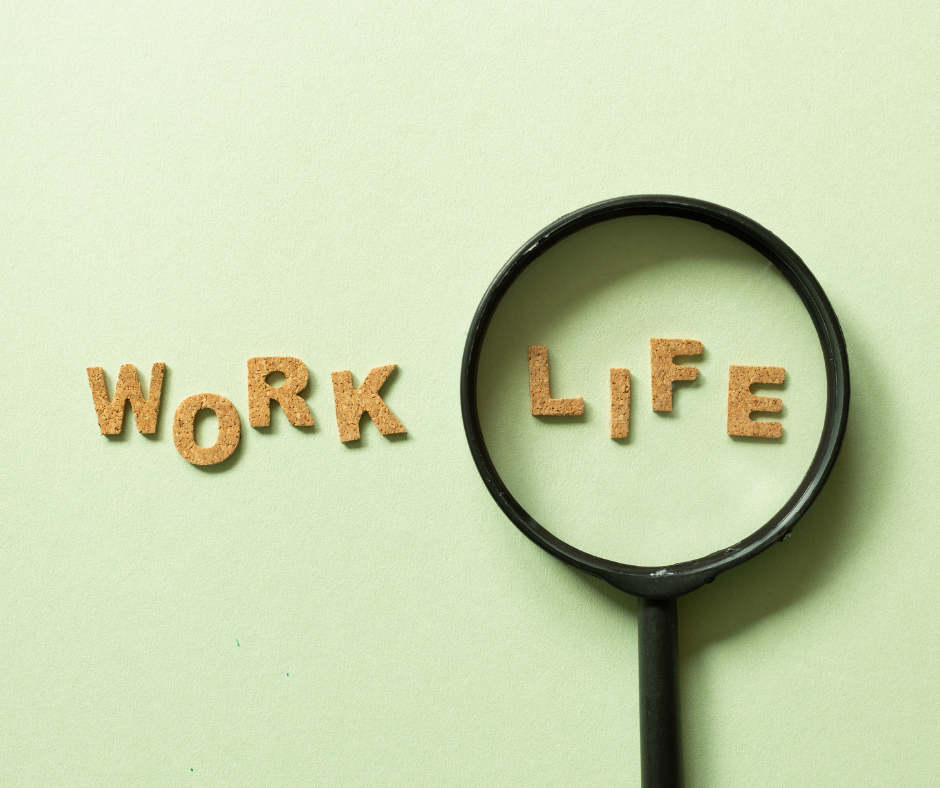
Balancing Act: Managing Family Stress Alongside Work Challenges
The Silent Struggle No One Talks About In the whirlwind of life, between deadlines, meetings, emails, school runs, doctor appointments, and emotional breakdowns, something crucial gets lost: you. Modern professionals aren’t just working harder; they’re living two full-time lives. One at work. One at home. The real challenge? Managing the emotional collision between the two. This is the unspoken burden carried by millions—juggling workplace pressure while navigating family stress. And here’s the raw truth: most people are silently drowning. If you’re reading this, chances are you’ve felt that strain too. You’ve asked:“How do I stay strong for my family when I’m breaking at work?”“How do I focus on my job when things are falling apart at home?” This article is your wake-up call. It’s time to address the emotional, professional, and human reality of this balancing act—and why we must act urgently to protect our well-being, our families, and our futures. Why This Balance Is Breaking Us Let’s be honest. The glorification of “hustle” has created a crisis of identity and purpose. You’re expected to be the perfect employee, the perfect parent, the perfect partner—and smile while you’re at it.But behind that smile, anxiety brews. Burnout builds. Relationships suffer. Children notice. Partners feel neglected. And still, you tell yourself: “I’m fine. This is just how life is.” No, it’s not.This isn’t balance. It’s burnout. And it’s time to reclaim your peace, your power, and your priorities. The True Cost of Ignoring Family Stress While Managing Work Pressures Let’s break it down—because this is no longer just about productivity.It’s about survival, legacy, and well-being. Ignoring family stress leads to: Disconnected relationships with children and partners Increased anxiety, depression, and emotional fatigue Lower performance and focus at work Poor decision-making Long-term health consequences Work doesn’t happen in a vacuum. And neither does family.If one suffers, the other eventually collapses too. Reclaiming the Balance: It Starts with Awareness and Action This isn’t about perfection—it’s about progress, protection, and purpose. You don’t need another motivational quote. You need real strategies. Human strategies. Urgent strategies. Here’s how to take control before life takes over. 1. Acknowledge the Dual Pressure—Without Shame The first step toward reclaiming balance is acknowledging the truth:You are under pressure from both ends. And that’s okay.Shame is a silencer. It convinces you to keep your struggles hidden. But growth begins with awareness. Speak about it. Accept it. Share it with those you trust. 2. Build Boundaries Like Your Life Depends on It—Because It Does Work-life balance is not about hours—it’s about emotional presence.If you’re physically with your family but mentally still on Slack or in that Zoom meeting, you’re not really present. Set hard boundaries: No work emails after 7 PM Family dinners with phones away Breaks during the day to reconnect with your loved ones Boundaries are not a weakness—they’re a strength that protects what matters. 3. Prioritize Family Conversations You talk to your team every day, don’t you? You check in, give feedback, collaborate.Why not do the same with your family? Set up weekly family meetings. Ask what your kids are feeling. Share your work stress with your partner, not as a burden but as a connection point. Communication is the bridge between the chaos of work and the comfort of home. Build that bridge often. 4. Redefine Success Before It’s Too Late What is success, really? A bigger title? A raise? A new deal?Or is it having dinner with your child who missed you all day?Is it being emotionally available when your partner needs you? Redefine success. Make it more human. More sustainable. More soul-aligned. Because at the end of it all, your loved ones won’t remember your LinkedIn endorsements.They’ll remember if you were there when it mattered. 5. Seek Help—You Weren’t Meant to Do It All Alone There is strength in asking for help.Therapists. Coaches. Support groups. Trusted friends. Even leadership mentors who understand this dual pressure. You don’t have to carry this alone. And you shouldn’t. Reaching out for help isn’t an admission of failure—it’s a declaration of self-respect. Why the Time to Act Is Now Every moment you delay reclaiming balance, the price gets higher.Your health.Your marriage.Your mental peace.Your legacy as a parent and partner. The balance doesn’t find itself.It is created—intentionally, urgently, and unapologetically. This is not just about managing your life—it’s about protecting the very essence of who you are. Take the First Step Today Here’s what you can do right now: Write down three things causing stress at work and at home. Identify which one you can take action on in the next 24 hours. Set a firm boundary for the next 7 days—test it, respect it, and reflect on how it feels. Have one meaningful conversation with a loved one tonight. Do not wait for a breakdown to learn the importance of balance.Start now. Start today. Protect what matters. Your family needs you. Your career deserves you. But above all, you need you.Balance is not a myth. It’s a commitment. One decision at a time.Choose wisely. Choose now.